Si está pensando en montar una instalación de producción de acero, actualizar una planta existente, o invertir en equipos de laminación, esta guía lo guiará a través de todo lo que necesita saber, desde principios básicos hasta opciones clave de equipos y consideraciones de planificación de proyectos..
¿Qué es un laminador de acero??
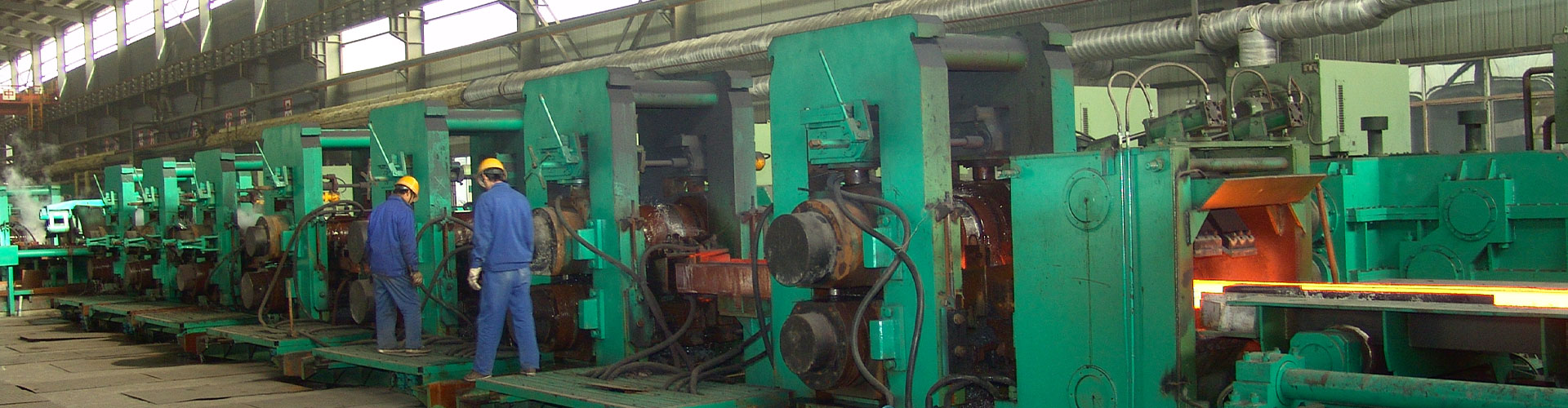
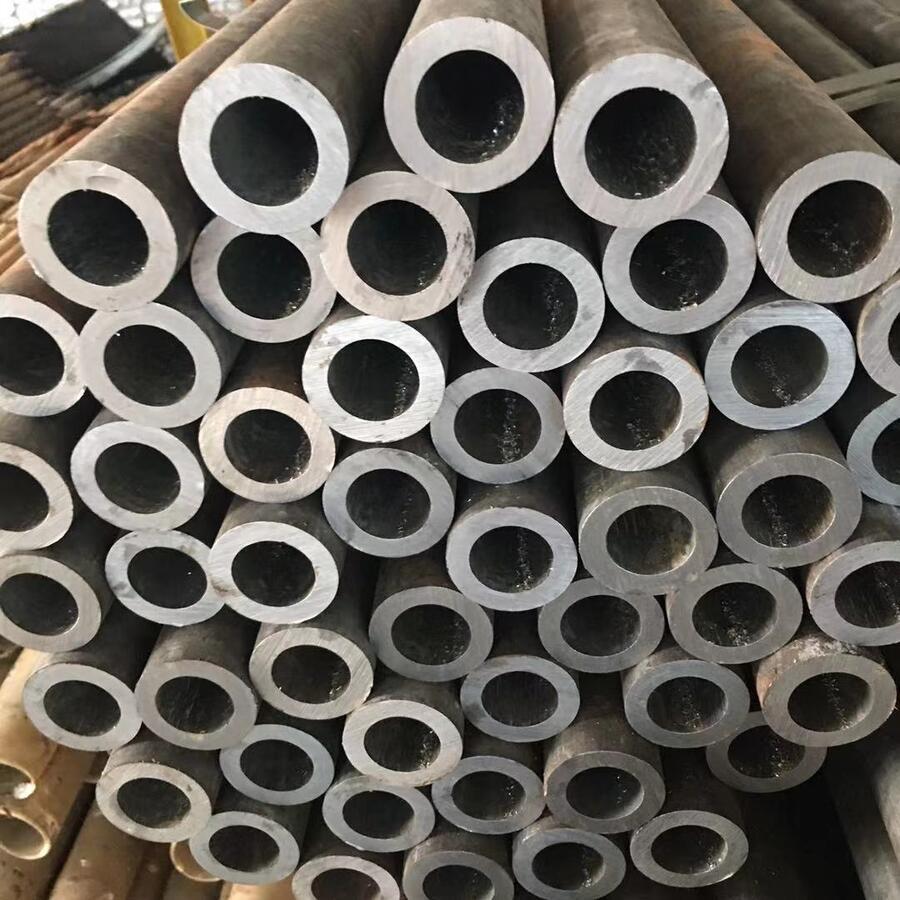
Un laminador de acero es el corazón de cualquier línea de producción de acero.. Toma palanquillas o barras de acero calentadas y las pasa a través de una serie de rodillos para darles forma de productos terminados, como barras de refuerzo., varilla de alambre, ángulo de acero, acero del canal, barras planas, y más.
El proceso suena simple, pero los laminadores modernos son sistemas muy sofisticados que implican un control preciso de la temperatura., configuraciones de soportes múltiples, control de tensión automatizado, y tecnologías de refrigeración avanzadas. La calidad de su laminador determina directamente la calidad, consistencia, y rentabilidad de sus productos siderúrgicos.
Tipos de laminadores de acero
La elección del tipo correcto de laminador depende de los productos objetivo y de la escala de producción.. Aquí están las categorías principales.:
1. Laminadores en caliente
La laminación en caliente es el método más común en la industria del acero.. Las palanquillas de acero se calientan a aproximadamente 1100-1250 grados C antes de ser laminadas.. A esta temperatura, El acero se vuelve maleable y se puede moldear más fácilmente., permitiendo velocidades de producción más rápidas y mayores reducciones de tamaño.
Los laminadores en caliente son ideales para producir:
- Refugio (barras de acero deformadas) para la construcción
- Alambrón para malla, clavos, y sujetadores
- Ángulo de acero, acero del canal, y barras planas
- Barras redondas y barras cuadradas.
2. Laminadores Continuos
En un laminador continuo, varios soportes están dispuestos en tándem. El tocho pasa por cada stand sin parar., con la sección transversal reducida gradualmente en cada etapa. Este diseño ofrece la mayor eficiencia de producción: los molinos continuos modernos pueden producir 500,000 a más 1 millones de toneladas por año.
Los laminadores continuos se dividen a su vez en:
- Laminadores de barras: Para barras de refuerzo, barras redondas, y otros productos largos
- Molinos de alambrón: Acabado de alta velocidad para alambrón de hasta 5,5 mm de diámetro
- Laminadores de perfiles: Para ángulo de acero, acero del canal, vigas I, y otras secciones estructurales
3. Laminadores reversibles
En un molino reversible, el acero pasa de un lado a otro por el mismo conjunto de rodillos, con la distancia entre rodillos reducida en cada pasada. Normalmente se utilizan para volúmenes de producción más pequeños., aceros especiales, o como soportes de desbaste antes del acabado..
Componentes clave de una línea de laminador
Una línea completa de producción de laminadores consta de varios componentes críticos:
Horno de recalentamiento
antes de rodar, Los tochos de acero deben calentarse a la temperatura adecuada.. Los hornos de recalentamiento modernos utilizan gas natural u otros combustibles y cuentan con sistemas automatizados de control de temperatura.. Los hornos de viga móvil son la opción estándar por su calentamiento uniforme y mínimo daño a la palanquilla..
Soportes para laminadores
Las gradas son el equipo central donde se produce la deformación real.. Las especificaciones clave incluyen:
- Diámetro del rollo: Normalmente de 250 mm a 650 mm, dependiendo del producto
- material en rollo: Hierro fundido con alto contenido de cromo, hierro fundido frío indefinido, o acero rápido
- Tipo de soporte: Horizontal, vertical, o convertible (alto voltaje) se encuentra
- Sistema de propulsión: Motores de frecuencia variable CC o CA con reductores de engranajes.
Cizalla voladora
Las cizallas volantes cortan el acero en movimiento a longitudes específicas sin detener la línea de producción. Las cizallas volantes modernas utilizan sistemas de accionamiento servo o hidráulico para un control preciso de la longitud..
Cama de enfriamiento
Después de enrollar y cortar, las barras terminadas se transfieren a un lecho de enfriamiento donde se enfrían naturalmente o con aire forzado. El diseño del lecho de enfriamiento debe garantizar un enfriamiento uniforme para evitar la flexión y la tensión residual..
Equipo auxiliar
- Sistemas desincrustantes para eliminar el óxido superficial antes del laminado.
- Sistemas de guía y protección para garantizar una entrada precisa de la barra en cada soporte.
- Temple y autotemplado (QST) sistemas para la producción de varillas de refuerzo de alta resistencia
- Agrupación automática, peso, y sistemas de etiquetado
Cómo elegir el laminador adecuado para su proyecto
Tomar la decisión correcta sobre el equipo puede significar la diferencia entre una operación rentable y una planta de bajo rendimiento.. Estos son los factores críticos a considerar:
1. Defina sus productos objetivo
Comience con una definición clara de lo que quiere producir.:
- Tipos de producto: refugio, varilla de alambre, secciones, o una combinación?
- Rango de tallas: ¿Cuáles son los diámetros o secciones mínimo y máximo??
- Grados de acero: Acero al carbono ordinario, acero de baja aleación, o grados de especialidad?
- Estándares de calidad: ¿Necesitará cumplir estándares nacionales o internacionales específicos??
2. Determinar los requisitos de capacidad de producción
Su objetivo de producción anual determinará la configuración del molino.:
- 50,000 – 150,000 toneladas/año: Disposición semicontinua o entre países
- 150,000 – 500,000 toneladas/año: Laminación continua con velocidad de acabado moderada.
- 500,000 – 1,000,000+ toneladas/año: Molino continuo de alta velocidad con automatización avanzada
3. Considere su materia prima
El tamaño y la calidad de sus palanquillas de acero afectan cada parte del diseño del laminador.:
- Sección transversal del billete (normalmente de 100x100 mm a 200x200 mm)
- Longitud del billete (estándar 6m o 12m)
- Fuente: Tu propia siderurgia (horno de inducción o EAF) o palanquillas compradas?
4. Evaluar el espacio y la infraestructura
Una línea de laminador puede ser 200-400 metros de largo. necesitas:
- Área de terreno adecuada con diseño de cimientos adecuado
- Fuente de alimentación confiable (normalmente varios megavatios)
- Suministro de agua para sistemas de refrigeración.
- Sistemas hidráulicos y de aire comprimido.
- Puentes grúa para manipulación y mantenimiento de materiales.
5. Equilibrar el costo de capital vs.. Nivel de automatización
Una mayor automatización significa un mayor costo inicial pero menores costos operativos:
- Nivel básico: Carga manual de palanquillas, control de stand local
- nivel intermedio: Control automatizado del horno, control de velocidad en cascada, cizalla automática
- nivel avanzado: Totalmente automatizado desde la carga de palanquilla hasta el empaquetado del producto terminado, con control SCADA centralizado
Llave en mano versus. Poco a poco: ¿Qué enfoque de adquisiciones es el adecuado para usted??
Proyecto llave en mano
Un proyecto de laminador llave en mano significa que un solo proveedor se encarga de todo: el diseño, fabricación de equipos, obras civiles, instalación, puesta en servicio, y entrenamiento. Recibirá una planta en pleno funcionamiento.
Ventajas:
- Punto único de responsabilidad: sin acusaciones entre proveedores
- Cronograma de proyecto más corto con ejecución coordinada
- El diseño integrado garantiza que todos los componentes funcionen juntos de manera óptima
- Garantía integral y soporte postventa
Desventajas:
- Mayor compromiso inicial con un solo proveedor
- Puede incluir márgenes en artículos subcontratados
Adquisición gradual
Usted compra componentes individuales de diferentes proveedores y gestiona la integración usted mismo.
Ventajas:
- Ahorros potenciales de costos en artículos individuales
- Libertad para elegir lo mejor de su clase para cada componente
Desventajas:
- Riesgo de integración: es posible que los componentes no funcionen juntos a la perfección
- Cronograma de proyecto más largo con coordinación de múltiples proveedores
- No hay garantía única para toda la línea
- Requiere una sólida experiencia en ingeniería interna
Recomendación: Para nuevos participantes o empresas que construyen su primer laminador, Se recomienda encarecidamente un enfoque llave en mano por parte de un fabricante experimentado.. El riesgo de integración y la carga de gestión de proyectos de la adquisición fragmentada a menudo superan los ahorros de costos aparentes..
Tendencias tecnológicas en los laminadores modernos
Hornos de recalentamiento energéticamente eficientes
La nueva tecnología de quemadores regenerativos y los materiales de aislamiento mejorados han reducido el consumo de combustible del horno en 15-25% en comparación con diseños más antiguos. Dado que el horno de recalentamiento suele ser el mayor consumidor de energía en un laminador, esto se traduce en importantes ahorros operativos.
Tecnología de acabado de alta velocidad
Los modernos laminadores de alambrón alcanzan ahora velocidades de acabado de más de 100 metros por segundo, con refrigeración controlada avanzada (Transportador Stelmor) para propiedades metalúrgicas precisas. Para molinos de barras, Los sistemas de entrega de alta velocidad con enfriamiento con agua permiten la producción de barras de refuerzo de alta resistencia. (Calificación 500 y arriba) directamente del calor ondulante.
Automatización y Digitalización
Industria 4.0 ha llegado a la laminación de acero. Característica de los molinos modernos:
- Monitoreo de procesos en tiempo real con cientos de sensores
- Control de calibre automatizado para tolerancias dimensionales precisas
- Sistemas de mantenimiento predictivo que alertan a los operadores antes de que ocurran fallas.
- Análisis de datos de producción para una mejora continua del rendimiento
Inversión estimada y ROI
La inversión requerida varía significativamente según la capacidad y el nivel de automatización.:
- Molino de barras pequeño (50,000-100,000 tpy): Aproximadamente $3-8 millón
- Molino de barras/barras continuo medio (200,000-300,000 tpy): Aproximadamente $10-20 millón
- Molino grande de barras o alambrón de alta velocidad (500,000+ tpy): $25-50 millones o más
Estas son estimaciones aproximadas que cubren equipos importantes.. Los costos totales del proyecto también incluirán obras civiles., instalación, utilidades, y capital de trabajo.
Con márgenes de beneficio típicos de $30-80 por tonelada de barras de refuerzo y $50-150 por tonelada para productos especiales, Un proyecto de laminador bien ejecutado puede amortizarse en un plazo 2-4 años en condiciones de mercado favorables.
Preguntas que debe hacer antes de comprar
Al evaluar proveedores de laminadores, Haz estas preguntas críticas:
- ¿Cuántos molinos similares ha construido y dónde están operando??
- ¿Puedo visitar sus plantas de referencia y hablar con los propietarios??
- ¿Cuáles son los parámetros de rendimiento garantizados? (capacidad, producir, tolerancia del producto)?
- Qué está incluido en su garantía y qué está excluido?
- ¿Cuánto tiempo demora la entrega de repuestos para componentes críticos??
- ¿Ofrecen capacitación para operadores y qué tan completa es??
- ¿Qué soporte postventa ofrecen? Asistencia remota, servicio en el sitio, o ambos?
- ¿Cuál es el cronograma típico desde la firma del contrato hasta la puesta en marcha en caliente??
Conclusión
Invertir en una laminadora de acero es una decisión importante que requiere una planificación cuidadosa y el socio de equipamiento adecuado.. Al definir claramente los objetivos de su producto, capacidad de producción, y presupuesto, y eligiendo un fabricante experimentado que pueda ofrecer una solución completa llave en mano, puede minimizar el riesgo del proyecto y maximizar el retorno de la inversión.
La industria siderúrgica sigue creciendo a nivel mundial, Impulsado por el desarrollo de infraestructura y la urbanización.. Un moderno, Un laminador eficiente lo posiciona para capturar esta demanda con calidad constante y costos de producción competitivos..