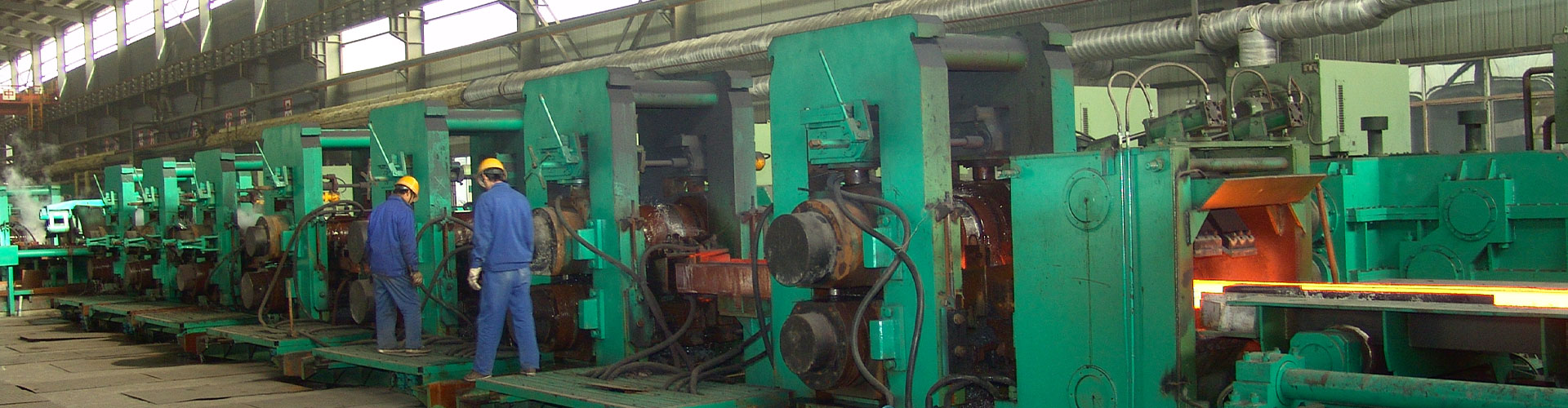
In hot rolling steel mills, reheating furnaces are critical equipment that rely heavily on gas as a fuel source. Ensuring the safe use of gas—whether pipeline natural gas or bottled liquefied petroleum gas (LPG)—is paramount to preventing fires, explosions, and carbon monoxide poisoning. Below is a comprehensive overview of essential safety practices based on industry standards and operational protocols.
Contenido
esconder
1. Correct Use of Pipeline Gas
- Always follow safety operating procedures. After using gas appliances, turn off the appliance switch and also close the valve before the appliance. If gas will not be used for an extended period, shut off the main valve upstream of the gas meter.
- Regularly inspect for leaks. Check all connections—including hose ends, valves, and the gas meter—for potential leaks.
- Install gas equipment properly. Gas pipelines and appliances must never be installed in bedrooms.
- Do not modify or repair gas facilities yourself. Users must not dismantle, alter, relocate, install, or repair gas pipelines, valves, or appliances without authorization. Valves must not be concealed during installation.
2. Safety Precautions for Bottled Liquefied Petroleum Gas (LPG)
- Use only certified cylinders. Cylinders must be inspected and approved by technical supervision authorities. Never use untested or expired cylinders. During cylinder exchange, assist service personnel in performing dynamic leak tests on the angle valve.
- Store cylinders properly. Place cylinders in a well-ventilated, seco, corrosion-resistant area that is easy to access in case of emergency. Keep them clean and protected from moisture, aceite, and salt spray.
- Avoid heat and ignition sources. Never expose cylinders to direct sunlight, open flames, or high-temperature environments, as internal pressure rises with temperature, increasing explosion risk.
- Always keep cylinders upright. Never use cylinders in an inverted or horizontal position. Doing so can cause liquid LPG to escape through the regulator, vaporize rapidly (expanding 250–300 times), mix with air, and create a large-scale fire or explosion hazard.
- Handle with care. Never drop, kick, rollo, or strike cylinders—whether full or empty—as this can damage the cylinder, cause deformation, or lead to catastrophic failure.
- Never accelerate vaporization artificially. Do not pour boiling water over or apply direct flame to a cylinder to increase gas output.
- Maintain safe distances. Place the cylinder and stove side by side, with at least 80 cm (31.5 inches) between the outer edges. Never store the cylinder under the stove, as leaks could ignite unnoticed.
3. Common Causes of Gas Leaks
- Failed ignition (gas released but not burned)
- Boiling liquids or wind extinguishing the flame
- Incompletely closed valves after use
- Damaged gas appliances
- Corroded pipes or faulty valves/fittings
- Aged, cracked, or loose connecting hoses
- Accidental damage during relocation or renovation
- Other unforeseen failures
High-risk leak points: hoses, joints, gas meters, plug cocks, and ball valves.
4. How to Detect Gas Leaks
- Soap solution test: Mix soap or detergent with water and apply it to pipes, metros, hoses, and valves. Bubbles forming indicate a leak. Temporarily seal small leaks with tape and contact your gas provider immediately.
- Sensory detection methods:
- Smell: Utility gas contains an odorant (p.ej., mercaptan) for easy detection.
- Sight: Gas leaks may produce a misty white vapor in air.
- Hearing: A hissing sound often accompanies leaks.
- Touch: A cool sensation may be felt near the leak due to gas expansion.
5. Emergency Response to Gas Leaks
If you detect a strong gas odor:
- Immediately shut off the main gas valve (including appliance switches, plug cocks, and ball valves).
- Eliminate all ignition sources. Do not operate any electrical switches or devices.
- Open windows and doors to ventilate the area. Use fans (non-sparking) to disperse gas if available.
- Evacuate immediately and move family members, neighbors, and bystanders away from the area.
- Do not use phones on-site. Call emergency services from a safe location outside the affected area.
6. Preventing Carbon Monoxide (CO) Poisoning
- Discontinue use of gas water heaters showing yellow flames, smoke, leaks, unusual noise, or vibration, and contact a qualified technician.
- For LPG users, regularly inspect hoses and connections for detachment, leaks, or aging cracks; replace as needed.
- Those using coal for heating should monitor weather conditions closely, especially during temperature inversions or low-wind periods.
7. First Aid for CO Poisoning
- Remove the victim from the contaminated environment immediately and ensure fresh air circulation.
- Keep the patient at rest to reduce oxygen demand.
- Administer oxygen if the patient is breathing spontaneously.
- For unconscious victims, check breathing, pulse, and blood pressure and begin emergency treatment.
- Si breathing or heartbeat stops, perform CPR immediately.
- Call 120 for emergency medical assistance.
- Transport the patient to a hospital for further evaluation.
- Seek hyperbaric oxygen therapy as soon as possible, even for mild or moderate cases, to minimize long-term effects.
8. Factors Influencing CO Poisoning Severity
- Concentration of CO in the air and duration of exposure
- The victim’s physical activity level during exposure
- Children are more vulnerable than adults under the same conditions
- Pre-existing conditions (p.ej., anemia, heart disease) increase risk and severity
9. Key Actions for CO Poisoning Emergencies
- Ventilate the area and evacuate immediately
- Provide oxygen if breathing is present
- Begin CPR if no pulse or breathing
- Call 120
- Arrange for hyperbaric oxygen therapy promptly
10. Emergency Measures for Gas Fires
- Cut off the gas supply (“shut-off to extinguish”): Close the main inlet valve immediately to stop fuel flow.
- Use a dry chemical fire extinguisher: If the fire is too large to approach the valve, aim the extinguisher at the base of the flame. Once extinguished, close the valve and notify the gas company.
- If the valve fails: Seal the leak temporarily with a wet towel, soap, or clay, then move the cylinder outdoors to safely vent remaining gas—eliminate all ignition sources.
- In heavy smoke or large fires: Fight surrounding flames while locating the cylinder. Extinguish the cylinder fire, cut off gas, and cool the cylinder with water before moving it to a safe area.
- For upright burning cylinders: These rarely explode; extinguish quickly. If the cylinder is lying down or the regulator is facing the ground, do not approach directly. Use barriers to cool the cylinder and await professional firefighters.
- Call 119 in emergencies, providing exact location, address, and fire cause.
11. Fire Response by Gas Type
- LPG fires: Shutting the angle valve stops the fire instantly. An upright cylinder minimizes flame contact with the tank, reducing explosion risk.
- Pipeline gas fires: Close the nearest upstream valve. If flames are near the valve, wrap your hand in a wet cloth to protect against heat while turning it off. Large facilities (p.ej., hotels, restaurants) must shut the main valve immediately. If leakage persists after shutdown, alert the gas utility and evacuate while monitoring for CO poisoning.
- Piped LPG systems: Close the meter inlet valve to minimize damage.
Nota: Use dry chemical or 1211-type extinguishers for initial firefighting. If the fire cannot be controlled, call the fire department immediately.
12. First Aid for Burns
- Immediately flush the burn with cool running water for 10–30 minutes to reduce tissue damage.
- Do not apply toothpaste, soy sauce, salt, urine, feces, red medicine water, or other home remedies. These can worsen injury, increase infection risk, or even be life-threatening.
Adhering to these guidelines is essential for maintaining a safe working environment in hot rolling mills. Proper training, regular inspections, and prompt emergency response can prevent accidents and save lives. Always prioritize prevention, stay vigilant, and act decisively in emergencies.