Para empezar con, El desgaste de los rodillos limita la calidad del producto y la vida útil de los rodillos en la producción de laminación universal.. Por esta razón, Este estudio utiliza datos in situ y teorías clásicas del desgaste.. Mientras tanto, Resume los mecanismos de desgaste de los rodillos y las reglas de distribución desigual del desgaste.. Además, analiza los factores clave que influyen en la laminación en caliente. Además, También proporciona métodos prácticos de optimización y mantenimiento.. Al final, la guía de resultados selección de rollos, Gestión del ciclo y producción de perfiles de acero estables..
1. Introducción
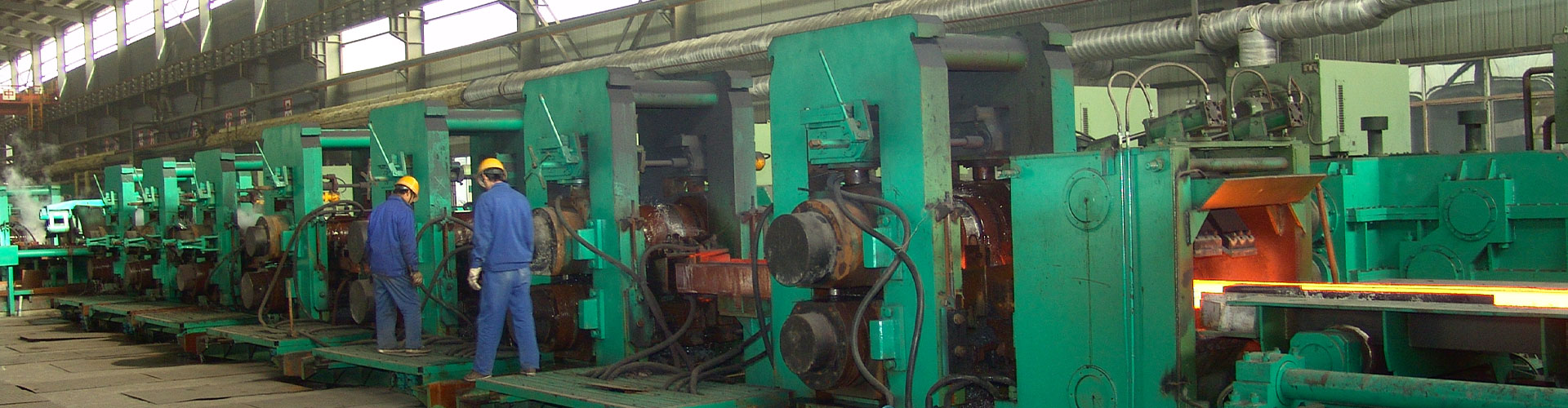
En primer lugar, La sección de laminación de acero adopta una tecnología de laminación de paso especial.. Como resultado, Produce una compleja deformación tridimensional del metal.. En comparación, sus condiciones de fricción y contacto son más complejas que las del rodamiento plano.
Además, El desgaste del rodillo se acumula continuamente durante la producción en masa.. Peor aún, Un desgaste desigual grave provoca desviaciones dimensionales y defectos superficiales.. Además, también conduce a estados rodantes inestables. Respectivamente, Dominar las leyes de desgaste de los rodillos ayuda a reducir el consumo de rodillos y mejorar la estabilidad de la producción..
2. Principales mecanismos de desgaste de los rodillos de molino universales
Para empezar, Los trabajadores evalúan las condiciones de los rodillos según el tonelaje acumulado de paso de acero.. Durante el laminado en caliente, Existe un deslizamiento continuo entre las piezas en bruto calientes y las superficies de los rodillos enfriadas.. Mientras tanto, El deslizamiento hacia adelante y hacia atrás existe en cada pasada rodante..
En términos generales, El desgaste del metal tiene siete tipos básicos.. Específicamente, las formas comunes incluyen desgaste adhesivo, desgaste corrosivo, desgaste por fatiga y desgaste abrasivo. De hecho, El desgaste real del rodillo proviene de múltiples mecanismos acoplados en lugar de una sola causa..
En particular, carga rodante, Las condiciones de velocidad y enfriamiento determinan el tipo de desgaste dominante.. Una vez que las condiciones de trabajo cambian, El mecanismo de desgaste principal cambiará y acelerará el daño del rodillo..
por un lado, el laminado en caliente forma un entorno de oxidación con alta temperatura y agua de refrigeración. Por otro lado, la capa de óxido debilita la fuerza de unión de la superficie. Como consecuencia, A menudo se producen micro peladuras y pérdida de partículas en las superficies de los rodillos..
Aparte de eso, La carga cíclica y la fluctuación de temperatura generan daños por fatiga de contacto.. Lo más importante, El desgaste adhesivo y el desgaste corrosivo dominan la sección de laminado de acero.. Mientras tanto, El desgaste por fatiga juega un papel auxiliar en la aceleración..
En breve, La capacidad de desgaste del rodillo se refiere al desgaste radial máximo después de un tonelaje de laminación fijo.. Para referencia, el modelo de desgaste de Archard admite el análisis cuantitativo. Por lo tanto, El volumen de desgaste aumenta con la carga de contacto y disminuye con la dureza de la superficie..
3. Ley de distribución desigual del desgaste de los pases de rodillos
De la detección de campo a largo plazo, Aparecen características estables de desgaste desigual en las pasadas del rodillo de sección de acero..
Sobre todo, El grado de desgaste aumenta gradualmente desde las paredes laterales del paso hasta las esquinas interiores.. Por esta razón, Las esquinas de paso siempre forman el área de máximo desgaste.. Mientras tanto, el volumen de desgaste cae lentamente desde los bordes inferiores del pase hasta el centro.
En general, el desgaste del fondo del paso es mayor que el desgaste de la pared lateral. Además, la superficie inferior también tiene una mejor uniformidad de desgaste que las paredes laterales. Aunque los diferentes tonelajes de rodadura provocan pequeñas diferencias de valor, nunca cambian la tendencia fija del desgaste desigual.
4. Análisis de causa multifactorial del desgaste de pasada desigual
4.1 El deslizamiento del diferencial provoca una fricción desequilibrada
Primero, Las piezas de trabajo con formas especiales entran en contacto con los pasos del rodillo en diferentes momentos.. De este modo, Los estados de deslizamiento varían mucho en la salida del rodamiento..
Notablemente, pasar las esquinas inferiores tienen el diámetro de rollo más pequeño y la velocidad lineal más baja. Respectivamente, Producen el mayor deslizamiento hacia adelante.. Gradualmente, El deslizamiento hacia adelante disminuye con el aumento del diámetro del rodillo hacia el centro de la pasada..
Cuando la velocidad del rodillo coincide con la velocidad de la pieza de trabajo, el valor de deslizamiento se vuelve cero. En cambio, Los diámetros de rodillo más grandes generan deslizamiento hacia atrás.. Como consecuencia, Los estados de deslizamiento mixto crean una distribución desigual de la fricción.. Naturalmente, Las esquinas y las zonas inferiores sufren un desgaste concentrado..
4.2 La pérdida de la capa fría provoca una dureza desigual
Inicialmente, Los nuevos rollos reciben tratamiento térmico integral.. Por eso, Forman una capa fría de alta dureza de 50 a 60 mm.. En esta etapa, Las nuevas pasadas tienen una dureza estable y buena resistencia al desgaste..
Sin embargo, Girar y moler repetidamente elimina las capas parcialmente frías.. Después, algunas áreas de paso ingresan a capas de transición de baja dureza. Simultáneamente, altos cambios de temperatura de laminación estructuras metalográficas superficiales.
Operación a largo plazo, Las diferencias de dureza locales siguen expandiéndose.. Sucesivamente, diferentes posiciones de paso muestran una resistencia al desgaste inconsistente. Eventualmente, Aparece un desgaste desigual evidente en las pasadas de rodillos..
4.3 Cambios de temperatura desequilibrados Resistencia a la deformación
Matemáticamente, La resistencia a la deformación de la pieza de trabajo sigue una relación de temperatura exponencial negativa.: K=Me⁻ᵐT. En pocas palabras, Una temperatura más baja aporta una mayor resistencia a la deformación y una mayor carga de rodadura..
En la práctica, los espacios en blanco de la sección de acero tienen una distribución de temperatura desequilibrada. Específicamente, La temperatura del alma es mayor que la temperatura de la brida.. Asimismo, La temperatura de la raíz de la brida es mayor que la temperatura del extremo de la brida..
Por esta razón, Las áreas de bridas de baja temperatura soportan mayor fricción y presión.. correspondientemente, sus posiciones de pase coincidentes se desgastan más rápido. Evidentemente, La diferencia de temperatura es una causa clave del desgaste desigual del pase..
4.4 3D La deformación provoca una carga rodante inestable
Por definición, El laminado de acero en sección pertenece a la típica deformación plástica tridimensional.. Como una cuestión de hecho, El alma y la brida tienen diferentes tasas de reducción..
Por un lado, las zonas de gran deformación están restringidas por zonas de pequeña deformación. Por otro lado, La tensión y la compresión internas cambian las reglas originales de flujo del metal.. Incluso pequeñas diferencias de reducción provocan fluctuaciones evidentes en la fuerza de rodadura..
Debido a una distribución desequilibrada de la carga, cada posición de paso tiene diferentes niveles de fricción. En efecto, Esta condición produce tasas de desgaste diversificadas en toda la superficie de paso..
5. Optimización de procesos y contramedidas científicas de mantenimiento
Basado en los mecanismos de desgaste anteriores., esta parte proporciona mejoras específicas. En general, cubre los parámetros de rodadura, Procesamiento de rodillos y control de temperatura..
5.1 Optimizar los parámetros rodantes
En funcionamiento, ajustar razonablemente las relaciones de reducción del alma y del ala. De este modo, la extensión de metal y el deslizamiento asincrónico pueden mantenerse equilibrados. Como resultado, La distribución uniforme de la fricción reduce el desgaste concentrado en las esquinas y la parte inferior..
5.2 Estandarizar el torneado y el rectificado
Primero y más importante, Controle la profundidad de giro simple para proteger las capas enfriadas.. Periódicamente, detectar la dureza del paso regularmente. Además, Haga coincidir las zonas de alta dureza con las áreas de rodamiento de bridas de alta carga..
Más, aplicar refuerzo local en esquinas y fondos vulnerables. Con este método, La resistencia al desgaste local se puede mejorar enormemente..
5.3 Mejore la uniformidad del calentamiento en blanco
Para resolver problemas de gradiente de temperatura., optimizar el control de la temperatura del horno y los procesos de precalentamiento. Si la brecha de temperatura entre el alma y la brida se reduce, La resistencia a la deformación se mantendrá estable.. Así, la carga rodante y la fricción se distribuyen uniformemente.
5.4 Actualizar estándares de reemplazo de rollos
Al evaluar la salud del rollo, juzgar el estado del rollo por tonelaje de acero y desgaste radial real. Durante toda la producción diaria, fortalecer la inspección en posiciones de pase débiles. Antes de que surjan defectos o vibraciones, reemplazar o rectificar los rollos con anticipación.
6. Conclusión
Primero, Los rodillos del molino universal muestran características típicas de desgaste desigual.. Específicamente, Las esquinas de pase tienen el desgaste más grave., y el desgaste del fondo del paso es mayor que el desgaste de la pared lateral.
Segundo, El deslizamiento asincrónico del metal y la compleja deformación 3D son la causa principal del desgaste desigual del paso. Sin eliminar estos dos factores, El desgaste desigual no se puede controlar fundamentalmente..
Tercero, atenuación de la capa fría, La dureza desequilibrada y la temperatura desigual de la pieza de trabajo empeoran conjuntamente las diferencias de desgaste.. En total, Estos tres factores auxiliares amplifican la pérdida local de material en las pasadas de los rodillos..
Cuatro, optimización de parámetros, La molienda estandarizada y el control preciso de la temperatura eliminan eficazmente el desgaste concentrado.. A la larga, Estas medidas estabilizan la calidad del producto y reducen el consumo total de rollos..