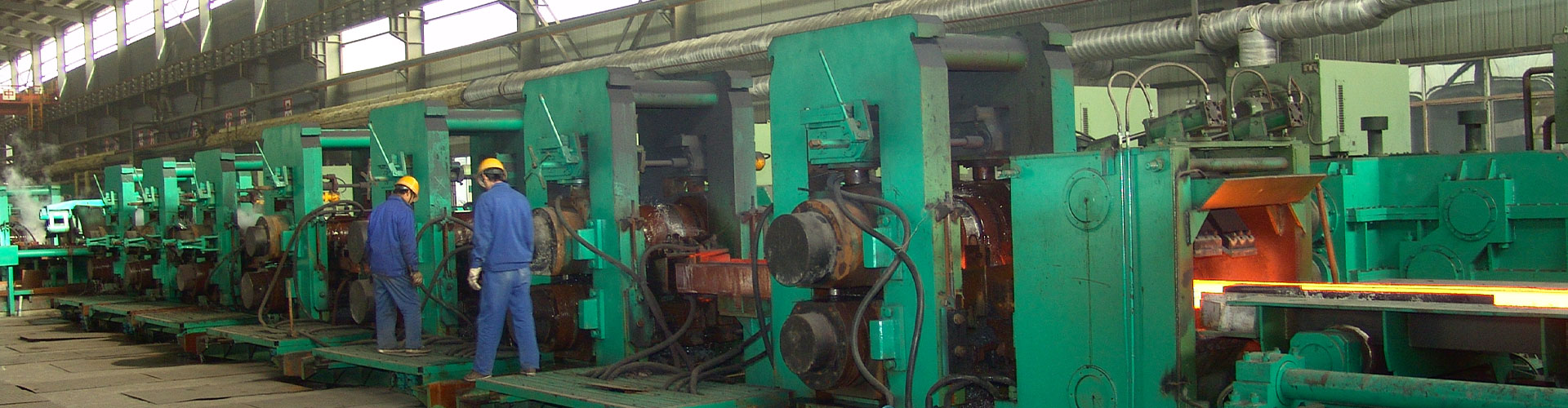
L'équipement de laminage à froid est largement utilisé dans la production de bandes d'acier. Il traite des bandes laminées à chaud qui nécessitent une haute précision, microstructure stable, excellente qualité de surface et tolérance dimensionnelle précise. Les unités de laminage à froid ont évolué des premiers laminoirs à deux hauteurs et des laminoirs à quatre hauteurs aux laminoirs à six hauteurs et aux laminoirs à froid continus modernes.. Avec une mise à niveau continue des équipements et une itération intelligente, les performances de roulement et l'efficacité opérationnelle ont été considérablement améliorées.
Cependant, les structures d'équipement intelligentes et intégrées permettent des travaux de diagnostic et de maintenance plus complexes. Il propose des exigences professionnelles plus élevées pour les techniciens engagés dans la gestion et la maintenance des équipements de laminage à froid.. Donc, la gestion scientifique quotidienne et la maintenance standardisée sont devenues des garanties essentielles pour un fonctionnement stable et à long terme des lignes de production laminoirs.
## Principales causes de défauts des équipements de laminage à froid
Les défauts des équipements de laminage à froid sont causés par le vieillissement naturel des équipements, mauvaises conditions de fonctionnement, mauvais entretien et erreurs humaines. Les principaux facteurs d’influence peuvent être résumés en cinq catégories.
### Usure naturelle et vieillissement des pièces
Un fonctionnement continu à long terme provoque inévitablement des dommages naturels tels que l'usure, fatigue et déformation des pièces mécaniques. Ce type de défaut ne peut être complètement évité, mais il peut être contrôlé efficacement grâce à des systèmes de maintenance standardisés.
Les dommages dus à l'usure se produisent fréquemment sur les lames de racleur des rouleaux et les courroies d'emballage en raison du contact et du frottement à long terme avec les rouleaux de travail.. Les joints rotatifs et les axes de rouleaux souffrent d'un jeu accru causé par des mouvements alternatifs fréquents. Des dommages dus à la fatigue apparaissent souvent sur les disques ressorts et les tirants des bobines en cas de fonctionnement à long terme avec des charges lourdes.. La rupture due au vieillissement se produit principalement sur les composants d'accouplement élastiques, joints d'absorption des chocs et accouplements à engrenages en nylon après une longue période de service.
### Mauvaise gestion de la lubrification
Les équipements de laminage à froid contiennent un grand nombre de roulements, bagues d'arbre, manchons en cuivre et composants d'accouplement. La lubrification détermine directement la stabilité de fonctionnement et la durée de vie des pièces rotatives. Affecté par la grande vitesse, charge lourde et érosion pétrolière continue, l'huile lubrifiante est sujette à la perte et au vieillissement.
Certains équipements ont une conception structurelle déraisonnable sans trous de remplissage d'huile indépendants. Un fonctionnement à long terme sans lubrification supplémentaire entraîne une usure importante des roulements et une défaillance bloquée. Donc, l'inspection régulière de l'huile et le remplissage quantitatif de l'huile sont des travaux de base essentiels pour la gestion et la maintenance des équipements de laminage à froid.
### Conditions de fonctionnement difficiles
La production de laminage à froid présente une charge de laminage variable, réduction fluctuante et tension de bande instable. Un refroidissement irrégulier et une forte perméabilité de l'huile de laminage provoquent facilement des ruptures de bandes et même des risques d'incendie sur site. Ces conditions de travail difficiles accélèrent l’usure des composants et les pannes d’équipement.
En outre, les vibrations élevées pendant le roulement desserrent les boulons de fixation, colliers de serrage et cordons de soudure. Cela provoque également une usure des flexibles hydrauliques et une déviation des angles de balayage.. Par conséquent, ces dangers cachés évoluent progressivement vers des défauts d'équipement conventionnels et affectent la stabilité continue de la production.
### Mauvaise qualité de traitement et d'assemblage
Les pièces partielles ne répondent pas aux normes techniques de conception lors du processus de fabrication et de révision. L’assemblage non standard et l’utilisation improvisée détruisent les propriétés mécaniques d’origine des composants. Une qualité de traitement et d'assemblage non qualifiée entraîne des dommages précoces aux pièces, pannes d'équipement fréquentes et précision de fonctionnement globale réduite.
### Erreurs humaines d’exploitation et de maintenance
Les facteurs humains sont des causes importantes de pannes dans les équipements de laminage à froid. Des opérateurs non qualifiés peuvent causer des dommages aux rails de guidage par collision, chaînes de traînage, réglage des vérins et des flexibles de lubrification pendant le transport des bobines, remplacement des rouleaux et levage des bobines.
Des opérations de maintenance non standardisées déclenchent également des défauts secondaires. Problèmes tels que des pièces non nettoyées, une lubrification insuffisante et un démontage violent réduisent considérablement la précision de l'assemblage. En outre, un entretien quotidien intempestif accélère le vieillissement et l’usure des composants, raccourcir la durée de vie globale des équipements de laminage à froid.
## Problèmes existants dans la gestion et la maintenance des équipements de laminage à froid
De nombreuses entreprises de production présentent des lacunes importantes dans la gestion du fonctionnement des équipements., construction de systèmes et constitution d’équipes. Ces problèmes limitent l'amélioration de la gestion et du niveau de maintenance des équipements de laminage à froid..
### Système et mécanisme de gestion imparfaits
Certaines entreprises n'accordent pas suffisamment d'importance aux travaux de maintenance des équipements. Ils ne parviennent pas à créer des postes de direction professionnels et à compléter des systèmes de gestion.. Les travaux quotidiens de gestion et de maintenance des équipements sont formalisés et désordonnés. Sans contraintes système standardisées, fonctionnement de l'équipement, l'inspection et la révision manquent de normes de mise en œuvre unifiées, ce qui entraîne de fréquents dangers cachés pour l'équipement.
### Formation professionnelle inadéquate du personnel
Les entreprises se concentrent excessivement sur les bénéfices de production à court terme et ignorent la formation professionnelle du personnel de gestion et de maintenance.. La qualité professionnelle globale de l’équipe est faible. Le personnel de maintenance ne peut pas maîtriser les normes de maintenance des nouveaux équipements intelligents. L'effet de révision n'atteint pas le niveau de conception de l'équipement d'origine, affectant le fonctionnement stable à long terme de l'unité.
### Déconnexion entre les opérations de production et la maintenance des équipements
Certaines usines adoptent des modes de gestion de la maintenance externalisée. Les opérateurs sur site adoptent la mauvaise attitude de travail consistant à « utiliser uniquement des équipements sans entretien ». Ils ignorent l'état de fonctionnement en temps réel des unités et permettent aux équipements de fonctionner avec des défauts et des surcharges.. Ce mode de fonctionnement accélère le vieillissement des équipements, intensifie l'usure des composants internes et réduit considérablement la durée de vie de l'équipement.
### Équipe de maintenance instable et compétences professionnelles insuffisantes
Le travail de maintenance des équipements est pénible, avec des salaires bas et une attention insuffisante de la part de la direction de l'entreprise.. L'équipe de maintenance a une grande mobilité du personnel et de nombreux nouveaux employés. La plupart du personnel manque de formation professionnelle systématique et d’expérience en maintenance sur site.
Le personnel de maintenance a une connaissance globale insuffisante des équipements de laminage à froid. Ils ignorent les exigences de précision des pièces, causant facilement des dommages secondaires à l'équipement après la maintenance et ne parvenant pas à résoudre fondamentalement les problèmes de panne.
## Mesures de garantie pour la gestion et la maintenance des équipements de laminage à froid
Avec la mise à niveau intelligente et continue des équipements de laminage à froid, les composants électroniques et les capteurs sont largement utilisés dans les unités roulantes. Des exigences plus élevées sont mises en avant pour une gestion et une maintenance raffinées et standardisées des équipements de laminage à froid.. Combiné avec une expérience d’exploitation sur site, des mesures d'optimisation systématiques sont formulées.
### Mettre en œuvre la sélection des équipements scientifiques
La sélection des équipements scientifiques est la condition préalable à la réduction des coûts de maintenance ultérieurs. Avant l’achat d’équipement, les entreprises doivent tenir compte de manière globale de leur capacité de production, degré d'adéquation entre l'environnement opérationnel et les processus. Ils doivent sélectionner avancé, matériel roulant professionnel stable et de haute qualité.
Si la sélection de l'équipement est incorrecte, des défauts fréquents de conception et d’assemblage apparaîtront ultérieurement. Cela consommera beaucoup de ressources humaines et financières et limitera sérieusement la mise en œuvre des travaux de gestion et de maintenance des équipements de laminage à froid..
### Standardiser le fonctionnement des équipements et la gestion de la maintenance quotidienne
D'abord, améliorer le système de gestion des équipements et clarifier le fonctionnement, spécifications d'inspection et d'entretien. Établir des mécanismes de coopération à long terme avec les fabricants d'équipements et les équipes de maintenance pour assurer une maintenance quotidienne standardisée et ordonnée.
Deuxième, renforcer la construction des équipes de maintenance. Adopter le mode de formation des mentors pour effectuer régulièrement des formations professionnelles et des échanges techniques. Améliorer la capacité professionnelle des nouveaux employés et mettre en œuvre un système de responsabilité personnelle pour l'inspection des équipements. Combinez l'auto-inspection post-auto-inspection et l'inspection spéciale professionnelle pour obtenir une couverture complète de l'enquête sur les dangers cachés.
Troisième, améliorer les capacités intégrées d’exploitation et de maintenance. Organiser le personnel de maintenance pour apprendre de nouveaux processus, nouvelles technologies et nouveaux matériaux. Organiser le personnel pour qu'il participe à la mise en service et à l'apprentissage de l'équipement pendant l'installation de l'équipement. Structure de l'équipement principal, causes des pannes et compétences de maintenance à l'avance pour améliorer la capacité d'élimination d'urgence sur site.
### Maintenance ciblée basée sur les caractéristiques de fonctionnement des équipements
Viser les caractéristiques vibratoires élevées des équipements de laminage à froid, vérifier et serrer régulièrement les boulons de l'équipement, colliers de serrage, joints hydrauliques et fiches électriques. Remplacez régulièrement les pièces vulnérables et vieillissantes telles que les tampons d'accouplement, lames de grattoir et flexibles hydrauliques.
Focus sur la surveillance de l'état de lubrification à l'huile des rouleaux, État de fonctionnement de l'arbre à broches et fermeté du cordon de soudure. Ajustez en temps opportun l'angle de balayage de la bande et d'autres paramètres pour éliminer les dangers cachés causés par les vibrations de l'équipement et l'usure par fatigue.
### Établir une base de données complète de maintenance et de fichiers de l'équipement
Construire une base de données systématique de gestion des équipements pour réaliser une gestion traçable et raffinée des équipements de laminage à froid.
D'abord, établir des fiches complètes d'équipement, enregistrement des informations sur le fabricant, spécifications des composants et normes d’utilisation pour guider la maintenance quotidienne.
Deuxième, enregistrer les causes des défauts, méthodes de maintenance et mesures préventives en détail. Réaliser une transformation technique ciblée pour les pannes fréquentes afin de réduire le taux de défaillance.
Troisième, formuler des plans d'élimination d'urgence en cas de défauts soudains tels que la rupture de bande. Réservez à l’avance les pièces de rechange clés à cycle long pour éviter les risques d’arrêt de la production.
Quatrième, construire des registres d'exploitation et de transformation des équipements, résumer l'expérience en maintenance, et former une bibliothèque professionnelle de problèmes de défauts pour prendre en charge l'optimisation ultérieure de l'équipement.
Cinquième, gérer et mettre à jour de manière centralisée les dessins d'équipement, documents techniques et données sur les pièces en temps réel pour garantir un travail de maintenance efficace et précis.
### Promouvoir les technologies et méthodes de maintenance innovantes
Le personnel de maintenance doit apprendre activement les technologies avancées de maintenance intelligente. Adopter des schémas de lubrification scientifiques, sélectionner les lubrifiants correspondants et formuler des cycles de lubrification raisonnables en fonction des différentes conditions de travail.
Vulgariser des outils de maintenance efficaces tels que des clés pneumatiques et des pistolets graisseurs pneumatiques. Appliquez de la colle à fil et des rubans de matières premières liquides pour améliorer la précision de l'assemblage. Remplacez les matériaux traditionnels par de nouvelles courroies d'emballage en PU hautes performances sans joints pour réduire l'usure et la probabilité de défaillance., réaliser une maintenance des équipements efficace et à faible consommation.
## Conclusion
La gestion et la maintenance des équipements de laminage à froid constituent le fondement d'une production stable de bandes d'acier.. Cet article analyse systématiquement l’usure naturelle, mauvaise lubrification, conditions de fonctionnement difficiles, assemblage non qualifié et erreurs humaines conduisant à des défauts d’équipement. Il résume les déficiences des systèmes imparfaits, qualité d’équipe insuffisante et gestion de production et de maintenance décousue.
En mettant en œuvre la sélection d’équipements scientifiques, gestion quotidienne standardisée, entretien ciblé, construction complète d'une base de données de fichiers et promotion de technologies innovantes, les entreprises peuvent réduire efficacement le taux de défaillance des équipements de laminage à froid. La gestion scientifique de l’exploitation et de la maintenance permet de réduire les coûts de maintenance, éviter les arrêts imprévus, et fournir un support technique solide pour stable, développement efficace et durable des lignes de production de laminage à froid.