Contenu
cacher
Introduction: Industrie sidérurgique et équipement de laminoir à noyau
L'industrie sidérurgique constitue un pilier industriel fondamental pour tous les secteurs manufacturiers. En fait, les gens considèrent universellement l’acier comme l’épine dorsale de l’industrie moderne. Entre-temps, les laminoirs constituent l’un des équipements de base les plus critiques dans la production d’acier. Pour être précis, presque toutes les industries clés dépendent d'un acier de haute qualité traité par de grands laminoirs.
Premièrement, les équipements militaires haut de gamme tels que les porte-avions et les sous-marins nucléaires reposent sur des plaques d'acier de qualité supérieure. Deuxièmement, infrastructures majeures, y compris les centrales nucléaires, les ponts géants et les vannes des réservoirs nécessitent des matériaux en acier robustes. Troisièmement, biens de consommation quotidienne comme les automobiles, les réfrigérateurs et les machines à laver nécessitent également de l'acier laminé standard. Donc, la technologie des laminoirs soutient directement la défense nationale, construction d’infrastructures et développement économique civil.
Aperçu de base de la classification des tôles d'acier et des laminoirs
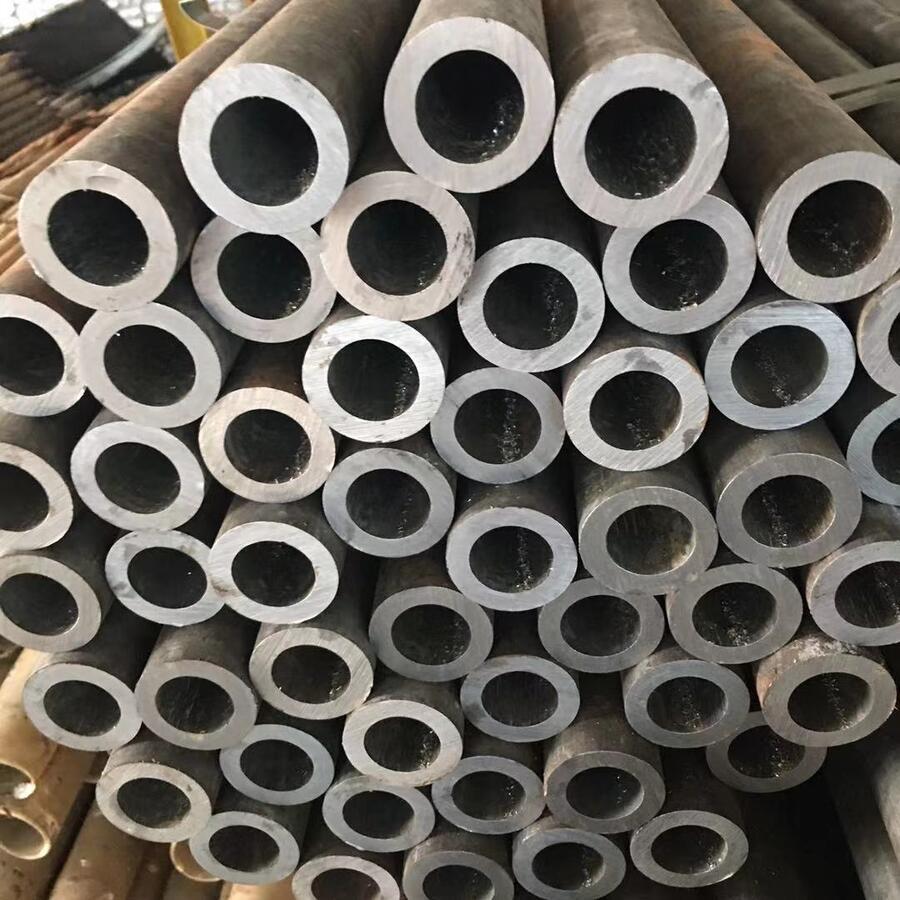
En général, les laminoirs sont des ensembles complets d'équipements industriels. Ils transforment principalement des lingots d'acier bruts et des brames d'acier en produits sidérurgiques finis., y compris les tuyaux en acier, assiettes, profilés et fils machine. Parmi ces quatre grands types d'acier, les plaques d'acier ont le champ d'application le plus large et le plus polyvalent.
En termes de technologie de production, les plaques d'acier se répartissent en deux catégories simples: tôles laminées à chaud et tôles laminées à froid. Entre-temps, les usines classent les plaques par épaisseur pour une production pratique. Spécifiquement, des plaques minces sont sous 4 mm, les assiettes moyennes vont de 4 mm à 20 mm, couverture de plaques lourdes 20 mm à 60 mm, et les tôles extra-lourdes dépassent 60 mm avec une épaisseur maximale de 700 mm. En fonctionnement réel en atelier, les travailleurs combinent généralement les tôles moyennes et lourdes dans une catégorie unifiée appelée tôles moyennes et lourdes.
Notamment, toutes les tôles moyennes et lourdes adoptent un traitement de laminage à chaud. Pendant la production, les brames d'acier chauffées passent à travers l'espace entre les rouleaux de travail supérieur et inférieur. Ensuite, les rouleaux pressent et déforment les dalles de manière stable pour former des plaques d'acier standard. En outre, les fabricants divisent les laminoirs par largeur de cylindre. Les spécifications courantes incluent 1 800 mm, 2300mm, 2800mm, 3300mm, 3800mm, 4300mm, 4800mm et 5300mm.
En général, les laminoirs à tôles larges et lourdes se réfèrent aux modèles avec une largeur de rouleau supérieure à 2800 mm. En outre, les laminoirs d'une largeur supérieure à 4800 mm sont définis comme des laminoirs à tôles lourdes extra-larges, et la plus grande spécification commerciale peut atteindre 5 500 mm.
Scénarios d'application de base des plaques d'acier larges et lourdes
Les plaques d'acier larges et lourdes sont des matériaux stratégiques indispensables. Ils couvrent un large éventail de domaines industriels haut de gamme. Pour une chose, ils soutiennent des projets de génie civil et d’énergie à grande échelle. Pour autre chose, ils garantissent la sécurité et la performance des infrastructures militaires et nationales clés.
Pour commencer, l'industrie de la construction navale dépend fortement des tôles lourdes et larges. À l'heure actuelle, la plupart des chantiers navals mondiaux adoptent le processus de construction navale en gros blocs. Ce procédé utilise des plaques d'acier surdimensionnées pour réduire les cordons de soudure, afin de pouvoir raccourcir efficacement les cycles de construction navale et améliorer la stabilité structurelle. Surtout pour les navires militaires, des plaques monobloc lourdes et larges sont essentielles pour améliorer la résistance structurelle globale.
Par exemple, les États-Unis. Le porte-avions de classe Nimitz a une superficie de poste de pilotage de 18,200 mètres carrés. Le pont utilise des plaques d'acier HSLA-80 de 50 mm d'épaisseur associées à des matériaux de blindage composites.. Évidemment, ce deck doit résister aux forts impacts des décollages et atterrissages des chasseurs, ainsi que l'érosion par flamme à haute température. En même temps, il doit maintenir des performances fiables à l’épreuve des balles. Ainsi, les plaques larges de grande taille sont le seul choix qualifié pour minimiser les joints de soudure et renforcer l'ensemble de la structure.
De plus, l'industrie pétrochimique a également besoin de tôles lourdes massives extra-larges. Les pipelines de transport de pétrole et de gaz sur de longues distances sont fabriqués en laminant et en soudant des plaques d'acier.. Par exemple, 64-pouce (1626mm) les tuyaux soudés à joint droit de grand diamètre nécessitent des plaques d'acier de 5,11 mètres de large, et seuls les laminoirs de 5 500 mm peuvent répondre à cette norme de largeur.
En outre, les plates-formes de forage offshore fonctionnent dans des environnements marins difficiles. Ils doivent résister aux vents violents et aux vagues énormes, ainsi leurs plaques d'acier de construction atteignent une largeur maximale de 5200 mm. De la même manière, seuls les laminoirs de 5 500 mm peuvent produire de telles plaques ultra-larges. En plus, les grands réservoirs de stockage de pétrole et de gaz adoptent des plaques larges à haute résistance de 20 à 45 mm. Ces plaques réduisent les quantités de soudure et améliorent considérablement la sécurité structurelle des réservoirs.
En outre, l’infrastructure nucléaire repose également sur des plaques lourdes larges de haute qualité. L’enveloppe de confinement cylindrique en acier est la barrière de sécurité centrale des réacteurs nucléaires. Son diamètre est d'environ 40 mètres et sa hauteur dépasse 60 mètres. La couche intérieure utilise des plaques d'acier de 50 mm d'épaisseur, tandis que la couche extérieure est coulée avec du béton armé de 1 mètre d'épaisseur. Cette structure doit résister aux tremblements de terre, ouragans et impacts de chutes d'objets.
Spécifiquement, le revêtement intérieur du confinement est assemblé par plus de 130 larges plaques lourdes. Ces plaques sont d'abord soudées en dizaines d'anneaux d'acier géants, puis empilées et installées.. Le poids total de l'acier dépasse 4,000 tonnes. Par conséquent, seuls les laminoirs sont plus larges que 5 les compteurs peuvent produire des plaques qualifiées pour les projets de confinement nucléaire.
Comme Peter Krass, le biographe du magnat américain de l'acier Andrew Carnegie, dit une fois: Chaque morceau d’acier cache les secrets de l’ascension et de la chute d’un pays.
Stade de développement précoce: Technologie arriérée et importation complète d’équipement
Dans l'histoire moderne, L’industrie sidérurgique chinoise est restée longtemps à la traîne des niveaux avancés mondiaux. Au début, presque tous les équipements de laminoirs dépendaient entièrement des importations étrangères.
Dans 1871, l'usine de laminage affiliée au Fuzhou Navy Yard a introduit quatre ensembles de laminoirs. Ces appareils produisaient principalement des plaques de fer pour la construction navale d'une épaisseur inférieure à 15 mm.. Plus tard dans 1890, Zhang Zhidong a construit Hanyang Iron Works et importé un laminoir allemand à tôles moyennes à double support et à vapeur de 2 450 mm de hauteur..
Pendant la guerre de résistance contre l'agression japonaise, les ouvriers ont déménagé cette usine de Hankou à Chongqing. Étonnamment, l'équipement a fonctionné en continu à Chongqing Iron & Acier jusqu'à 1984. Il a servi l’industrie sidérurgique chinoise pendant un siècle avant d’être démantelé..
Après la fondation de la Nouvelle Chine en 1949, La Chine accélère la construction de son industrialisation. Par conséquent, le pays a importé un grand nombre de technologies et d'équipements métallurgiques de l'Union soviétique.
Dans 1958, Angang a mis en production officielle un laminoir semi-continu de tôles et de bandes de 2 800/1 700 mm fourni par les Soviétiques. Dans 1966, Fer de Wuhan & Steel a lancé un laminoir à quatre hauteurs de 2 800 mm importé d'Union soviétique. La même année, Fer Taiyuan & Steel exploitait une usine Steckel de fabrication soviétique de 2 300/1 700 mm.
Après 1958, les entreprises sidérurgiques locales ont tiré les leçons du modèle d'usine de tôles moyennes d'Angang. Puis ils construisirent successivement 13 ensembles de laminoirs Lauth à trois hauteurs de 2 300 mm à travers le pays. Ces équipements importés et simulés ont jeté les bases de la première production de tôles moyennes en Chine..
Indépendant R&Percée D: Naissance de la première usine chinoise de tôles lourdes de 4 mètres
Dans les années 1960, Les relations sino-soviétiques se sont progressivement détériorées. Pour cette raison, La Chine a perdu des canaux stables pour l'importation d'équipements métallurgiques. Pour briser le blocus technique, La Chine a décidé de développer de manière indépendante un laminoir à tôles lourdes de 4 mètres.
À partir de 1966, le ministère de l'Industrie métallurgique et le premier ministère de la construction de machines ont dirigé le R unifié&Projet D. Entre-temps, Second Heavy Machinery Works a entrepris la conception et la fabrication d'équipements mécaniques de base. Dongfang Electric a fourni des systèmes électriques de support, et l'Institut de recherche sur la conception du fer et de l'acier de Pékin a achevé le processus global et la conception de l'usine..
En septembre 8, 1978, La première usine chinoise de tôles lourdes à cage unique réversible de 4 200 mm de hauteur, de 4 200 mm, a été mise en service à Wuyang Iron. & L'acier au Henan. Cette usine pourrait produire des tôles d'acier d'une épaisseur de 8 mm à 250 mm et d'une longueur standard de 18 mètres. La longueur personnalisée maximale pourrait atteindre 27 mètres.
En outre, ses produits étaient largement utilisés dans les navires de guerre, réservoirs, sous-marins, chaudières à haute pression et projets nucléaires. Cet équipement a apporté une contribution exceptionnelle à la construction de la défense nationale chinoise. Ainsi, il a reçu le titre honorable de « Merit Rolling Mill ».
Période de transition: Rénovation d’équipements et importation de moulins d’occasion
Après les années 1980, les entreprises sidérurgiques nationales ont commencé à moderniser leurs anciens équipements roulants. Spécifiquement, ils ont effectué des transformations techniques sur les laminoirs traditionnels à trois plaques moyennes Lauth pour améliorer l'efficacité de la production et la qualité des produits.
Au début des années 1990, le développement industriel national s'est accéléré rapidement. Par conséquent, la demande du marché pour les tôles moyennes et lourdes a fortement augmenté. Cependant, à l'époque, le gouvernement ne disposait pas de fonds suffisants pour construire de toutes nouvelles lignes de laminage avancées..
Résoudre la contradiction entre la demande du marché et une capacité de production insuffisante, les grandes entreprises sidérurgiques ont pris des mesures pratiques. Par exemple, Anang, Acier Pudong, Fer à repasser Handan & Steel et Shougang ont importé du Japon des lignes de laminoirs d'occasion matures, L'Allemagne et les États-Unis. Après des rénovations techniques ciblées et des mises à niveau des installations, ces lignes ont été rapidement mises en production pour combler le vide du marché.
Boom rapide: Construction d'usines de fabrication de plaques extra-larges de 5 mètres de classe mondiale
Après 2004, L’économie chinoise est entrée dans une phase de croissance rapide. En conséquence, la demande du marché pour les tôles larges et lourdes a augmenté continuellement. Depuis lors, une recrudescence nationale de la construction de laminoirs ultra-grands a émergé, et un lot de lignes de production de plaques extra-larges de pointe au monde ont été achevées et mises en service.
Dans 2005, Baosteel a lancé la première usine de tôles lourdes de 5 000 mm de large en Chine, marquant l’arrivée officielle de l’ère chinoise du roulement à 5 mètres. Dans 2006, Shagang a mis en service son laminoir de 5 000 mm en tant que deuxième ligne de production de tôles lourdes de 5 mètres en Chine. Plus tard dans 2010, Fer Hunan Valin Xiangtan & Steel a terminé sa ligne de laminage à double cage et quatre hauteurs de 5 000 mm. Dans 2012, Poterie en fer & Steel a officiellement exploité sa ligne de production à double cage de 5 000 mm auto-améliorée.
Dans 2009, La nouvelle usine d'Angang Bayuquan a franchi une étape clé. Son laminoir d'ébauche pour tôles lourdes de 5 500 mm de large a passé avec succès le test de charge à chaud. Cette usine a été la première usine sidérurgique entièrement moderne de Chine avec une conception nationale indépendante et une autonomie technique totale.. Il était équipé d'un ensemble complet d'équipements de premier ordre, y compris le très grand laminoir à tôles au monde de 5 500 mm de large.
Le laminoir de 5 500 mm de première qualité au monde: Le « roi des laminoirs »
La fabrication de grands laminoirs appartient au domaine de la fabrication d'équipements extrêmes. À l'heure actuelle, Le laminoir à double cage réversible à quatre hauteurs de 5 500 mm d'Angang est le laminoir à tôles larges et lourdes le plus grand au monde.
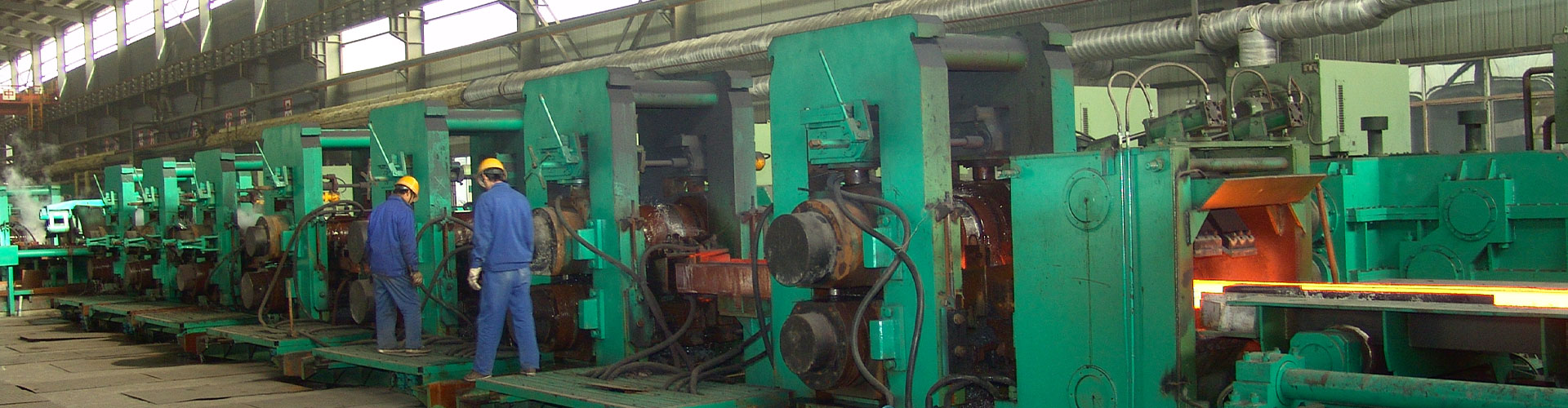
A détailler, la ligne de production complète se compose d'une fraise d'ébauche à quatre hauteurs de 5 500 mm, une fraiseuse de finition à quatre hauteurs de 5 000 mm, deux fours de chauffage à poutres mobiles et plus de 40 ensembles d'équipements auxiliaires. L'ensemble du système contient plus de 100,000 pièces et composants indépendants.
En termes d'échelle, les deux laminoirs à noyau couvrent une longueur de 200 mètres, une largeur de 35 mètres et une hauteur de près 20 mètres. Leur poids total atteint environ 7,000 tonnes. De plus, de nombreux composants atteignent les limites du traitement mécanique et du transport en raison de leurs exigences de très grande taille et de très haute précision. Pour cette raison, l’industrie le reconnaît universellement comme le « roi des laminoirs ».
Outre son énorme ampleur, ce laminoir a des performances de laminage parmi les meilleures au monde. Il fournit une force de roulement maximale de 100,000 tonnes. Il peut rouler des plaques d'acier d'une largeur de 5.5 mètres et une seule longueur de plus 40 mètres. Le plus important, les tôles d’acier du premier porte-avions de construction nationale chinoise ont été produites sur cette ligne en 2013.
Valeur industrielle et importance stratégique des usines nationales de tôles larges
La ligne de production de plaques ultra-larges d'Angang peut produire divers produits haut de gamme. Ces produits comprennent des plaques de navire à haute résistance, plaques spéciales pour navires de guerre, plaques d'acier pour l'énergie nucléaire, acier de construction résistant aux intempéries, plaques d'oléoducs et de gazoducs de grand diamètre et acier moulé de haute qualité.
Évidemment, la fabrication indépendante de ce laminoir de haut niveau a une grande importance stratégique. D'une part, il réussit à briser les blocus techniques étrangers et les monopoles matériels sur les aciers spéciaux. D'autre part, il soutient fermement la modernisation du transport pétrolier et gazier chinois, construction navale, industries de la défense nationale et de la machinerie lourde.
Avec la mise à niveau continue de la technologie des laminoirs, La capacité de production de tôles moyennes et lourdes de la Chine a augmenté rapidement. Depuis 2000 à 2008, la production annuelle a fortement augmenté de 15.45 millions de tonnes à 55.53 millions de tonnes. Depuis lors, La Chine a fermement maintenu sa position de premier producteur et consommateur mondial de tôles moyennes et lourdes.
Conclusion
En bref, L’industrie chinoise des laminoirs à tôles larges et lourdes a achevé une transformation remarquable. Il est passé d'une dépendance totale à l'étranger et d'une technologie arriérée à un R indépendant&D et des capacités de fabrication de pointe. En outre, les progrès continus des équipements de laminage d'acier ont jeté des bases solides pour la fabrication nationale d'équipements de pointe. Entre-temps, il favorise en permanence le développement de haute qualité des infrastructures nationales, industrie civile et construction de la défense nationale.