Introduction
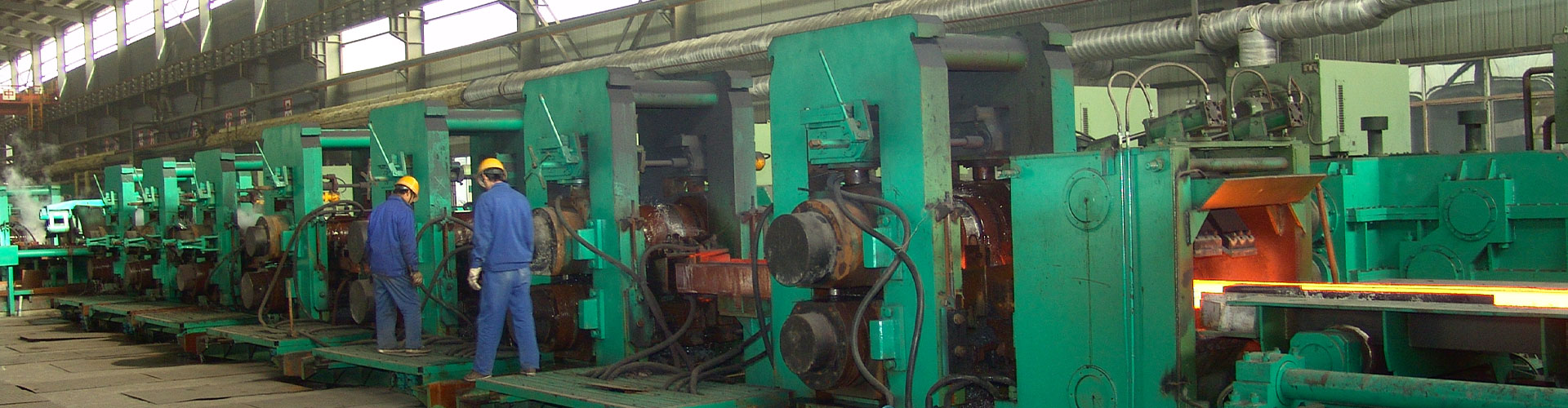
Grillage des roulements du broyeur à conduite de contrainte courte est l'une des pannes d'équipement les plus courantes et les plus nuisibles dans les ateliers modernes de laminage de barres et de fil machine.. Les lignes de laminage finition du N°1, N°2, Les laminoirs à barres n°3 et la deuxième ligne de laminage de barres à grande vitesse adoptent tous des laminoirs à ligne de contrainte courte. Ces broyeurs utilisent des roulements à rouleaux cylindriques à quatre rangées comme principaux composants porteurs et différents types de butées pour le positionnement axial.. En production continue réelle, grillage des roulements du broyeur à conduite de contrainte courte provoque souvent des arrêts inattendus, remplacement des rouleaux et mise au rebut des composants. Les laminoirs verticaux affichent des taux de défaillance plus élevés que les laminoirs horizontaux. Pour résoudre ce problème et stabiliser l'efficacité de la production, cet article analyse systématiquement les causes profondes de grillage des roulements du broyeur à conduite de contrainte courte et fournit des mesures d'amélioration pratiques pour une application sur le terrain.
1. Causes fondamentales liées à la lubrification de l'épuisement des roulements d'un broyeur en ligne sous contrainte courte
L'inspection de démontage des roulements défectueux révèle des conditions anormales évidentes à l'intérieur de la chambre du roulement.. Les impuretés de l'eau de refroidissement et de l'oxyde de fer envahissent facilement la structure interne, qui émulsionne fortement la graisse lubrifiante. Les surfaces de roulement brûlées semblent rugueuses et surchauffées, et une certaine graisse devient sèche ou carbonisée à haute température. De multiples facteurs structurels et opérationnels déraisonnables entraînent des défaillances répétées par grillage des roulements.
1.1 Structure d'étanchéité des roulements défectueuse
La structure d'étanchéité à labyrinthe unique d'origine ne peut pas bloquer efficacement l'eau et la poussière externes. Lorsque le rouleau tourne à grande vitesse, la force centrifuge fluidifie la graisse interne et crée des différences de pression interne et externe. Une mauvaise étanchéité permet à l'air, eau de refroidissement et tartre d'oxyde pour pénétrer en continu dans la cavité du roulement. Ce défaut courant provoque directement une émulsification des graisses, défaillance de la lubrification et éventuelle surchauffe des roulements.
1.2 Normes d'installation d'étanchéité incorrectes
Les ateliers ont déjà adopté des méthodes d'installation d'étanchéité unifiées pour les broyeurs horizontaux et verticaux sans ajustement ciblé. Les broyeurs verticaux nécessitent l'installation d'un anneau en V vers le haut pour bloquer les éclaboussures d'eau de refroidissement.. Un assemblage non standard réduit considérablement les performances d'étanchéité et accélère les dommages précoces aux roulements..
1.3 Accumulation de chaleur par friction interne
Un jeu déraisonnable du labyrinthe provoque une friction de contact entre les pièces d'étanchéité statiques et mobiles. Les impuretés à l'intérieur du roulement augmentent également la résistance opérationnelle et génèrent de la chaleur supplémentaire. L'accumulation continue de chaleur augmente rapidement la température de la graisse, réduit la viscosité et entraîne une perte de graisse et un frottement sec.
1.4 Cycle de service prolongé et manque de lubrification automatique
Les passages de rouleaux renforcés au laser augmentent considérablement le tonnage de roulement et prolongent le temps de travail en ligne des roulements. Cependant, la plupart des lignes de production ne prennent pas en charge le graissage automatique en ligne. Un fonctionnement à long terme sans renouvellement efficace de la graisse augmente considérablement le risque de grillage des roulements.
2. Améliorations techniques pour la prévention de l'épuisement des roulements des broyeurs à lignes de contrainte courtes
2.1 Optimisation de la structure d'étanchéité composite
Remplacez la structure à labyrinthe unique par un système d'étanchéité combiné de passages à labyrinthe et de bagues d'étanchéité spéciales en forme de V.. Installez des anneaux en V verticaux avec les ouvertures tournées vers le haut pour empêcher l'infiltration d'eau de refroidissement.. Ajustez les sorties du labyrinthe vers le côté extérieur et augmentez le jeu de 1 mm à 1.5 mm pour éviter la déformation par frottement. Ajoutez des épaulements bloquant l'eau et des rainures anti-poussière pour renforcer les performances anti-invasion. Fixez les composants du labyrinthe rotatif par soudage par points pour éliminer la chaleur de friction entre les faces d'extrémité des rouleaux.
2.2 Gestion scientifique et standardisée des graisses
Sélectionnez la graisse composite au sulfonate de calcium haute performance comme lubrifiant officiel. Ce matériau présente une excellente résistance à l’eau, performances mécaniques stables et propriétés anti-usure extrême pression. Il forme un film protecteur de sulfure de fer à haute température pour éviter le frittage du métal.. Contrôler strictement le volume de graissage pour combler modérément les espaces entre les roulements, sans excès ni pénurie.. Nettoyez soigneusement tous les roulements et composants du labyrinthe avec du kérosène avant l'assemblage pour éliminer la vieille graisse et les impuretés..
Adopter des stratégies saisonnières de classement des graisses. Utilisez de la graisse n°2 dans des conditions hivernales à basse température et de la graisse n°3 dans des environnements d'été à haute température. Complétez régulièrement la graisse pour les broyeurs de secours hors ligne afin de maintenir des performances de lubrification stables.
3. Optimiser le processus d'assemblage pour réduire le risque d'épuisement des roulements du broyeur
Les opérations d'assemblage non conformes sont des causes cachées critiques de défaillance des roulements. Des spécifications d'assemblage strictes réduisent efficacement la fréquence de grillage des roulements du broyeur à lignes de contrainte courtes.
Maintenir l'environnement d'assemblage propre et isoler les roulements non emballés de la contamination du sol. Contrôlez régulièrement la température de chauffage de la bague intérieure du roulement entre 80 ℃ et 100 ℃ pour garantir un ajustement précis sans détérioration de la graisse.. Utilisez des tiges de cuivre pour un taraudage symétrique lors de l'installation du roulement afin d'éviter les dommages causés par les chocs.. Inspecter les cages de roulement, éléments roulants et manchons intérieurs avec soin avant l'assemblage formel.
Testez la flexibilité du rouleau après l’installation pour éliminer le jeu axial anormal. Souder les boulons anti-desserrage sur les écrous verticaux de la base du broyeur pour éviter les vibrations du broyeur et un fonctionnement instable pendant le laminage..
4. Sélection des roulements de butée pour éviter l'épuisement des roulements de broyeur en ligne sous contrainte courte
Une comparaison sur le terrain montre que les butées à cage en fer se fissurent facilement sous une charge alternée à grande vitesse, provoquant un blocage des rouleaux et un grillage des roulements. En revanche, les butées à cage en cuivre offrent une meilleure ténacité, stabilité et résistance à la fatigue. Remplacer entièrement les roulements à cage en fer par des butées à cage en cuivre pour toutes les usines intermédiaires et de finition. Cette mesure réduit efficacement les taux de défaillance soudaine des roulements lors d'un fonctionnement à long terme.
5. Transformation du système de graissage automatique en ligne
Installer des systèmes de graissage automatique des roulements sur les principales lignes de production. Le système ajoute de la graisse fraîche tous les 3 à 4 heures en laminage continu pour renouveler les films d'huile lubrifiante. Pour les lignes sans équipement automatique, organiser un supplément de graisse manuel pendant l'entretien de routine et le changement de produit. Promouvoir la mise à niveau du système de lubrification complet pour obtenir une protection stable des roulements à long terme.
Conclusion
Amélioration de l’étanchéité structurelle, sélection de graisse standardisée, une technologie d'assemblage précise et une sélection optimisée des roulements atténuent considérablement les problèmes de grillage des roulements du broyeur à lignes de contrainte courtes. Ces mesures réduisent efficacement les arrêts imprévus et les pertes au rebut des équipements.. Cependant, une invasion mineure d'eau et d'impuretés se produit toujours dans des conditions de travail complexes. Un fonctionnement en ligne à long terme provoque toujours un vieillissement mixte de la graisse et réduit la stabilité de la lubrification. D'autres optimisations techniques et stratégies de maintenance intelligentes amélioreront continuellement la durée de vie et la fiabilité opérationnelle des roulements de laminoirs à contraintes courtes dans la production de laminoirs à barres..