Понимание сути современного производства стали: Высокоскоростные станы для прокатки катанки
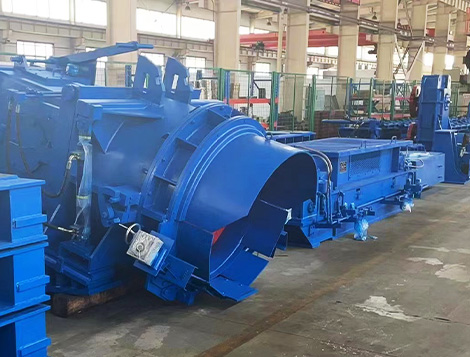
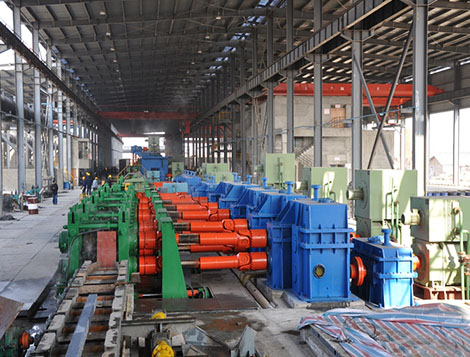
В мире производства стали, производство высококачественной катанки – фундаментальный процесс. В основе этой операции лежит высокоскоростной проволочный стан, чудо техники, которое превращает нагретые стальные заготовки в точные мотки проволоки с невероятной скоростью. Этот сложный оборудование прокатного стана дело не только в скорости; речь идет о точности, эффективность, и достижение особых металлургических свойств, которые имеют решающее значение для бесчисленных последующих применений., от строительной арматуры до автомобильных компонентов.
Путешествие в современность стан горячей прокатки Производство катанки началось в начале 1960-х годов с разработки первых чистовых станов без кручения.. Это нововведение произвело революцию в отрасли., прокладывая путь к передовым системам, которые мы видим сегодня. Эти мельницы характеризуются набором ключевых особенностей.: высокоскоростная работа, одноручьевая прокатка, технология без скручивания, контролируемое охлаждение, и высокая степень автоматизации. В результате получается продукт с превосходной точностью размеров., отличное качество поверхности, и стабильные механические свойства, все упаковано в большую упаковку, тяжелые рулоны, которые повышают эффективность обработки и обработки для конечного пользователя.
Классификация высокоскоростных проволочных станов: Взгляд на варианты дизайна
Хотя основные принципы схожи, высокоскоростные проволочные станы можно разделить на категории по нескольким конструктивным и структурным характеристикам.. Понимание этих классификаций помогает выбрать подходящее оборудование для конкретных производственных нужд..
1. В зависимости от диаметра рулона
Диаметр валков чистового блока является основным классификационным фактором., влияние на жесткость стана и характеристики прокатки.
- Рулоны большого диаметра: Обычно в пределах 250 мм до 290 мм. Они обеспечивают большую жесткость, но могут быть менее пригодны для высокоскоростной чистовой обработки изделий малого диаметра..
- Рулоны малого диаметра: Начиная от 152 мм до 210 мм. Ролики меньшего размера уменьшают площадь контакта с заготовкой., снижение сил прокатки и энергопотребления, который идеально подходит для достижения высочайших скоростей чистовой обработки (часто превышающий 100 РС).
2. На основе расположения осевой линии крена
Ориентация прокатных клетей имеет решающее значение для обеспечения прокатки без перекручивания., где заготовка не перекручивается между последовательными клетями. Это сохраняет целостность материала и улучшает контроль размеров..
- 45° Расположение: В этой общей конфигурации, стойки для рулонов расположены попарно, при этом каждая стойка наклонена под углом 45° к горизонтальной плоскости и 90° к соседней стойке.. Это создает плавное, путь без перекручивания для катанки.
- Горизонтально-Вертикальное (ХВ) Альтернативное расположение: В этой конструкции чередуются горизонтально и вертикально ориентированные двухвалковые клети для достижения аналогичного эффекта отсутствия перекручивания..
3. На основе системы поддержки рулонов
Способ крепления валков и их валов влияет на жесткость стана., скорость обслуживания, и общий след.
- Консольная поддержка: Это наиболее распространенная конструкция в современных высокоскоростных чистовых блоках.. Валы валков поддерживаются с одного конца., оставляя другой конец «нависающим». Эта компактная конструкция обеспечивает чрезвычайно быструю замену валков и использует прочные кольца валков из карбида вольфрама., которые необходимы для крупносерийного производства.
- Двухточечная поддержка: В этом традиционном дизайне, вал валка поддерживается подшипниками на обоих концах, часто внутри корпуса или рамы. Обеспечивая высокую жесткость, эта система менее распространена в современных чистовых блоках из-за более медленной смены валков..
Технические параметры ведущих высокоскоростных чистовых станов без крутки
Чтобы предоставить практическую ссылку, В следующей таблице сравниваются типичные технические параметры нескольких влиятельных разработок в мире. прокатный стан для катанки промышленность. Эти параметры характеризуют возможности и философию проектирования различных производителей и служат эталоном для современных Прокатная мельница технология.
| Параметр | Тип Моргана | Демаг (SMS) Тип | Тип Эслоу | Тип Даниэли |
|---|---|---|---|---|
| Поддержка рулона | Консольный | Консольный | Консольный | Консольный |
| Количество стендов | 8 или 10 | 8 или 10 | 8 или 10 | 8 или 10 |
| Система привода | Централизованный привод | Централизованный привод | Централизованный привод | Централизованный привод |
| Мощность главного двигателя (кВт) | 2 х (1650-1900) | 2 х (1000-1750) | 2 х (1500-1700) | 2 х (1650-1800) |
| Диаметр рулона (мм) | 210 / 150 | 210 | 210 | 210 / 160 |
| Макс. Скорость вращения (РС) | До 120 | До 120 | До 100 | До 100 |
| Мин. Допуск размера (мм) | ±0,10 | ±0,10 | ±0,10 | ±0,10 |
| Материал роликового кольца | Карбид вольфрама | Карбид вольфрама | Карбид вольфрама | Карбид вольфрама |
| Система оформления пропусков | Овал-Круглый | Овал-Круглый | Овал-Круглый | Овал-Круглый |
Интерпретация ключевых параметров
Максимальная скорость катания: Это напрямую влияет на производительность. Более высокие скорости означают больший тоннаж в час, но они также требуют большей точности в системах управления и более надежных механических компонентов..
Допуск размера: Жесткая толерантность (НАПРИМЕР., ±0,10 мм) является важным показателем качества. Это гарантирует однородность конечного продукта., что важно для таких применений, как армирование высокопрочного бетона или тонкое волочение проволоки..
Материал роликового кольца: Повсеместное использование карбида вольфрама для изготовления роликовых колец является свидетельством его невероятной твердости и износостойкости.. Это позволяет стану работать в течение длительного времени без замены валков., поддержание стабильного качества продукции и максимальное увеличение времени безотказной работы.
Моторная мощность: Значительная мощность главных приводных двигателей необходима для преодоления огромных сил, возникающих при деформации стали на высоких скоростях.. Номинальная мощность тщательно рассчитывается на основе ассортимента продукции., скорости, и марки стали, подлежащие прокатке.
Будущее производства катанки
Технология, лежащая в основе высокоскоростной проволочный стан продолжает развиваться. Стремление к большей эффективности, более жесткие спецификации продукта, и улучшенные свойства материала способствуют инновациям. Мы наблюдаем тенденцию к еще более высоким скоростям прокатки., более сложные системы автоматизации и управления процессами (включение искусственного интеллекта и машинного обучения), и разработка специализированных технологий прокатки современных марок стали.. Постоянное развитие гарантирует, что Прокатная мельница остается краеугольным камнем современного промышленного производства, поставка высококачественной катанки, которая строит и питает наш мир.