Предупреждение: Вибрация тяжелого прокатного стана повреждает оборудование & Создает дефекты – исправления, готовые к эксплуатации
1 Распознайте все опасности: Машины, повреждающие вибрацию & Готовая сталь
1.1 Скрытый долгосрочный ущерб оборудованию
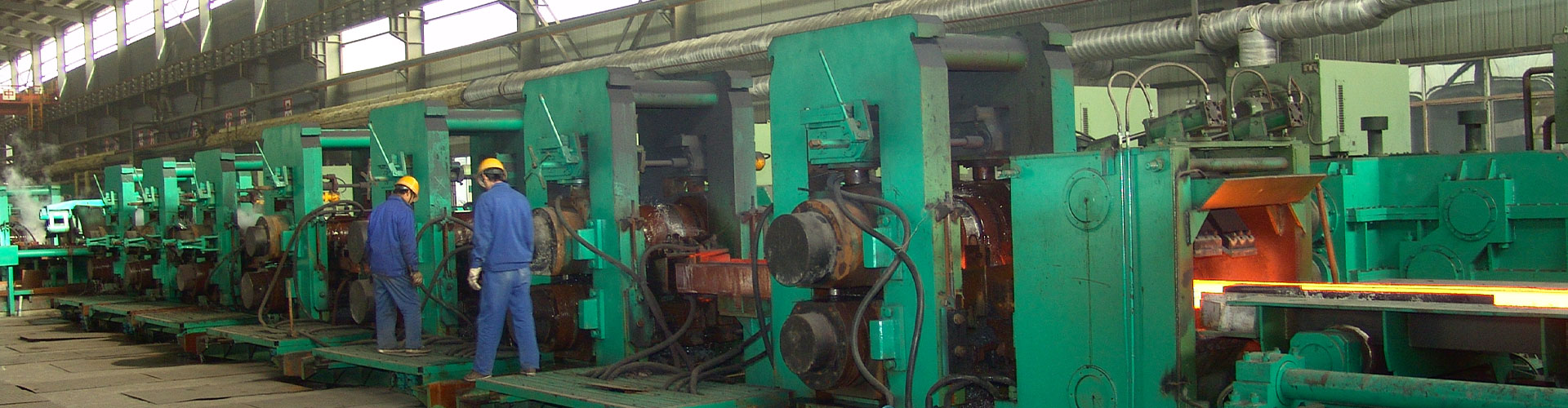
- Быстрый износ основных частей: Вибрация создает несбалансированную нагрузку на подшипники., ролики и муфты. Эти детали страдают от частичного износа и неплотной установки.. Рулон, срок службы которого обычно составляет шесть месяцев, может сломаться через три месяца.. Подшипники часто перегреваются или блокируются., и затраты на обслуживание удваиваются.
- Разрушенный фундамент мельницы: Непрерывная сильная вибрация приводит к неравномерной осадке фундамента.. Он ослабляет анкерные болты, деформирует станину мельницы и трескает сварочные швы. Последующий ремонт обойдется дороже и займет больше времени.. В тяжелых случаях даже требуется полная замена оборудования..
- Цепная реакция ошибок: Вибрация распространяется по всей производственной линии. Смещается и изнашивается направляющие и опорные ролики.. Затем полоски сбиваются с пути или ломаются., что отнимает больше производственного времени.
1.2 Видимая потеря качества готовой стали
- Нестандартная форма пластины: Вибрация делает давление валков нестабильным во время прокатки.. Полоски получаются неравномерными по толщине, сформировать выпуклость или волнистые края. Эти продукты не соответствуют заводским стандартам, поэтому их классификацию понижают или отправляют на слом..
- Плохое состояние поверхности: Вибрация вызывает случайное трение между полосами., ролики и направляющие. Царапины, на стальных поверхностях появляются вмятины и питтинги. Эти недостатки снижают ценность продукта..
- Чрезмерные размерные ошибки: Нестабильный ход завинчивания под воздействием вибрации приводит к тому, что ширина и толщина полосы выходят за пределы допуска.. Сталь не соответствует требованиям последующих клиентов и задерживает доставку заказов.
2 Пять основных причин сильной вибрации мельницы (100% Соответствует сценариям мастерской)
2.1 Нестабильный фундамент & Ослабленные анкерные болты
Распространенные случаи на месте: Рабочие пропускают затяжку болтов после замены или капитального ремонта валков.. Длительное время работы приводит к наклону основания мельницы, и вибрация растет с каждым днем.
2.2 Несбалансированные или неравномерно изношенные рабочие валки
Ключевое напоминание: Многие заводы пропускают испытания динамической балансировки после замены валков.. Эта распространенная ошибка создает длительную вибрацию и ускоряет износ роликов и подшипников..
2.3 Несоосные или изношенные муфты (Легко упустить из виду скрытый риск)
Быстрое решение на местах: Ясный шум вблизи секций муфты, а также более сильная вибрация на более высоких скоростях почти всегда указывают на несоосность или истирание муфты..
2.4 Изношенные подшипники или неправильный внутренний зазор
Связанное примечание: Плохая смазка подшипников и длительная эксцентриковая нагрузка ускоряют повреждение подшипников и вызывают вторичную вибрацию..
2.5 Необоснованные параметры процесса прокатки
3 Практичные 5-ступенчатые решения по снижению вибрации для использования непосредственно на месте
Шаг 1 Осмотрите и укрепите фундамент мельницы
- Остановите мельницу и проверьте все анкерные болты.. Затяните ослабленные болты и немедленно замените поврежденные или отсутствующие.. Запланируйте полную проверку болтов каждые три дня.. Подтягивайте все болты после каждой без исключения замены или капитального ремонта валков..
- Проверьте, не наклоняется ли корпус мельницы. Свяжитесь с профессиональными командами, чтобы укрепить фундамент, как только вы заметите признаки поселения.. Это предотвращает превращение небольших неисправностей в серьезные неисправности..
Шаг 2 Калибровка рабочих валков для устранения дисбаланса
- Своевременно измельчать валки с неравномерным износом или дефектами поверхности.. Держите валки в горизонтальном положении и следите за равномерным износом на обоих концах..
- Полная динамическая калибровка баланса для каждого вновь установленного рулона.. Равномерная центробежная сила во время работы позволяет избежать вибрации, вызванной дисбалансом..
- Регулярно проверяйте подшипники качения.. Быстрая замена изношенных или сломанных подшипников. При сборке отрегулируйте зазор подшипника строго по техническим нормам..
Шаг 3 Перенастройте муфты, чтобы исправить неравномерную передачу мощности
- Проверка муфт во время технического обслуживания при остановке. Немедленно заменяйте изношенные узлы и устаревшие эластичные компоненты..
- Калибровка соосности муфты. Держите центральные оси двигателя и фрезы на одной прямой, чтобы предотвратить неравномерную вибрацию мощности.. Отметьте калиброванные позиции и периодически перепроверяйте их..
Шаг 4 Оптимизация параметров прокатки для снижения ударных нагрузок
- Строго контролировать толщину поступающих слябов. Запретить сырье с резкими колебаниями толщины, чтобы избежать внезапных изменений нагрузки на заводе..
- Поддерживайте постоянную скорость прокатки. Избегайте частого ускорения или замедления. Отрегулируйте уменьшение завинчивания небольшими, несколько патронов и отбраковывать перегруженную прокатку.
- Установите согласованные параметры прокатки для различных марок стали и толщины слябов.. Эти настройки уменьшают резкие колебания нагрузки во время производства..
Шаг 5 Проводите регулярные проверки для раннего предотвращения неисправностей.
- Проверка корпусов мельниц, рулоны, муфты и подшипники перед ежедневным запуском. Следите за незакрепленными деталями, странный шум или сигналы перегрева.
- Каждую неделю проводите полную проверку мельницы. Сосредоточьтесь на скрытых рисках вибрации и сразу устраняйте небольшие проблемы.. Не позволяйте незначительным неисправностям расширяться.
- Придерживайтесь планового технического обслуживания смазки всех движущихся частей.. Полная смазка снижает трение и связанную с ним вибрацию..
4 Три распространенных неправильных действия на месте (Дорогостоящие ошибки, которых следует избегать)
- Слепое усиление рамы мельницы без проверки первопричин
Затягивание рамы лишь временно маскирует вибрацию.. Вместо этого вибрационная нагрузка передается на другие компоненты.. Все детали изнашиваются быстрее, и более поздний рост платы за обслуживание.
- Заменяйте ролики несколько раз, игнорируя тесты на динамическую балансировку.
Рабочие вибрируют из-за низкого качества валков и часто меняют валки.. Они пропускают калибровку баланса, тратить бюджет на запасные части и не остановить повторяющуюся вибрацию.
- Увеличьте скорость и увеличьте сокращение для ускорения производства.
Операторы игнорируют очевидную вибрацию и нажимают на мельницу сильнее, чтобы добиться большей производительности.. Уровень дефектов резко подскочил, и могут возникнуть серьезные неисправности, такие как перелом ролика или деформация рамы.. Окончательные потери намного перевешивают краткосрочный прирост производства..