الدور الحاسم لرولات مطحنة القرص في درفلة الفولاذ الحديثة
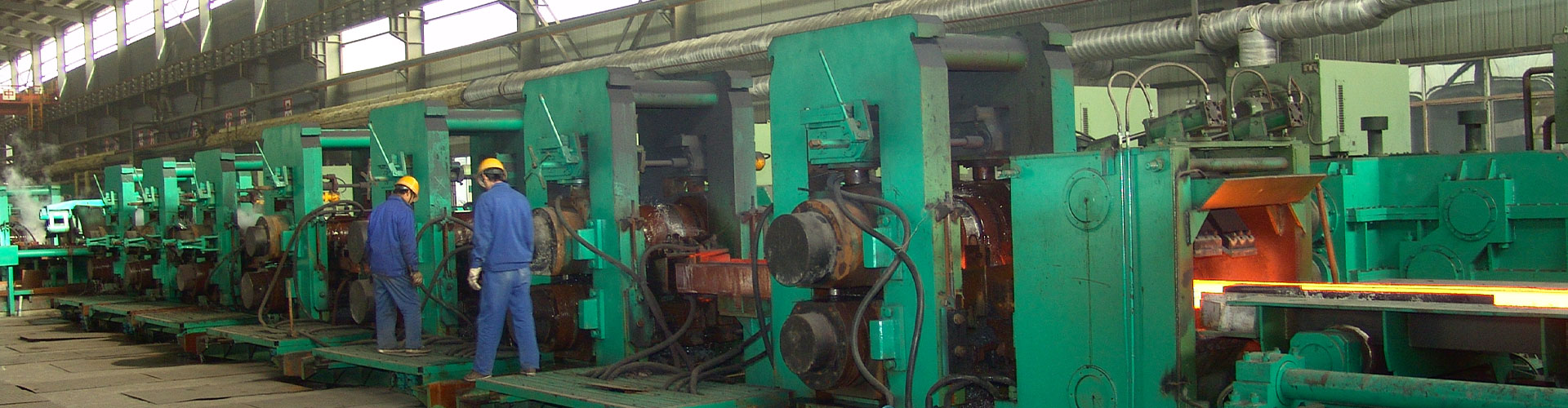
في عالم إنتاج قضبان الأسلاك عالية السرعة, السيطرة هي كل شيء. تخيل رقيقة, أسلاك الفولاذ الساخنة الحمراء, السفر بسرعات أكثر 100 متر في الثانية, الخروج من مطحنة التشطيب. الحفاظ على استقرار هذا السلك, مستقيم, والتحرك بسلاسة يمثل تحديًا هندسيًا كبيرًا. هذا هو المكان الذي تلعب فيه لفات مطحنة القرص. إنهم يعملون كالدقيق, الأيدي الثابتة التي توجه قضيب السلك, ضمان الجودة ومنع حوادث الإنتاج المكلفة.
يتم وضعه بشكل استراتيجي بين قسم تبريد الماء ورأس التمديد (الآلة التي تقوم بلف السلك), تؤدي لفات القرص مهمة تبدو بسيطة: إنهم يمسكون بالسلك ويدفعونه للأمام. لكن, وظيفتها دقيقة وحيوية للغاية لسيناريوهات الإنتاج المختلفة في مجال درفلة الفولاذ.
لماذا قرصة رولز ضرورية? ترويض عدم الاستقرار عالي السرعة
عند إنتاج قضبان سلكية صغيرة الحجم, سرعات الدوران عالية بشكل لا يصدق. بهذه السرعات, السلك عرضة للاهتزاز الشديد وعدم الاستقرار. تساهم عدة عوامل في هذه المشكلة:
- تدفق المياه المضطربة: تعمل نفاثات الماء عالية الضغط في قسم التبريد على خلق اضطراب يمكن أن يتسبب في رفرفة السلك خفيف الوزن بشكل لا يمكن السيطرة عليه.
- اختلال: حتى الانحرافات الطفيفة في استقامة خط الوسط المتداول يمكن أن تحدث تذبذبات في السلك سريع الحركة.
- التأثيرات الميكانيكية: كما يمر السلك من خلال معدات التوجيه وأنبوب رأس التمديد, يمكن تضخيم التأثيرات الصغيرة إلى اهتزازات كبيرة.
- الإمساك غير المتكافئ: بدون قوة استقرار, أي اختلاف طفيف يمكن أن يؤدي إلى حركة غير متناسقة.
هذا الاهتزاز ليس مجرد مشكلة بسيطة. يمكن أن يؤدي ذلك إلى تدهور جودة الملف النهائي بشدة, تسبب في انحشار السلك ("حصاة"), تؤدي إلى تشابكات فوضوية, وتسريع تآكل المعدات باهظة الثمن. إن لفة مطحنة القرص هي الحل النهائي لهذا التحدي.
وظائف مزدوجة: التكيف مع أحجام الأسلاك المختلفة
يتغير دور بكرات مطحنة القرص ديناميكيًا بناءً على حجم السلك الذي يتم إنتاجه.
1. للأسلاك ذات المقياس الصغير (المتداول عالي السرعة)
في هذا السيناريو, الهدف الأساسي هو القضاء على الاهتزاز. تحقق بكرات القرص ذلك من خلال تطبيق قوة تثبيت دقيقة والدوران بسرعة خطية أعلى قليلاً من سرعة الخروج لحامل مطحنة التشطيب النهائي. هذا يخلق طفيف, التوتر الخاضع للرقابة في السلك بين المطحنة ووحدة لفة القرص. تمامًا مثل سحب الخيط المشدود يجعله مستقيمًا وثابتًا, هذا التوتر يخفف بشكل فعال جميع الاهتزازات, ضمان دخول السلك إلى رأس التمديد بسلاسة ويشكل ملفًا مثاليًا.
2. للأسلاك ذات المقياس الكبير (المتداول بسرعة منخفضة)
لأكبر, سلك أثقل, سرعات المتداول أقل, والاهتزاز أقل إثارة للقلق. هنا, تظهر مشكلة مختلفة: ال نهاية الذيل من السلك. بمجرد أن يغادر الطرف الخلفي موقف مطحنة التشطيب النهائي, لم يعد هناك قوة تدفعه إلى الأمام. بسبب وزنه والاحتكاك في قسم التبريد, يمكن أن تفقد زخمها وتفشل في الوصول إلى الرأس المستلقي. تعمل لفات القرص على حل هذه المشكلة من خلال العمل كـ انتهازي. إنهم يمسكون بطرف الذيل ويدفعونه للأمام بسرعة ثابتة, التأكد من مروره عبر الخط بأكمله ولفه بشكل صحيح دون توقف.
الترتيب النموذجي والهيكل الميكانيكي
تعد وحدة لفة مطحنة القرص الحديثة تحفة فنية في الهندسة الميكانيكية عالية السرعة. يتم ترتيبه عادةً على نفس الجانب من خط التدحرج مثل محرك رأس الوضع من أجل نقل الطاقة بشكل مبسط. يتكون الهيكل الأساسي من:
- مبيت علبة التروس: غلاف قوي يحتوي على نظام النقل.
- تروس ناقل الحركة: مجموعة من التروس الأسطوانية عالية الدقة (إما مستقيمة أو حلزونية) التي تنقل الطاقة من عمود الإدخال إلى أعمدة اللف. يضمن الترس الوسيط تدوير اللفائف العلوية والسفلية في نفس الاتجاه للإمساك بالسلك.
- مهاوي: يتضمن رمح الإدخال, مهاوي وسيطة, وأعمدة اللف النهائية التي تحمل حلقات اللف.
- حلقات رول: هذه هي نقاط الاتصال مع السلك. لتحمل التآكل الشديد, غالبًا ما تكون مصنوعة من كربيد التنجستن. هناك ممارسة ذكية وفعالة من حيث التكلفة تتمثل في إعادة استخدام حلقات اللف البالية من مطحنة التشطيب.
- نظام هوائي: توفر الأسطوانة الهوائية قوة التثبيت, الضغط على لفة واحدة ضد الأخرى للإمساك بالسلك. يسمح هذا النظام بالتحكم السريع والدقيق في ضغط الإمساك.
معلمات الأداء الرئيسية والمواصفات
يتم تحديد أداء وحدة لفة مطحنة القرص من خلال العديد من المعلمات الهامة. تم تصميم الوحدات الأكثر تقدمًا في العالم لتحقيق سرعات وموثوقية لا تصدق.
| المعلمة | القيمة النموذجية / يتراوح | دلالة |
|---|---|---|
| أقصى سرعة للتصميم | حتى 140 آنسة | يمثل الحد الأعلى لقدرة الوحدة, حاسمة لترقيات مطحنة المستقبل. |
| سرعة عمل مضمونة | 120 آنسة | أقصى سرعة مستمرة يمكن الاعتماد عليها, الإنتاج اليومي. |
| سرعة رمح لفة | زيادة 10,000 دورة في الدقيقة | يشير إلى سرعات الدوران القصوى التي يجب أن تتعامل معها المحامل والتروس. |
| نطاق قطر قضيب السلك | 5.5 مم - 25 مم | نطاق أحجام المنتجات التي يمكن للوحدة التعامل معها بفعالية. |
| قوة لقط | قابل للتعديل (هوائي) | يجب التحكم فيه بدقة للإمساك به دون الإضرار بسطح السلك. |
تصميم ناقل الحركة: مرحلة واحدة مقابل. متعدد المراحل
يمكن تصميم علبة التروس التي تحرك البكرات بطريقتين رئيسيتين, ولكل منها مقايضاتها الخاصة.
انتقال مرحلة واحدة
هذا التصميم مدمج وبسيط ميكانيكيا, مع عدد أقل من التروس ونقاط التشحيم. غالبًا ما يتم تفضيله بسبب حجمه الأصغر.
- برو: بسيط, هيكل مدمج.
- برو: أجزاء متحركة أقل, صيانة أسهل.
- يخدع: سوء تبديد الحرارة بسبب السكن المدمج.
- يخدع: مساحة محدودة للإصلاحات والتفتيش.
انتقال متعدد المراحل
يستخدم هذا التصميم المزيد من التروس لتحقيق نسبة السرعة المطلوبة. علبة التروس أكبر وأكثر تعقيدًا.
- برو: تبديد حرارة ممتاز بسبب مساحة السطح الأكبر.
- برو: وصول أفضل للصيانة.
- يخدع: هيكل أكثر تعقيدًا مع المزيد من نقاط التشحيم.
- يخدع: بصمة مادية أكبر وتكلفة أولية أعلى.
بغض النظر عن التصميم, يتم دعم الأعمدة عالية السرعة بواسطة محامل متخصصة. محامل فيلم الزيت تُستخدم عادةً للتعامل مع الأحمال الشعاعية الهائلة بسرعات دوران عالية, بينما محامل الكرة الاتصال الزاوي يتم استخدامها لتحديد موضع الأعمدة بشكل محوري بدقة.
في ملخص, إن لفة مطحنة القرص هي أكثر بكثير من مجرد مجموعة بسيطة من البكرات. إنها عالية الدقة, قطعة قابلة للتكيف من المعدات التي تعتبر أساسية لتحقيق السرعة والجودة المطلوبة في درفلة الفولاذ الحديثة. من خلال توفير الاستقرار الحاسم للأسلاك ذات القطر الصغير والدفع الأساسي للأسلاك ذات القطر الكبير, فهو يساهم بشكل مباشر في زيادة الإنتاجية, جودة منتج أفضل, وأكثر أمانا, عمليات مطحنة أكثر موثوقية.