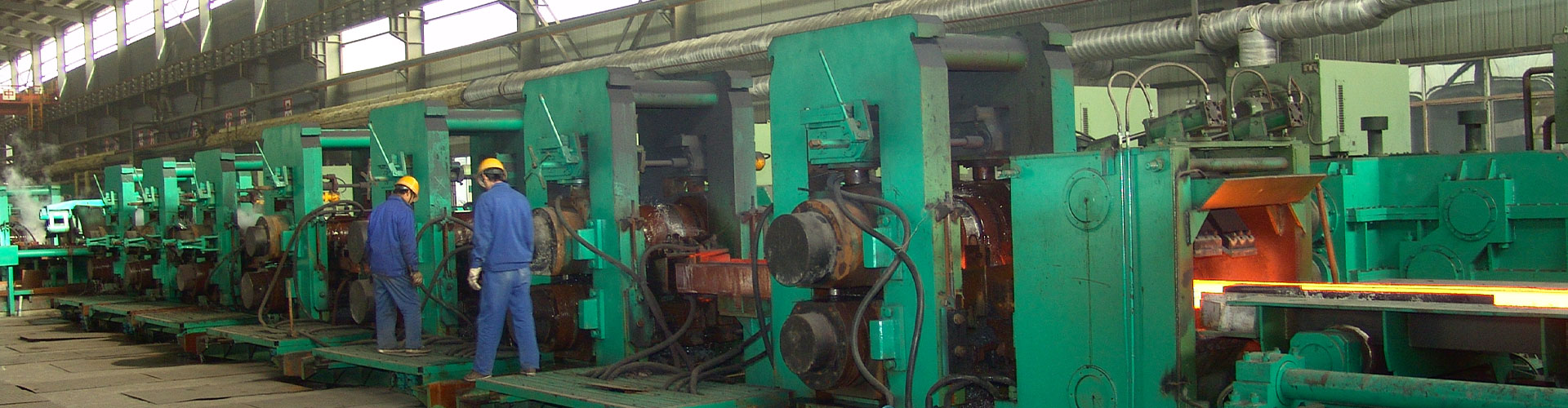
تعتبر المقصات الطائرة حيوية في عمليات درفلة الفولاذ الحديثة. يقومون بقطع القضبان أو الشرائط الفولاذية المتحركة بأطوال دقيقة دون إيقاف خط الإنتاج. وهذا يبقي كل شيء يعمل بسلاسة وكفاءة. إذا كنت تعمل في مصنع للصلب, أنت تعرف مدى الإحباط الذي يحدث عندما يتوقف الإنتاج عن القطع. المقصات الطائرة تحل هذه المشكلة. إنهم يتعاملون مع السرعات العالية ويقدمون قطعًا نظيفة في كل مرة. دعنا نستكشف كيفية عملها وسبب أهميتها لعملياتك اليومية.
في المتداول الصلب, المهمة الرئيسية للمقص الطائر هي قطع الفولاذ أثناء حركته. تخيل قضبان الفولاذ الساخنة وهي تتجول في المصنع 100 متر في الدقيقة أو أكثر. إن إيقافهم عن التخفيضات من شأنه أن يهدر الوقت والطاقة. تتزامن المقصات الطائرة مع سرعة الفولاذ, صنع سريع, شرائح دقيقة. يحدث هذا في مناطق مختلفة من الخط المتداول. على سبيل المثال, في المنطقة الخشنة, يقطعون الرأس لإزالة العيوب. في منطقة التشطيب, يقومون بقص الذيل للحصول على مقاس مثالي. أثناء حالات الطوارئ, يقومون بتكسير الفولاذ إلى قطع صغيرة لمنع الضرر. وبالنسبة للمنتجات النهائية, يتم قطعها بأطوال محددة، مثل قضبان البناء بطول 12 مترًا. كل هذا يضمن أن مخرجاتك تلبي المعايير الصارمة دون تباطؤ.
لماذا تعتمد المطاحن على المقصات الطائرة كثيرا؟? أولاً, أنها تطابق إنتاج المصنع. إذا كانت مطحنة الدرفلة الخاصة بك تنتج 100 طن في الساعة, يجب أن يستمر القص الطائر. ثانية, تتحرك شفرات القص بالسرعة المناسبة. إذا كانت الشفرة بطيئة جدًا, فهو يثني الفولاذ; سريع جدًا, ويمزقها. يقوم المشغلون بضبط هذا بعناية للحصول على قطع نظيف. ثالث, لقد حصلوا على تفاوتات صارمة. تتطلب معظم المطاحن قطعًا في حدود ±2 مم من الطول المستهدف. تحقق المقصات الطائرة ذلك باستمرار, حتى تمر منتجاتك بفحوصات الجودة في كل مرة. بدونهم, ستواجه تأخيرات, المواد المهدرة, والعملاء غير الراضين.
المقصات الطائرة تأتي في عدة أنواع, كل منها مناسب لمهام محددة. يعتمد اختيار النوع المناسب على درجة الفولاذ لديك, سرعة, واحتياجات المنتج. أقل, نقوم بتفكيك الأنماط الشائعة بتفاصيل العالم الحقيقي. هذه ليست مجرد نظرية، بل هي ما ينجح على أرض المتجر. على سبيل المثال, المقصات من النوع الكرنك هي أدوات عمل في العديد من المطاحن, بينما تتألق النماذج الدوارة في الإعدادات عالية السرعة. دعونا نتعمق في كل نوع.
| نوع القص الطائر | السرعة القصوى (م/بي) | دقة القطع (مم) | التطبيقات المشتركة | المزايا الرئيسية |
|---|---|---|---|---|
| نوع كرنك | 150-200 | ±2.0 | مناطق التخشين والتشطيب لحديد التسليح, قضيب سلكي | متين, تكلفة صيانة منخفضة, يتعامل مع الأحمال الثقيلة حتى 50 قطر مم |
| الروتاري | 200-300 | ±1.5 | خطوط عالية السرعة للصلب الهيكلي, القضبان | عملية سلسة, الحد الأدنى من الاهتزاز, مثالية للأقسام الرقيقة تحت 20 مم |
| القرص | 100-150 | ±3.0 | مطاحن البار, تطبيقات ذات سرعة أقل | تصميم بسيط, تغييرات سهلة للشفرة, فعالة من حيث التكلفة للمطاحن الصغيرة |
| البندول | 80-120 | ±2.5 | خطوط أبطأ للأقسام الثقيلة, مثل الازهار | عزم دوران قوي للمواد السميكة, يمكن الاعتماد عليها في البيئات المتربة |
| مجموع | 180-250 | ±1.8 | المطاحن الحديثة المتكاملة لمنتجات متعددة | مرن, قابلة للبرمجة لأطوال مختلفة, يقلل من وقت التحول |
انظر إلى المقص الطائر من نوع الكرنك، فهو المفضل لدى العديد من المطاحن. لماذا? إنها تستخدم آلية كرنك بسيطة صعبة وسهلة الإصلاح. في خط إنتاج حديد التسليح النموذجي, يعمل في 180 م/دقيقة بدقة ±1.8 مم. يحبها المشغلون لأنه يتم استبدال الشفرات 30 دقائق. أبلغت إحدى المطاحن في ولاية أوهايو عن تقليل وقت التوقف عن العمل بنسبة 40% بعد التحول إلى هذا النوع. للوظائف عالية السرعة, المقصات الطائرة الدوارة تغير قواعد اللعبة. أنها تدور شفرات بشكل مستمر, ضرب 280 م/دقيقة على خطوط السكك الحديدية. يبقى سطح القطع سلسًا, وهو ما يهم لتطبيقات اللحام. فقط تذكر: تحتاج النماذج الدوارة إلى محاذاة دقيقة. اختلال في 0.5 مم يمكن أن يسبب نتوءات, لذا فإن الفحوصات المنتظمة هي المفتاح.
تعتبر المقصات القرصية الطائرة رائعة للعمليات الصغيرة. يستخدمون أقراصًا دوارة تقطع الفولاذ مثل قاطعة البيتزا. في مطحنة شريط المتداول 12 قضبان مم, سرعات تبقى حولها 120 م/دقيقة بدقة ±2.7 مم. الشفرات تدوم 5,000 القطع قبل الشحذ - لفترة أطول بكثير من الموديلات القديمة. أنواع البندول تتعامل مع الأشياء الثقيلة. يفكر 100 ملم مربع تزهر تتحرك في 100 م/بي. توفر حركتها المتأرجحة قوة عالية دون إجهاد المحرك. يستخدمها مصنع للصلب في ألمانيا لقطع الألواح, تحقيق تسامح ± 2.2 مم حتى في المناطق ذات الحرارة العالية. توفر المقصات الطائرة المدمجة أكبر قدر من المرونة. إنهم يمزجون بين ميزات الساعد والدوار, مما يتيح لك التبديل بين أوضاع القطع بسرعة. للمطاحن التي تنتج كلاً من حديد التسليح وقضبان الأسلاك, وهذا يوفر ساعات في كل وردية.
تُظهر بيانات العالم الحقيقي كيف تعمل المقصات الطائرة على تعزيز الكفاءة. في مطحنة المتداول 500,000 طن سنويا, الترقية إلى القص الطائر الحديث خفض معدلات الخردة من 3% ل 1.2%. هذا 9,000 أطنان إضافية من الفولاذ القابل للبيع سنويًا. كيف? مطابقة أفضل للسرعة. تتزامن وحدة التحكم في حركة القص مع PLC الخاص بالمطحنة, التعديل في الوقت الحقيقي لتغيرات درجة حرارة الفولاذ. يتحرك الفولاذ البارد بشكل أبطأ, لذلك يتباطأ القص أيضًا. وهذا يمنع التمدد أو التواء. أيضًا, صلابة الشفرة مهمة - HRC 58-62 تدوم الشفرات الفولاذية لفترة أطول وتعطي حواف أكثر نظافة. نصيحة واحدة: استخدم دائمًا سائل التبريد أثناء القطع. فهو يقلل من تراكم الحرارة, إطالة عمر الشفرة عن طريق 25%.
لا يقتصر إعداد المقص الطائر على التثبيت فقط. عليك أن تأخذ في الاعتبار خصائص الفولاذ الخاص بك. يتم قطع الدرجات الناعمة مثل الفولاذ منخفض الكربون بشكل أسهل من السبائك عالية القوة. ل 400 ميغاباسكال الصلب, تقليل السرعة عن طريق 10% لتجنب تآكل الشفرة. تحديد المواقع أمر بالغ الأهمية أيضا. تثبيت القص 2-3 أمتار بعد الموقف الأخير لتدفق المواد المستقر. قريب جدًا, والاهتزازات تفسد القطع; بعيدا جدا, ويبرد الفولاذ بشكل غير متساو. تستخدم العديد من المطاحن أجهزة استشعار لتتبع تآكل الشفرة. عندما ينخفض سمك أدناه 80% من الأصل, حان الوقت للتغيير. يؤدي تجاهل ذلك إلى ظهور حواف خشنة تفشل في اختبارات الجودة.
تحافظ الصيانة على تشغيل المقصات الطائرة بشكل جيد. يوميًا, تحقق من الضغط الهيدروليكي - يجب أن يبقى بينهما 120-150 شريط للتشغيل السلس. أسبوعي, فحص فجوات الشفرة; يجب أن يكونوا كذلك 0.1-0.3 مم للفولاذ الرقيق. سنوي, استبدل المحامل لمنع اختلال المحاذاة. مطحنة في البرازيل خفضت تكاليف الصيانة بنسبة 30% باستخدام الأدوات التنبؤية. يقومون بمراقبة مستويات الاهتزاز، إذا تجاوزت ذلك 4 مم/ثانية, إنهم يخدمون مبكرًا. هذا يتجنب التوقف غير المخطط له. أيضًا, تدريب فريقك على التعديلات السريعة. على سبيل المثال, يستغرق تغيير طول القطع على المقص المدمج دقائق معدودة باستخدام البرنامج المناسب, ولكن ساعات بدونها.
غالبًا ما تختار المطاحن الجديدة المقصات الطائرة بناءً على الاحتياجات المستقبلية. إذا كنت تقوم بإضافة إنتاج الصلب عالي القوة, اختر الأنواع الدوارة أو المركبة. يتعاملون مع سرعات تصل إلى 300 م/دقيقة دون التضحية بالدقة. لتحديث الخطوط القديمة, أنواع الكرنك ميسورة التكلفة وموثوقة. اختبر دائمًا باستخدام العينة أولاً. يجري 100 يقطع بالسرعة المستهدفة ويقيس الأطوال. إذا انتهى 5% خارج المواصفات, تعديل توقيت القص. تُحدِث التعديلات الصغيرة اختلافات كبيرة — حيث يتم تغيير وقت بدء تشغيل الشفرة 0.02 يمكن للثواني تحسين الدقة عن طريق 0.5 مم.
المقصات الطائرة ليست مجرد آلات; إنهم شركاء إنتاجية. عندما يتم إعداده بشكل صحيح, إنهم يحولون الاختناقات المحتملة إلى سير عمل سلس. فكر في آخر مشكلة واجهتها في الإنتاج، هل كانت مشكلة تتعلق بالقطع؟? يمكن أن يكون ترقية القص الطائر هو الحل. ابدأ بتدقيق بسيط: تتبع دقة القطع على مدار أسبوع. إذا تجاوزت الاختلافات ±3 مم, استكشاف خيارات مثل النماذج الدوارة. سيلاحظ فريقك عددًا أقل من الاختناقات وعملاء أكثر سعادة. وتذكر, يعتمد أفضل مقص طائر لمطحنتك على ما تقوم بتدويره اليوم وغدًا.