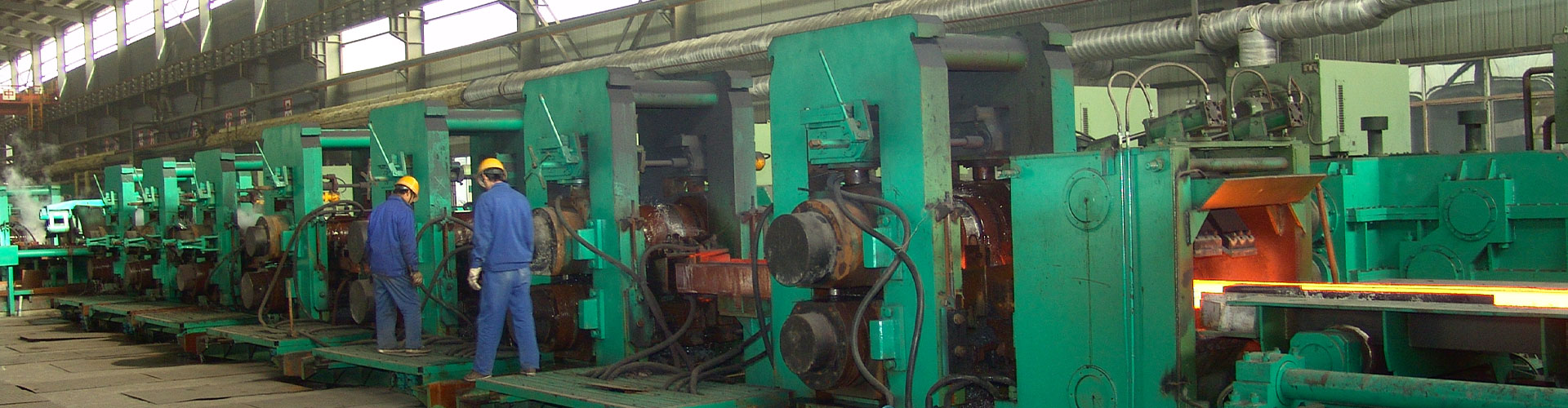
لتبدأ, يحد تآكل اللف من جودة المنتج وعمر خدمة اللف في إنتاج الدرفلة العالمي. لهذا السبب, تستخدم هذه الدراسة البيانات الموجودة في الموقع ونظريات التآكل الكلاسيكية. في أثناء, فهو يلخص آليات تآكل اللفة وقواعد توزيع التآكل غير المتساوي. بجانب, فهو يحلل العوامل المؤثرة الرئيسية في الدرفلة على الساخن. بالإضافة إلى, كما يوفر أساليب التحسين والصيانة العملية. أخيرًا, اختيار لفة دليل النتائج, إدارة الدورة وإنتاج الصلب المقطعي المستقر.
1. مقدمة
أولاً, قسم الصلب المتداول يعتمد تقنية تمرير التمرير الخاصة. نتيجة ل, فهو ينتج تشوهًا معدنيًا معقدًا ثلاثي الأبعاد. بالمقارنة, تعتبر ظروف الاحتكاك والاتصال أكثر تعقيدًا من الدرفلة المسطحة.
فضلاً عن ذلك, يتراكم تآكل اللفة بشكل مستمر أثناء الإنتاج الضخم. والأسوأ من ذلك, يؤدي التآكل غير المتساوي الخطير إلى انحراف الأبعاد وعيوب السطح. علاوة على ذلك, كما أنه يؤدي إلى حالات متدحرجة غير مستقرة. وفقاً لذلك, يساعد إتقان قوانين تآكل اللفائف على تقليل استهلاك اللفائف وتحسين استقرار الإنتاج.
2. آليات التآكل الرئيسية لبكرات المطحنة العالمية
لتبدأ, يقوم العمال بتقييم ظروف اللفة من خلال حمولة الصلب التراكمية. أثناء الدرفلة على الساخن, يوجد انزلاق مستمر بين الفراغات الساخنة وأسطح اللفائف المبردة. في أثناء, الانزلاق الأمامي والانزلاق الخلفي موجودان في كل تمريرة متدحرجة.
بشكل عام, الملابس المعدنية لديها سبعة أنواع أساسية. خاصة, تشمل الأشكال الشائعة التآكل اللاصق, ارتداء المسببة للتآكل, ارتداء التعب وارتداء جلخ. في الحقيقة, يأتي التآكل الفعلي للفة من آليات متعددة مقترنة بدلاً من سبب واحد.
بخاصة, الحمل المتداول, تحدد ظروف السرعة والتبريد نوع التآكل السائد. بمجرد أن تتغير ظروف العمل, ستتغير آلية التآكل الرئيسية وتسريع تلف اللفة.
من ناحية, يشكل الدرفلة على الساخن بيئة أكسدة ذات درجة حرارة عالية ومياه تبريد. على الجانب الآخر, طبقة الأكسيد تضعف قوة الترابط السطحي. بالتالي, غالبًا ما يحدث التقشير الدقيق وفقدان الجسيمات على الأسطح الملفوفة.
بصرف النظر عن ذلك, يؤدي الحمل الدوري وتقلبات درجة الحرارة إلى تلف إجهاد التلامس. الأهم من ذلك, يهيمن التآكل اللاصق والتآكل على درفلة الصلب في القسم. في أثناء, يلعب التآكل الناتج عن التعب دورًا مساعدًا في التسارع.
باختصار, تشير قدرة تآكل اللفة إلى الحد الأقصى من التآكل الشعاعي بعد حمولة التدحرج الثابتة. كمرجع, يدعم نموذج ارتداء آرتشارد التحليل الكمي. لذلك, يزداد حجم التآكل مع حمل التلامس ويتناقص مع صلابة السطح.
3. قانون توزيع التآكل غير المتساوي لتمرير اللفة
من الكشف الميداني على المدى الطويل, تظهر ميزات التآكل غير المتساوي المستقر على ممرات لفة الفولاذ.
قبل كل شيء, وترتفع درجة التآكل تدريجيًا من جدران التمرير الجانبية إلى الزوايا الداخلية. لهذا السبب, تشكل زوايا التمرير دائمًا أقصى مساحة للتآكل. في أثناء, ينخفض حجم التآكل ببطء من الحواف السفلية إلى المركز.
إجمالي, إن التآكل السفلي أثقل من تآكل الجدار الجانبي. بجانب, يتمتع السطح السفلي أيضًا بتوحيد تآكل أفضل من الجدران الجانبية. على الرغم من أن الحمولات المتداولة المختلفة تسبب اختلافات طفيفة في القيمة, إنهم لا يغيرون أبدًا اتجاه التآكل الثابت غير المتساوي.
4. تحليل الأسباب المتعددة العوامل للتآكل غير المتساوي
4.1 الانزلاق التفاضلي يسبب احتكاكًا غير متوازن
أولاً, تمر لفة تلامس قطع العمل ذات الشكل الخاص في أوقات مختلفة. هكذا, تختلف حالات الانزلاق بشكل كبير عند منفذ التدحرج.
بشكل ملحوظ, تتمتع زوايا المرور السفلية بأصغر قطر للفة وأدنى سرعة خطية. وفقاً لذلك, ينتجون أكبر انزلاق للأمام. تدريجياً, يتناقص الانزلاق الأمامي مع ارتفاع قطر اللفة باتجاه مركز التمرير.
عندما تتطابق سرعة اللف مع سرعة قطعة العمل, تصبح قيمة الانزلاق صفراً. على العكس من ذلك, تولد أقطار اللفة الأكبر انزلاقًا للخلف. ونتيجة لذلك, تخلق حالات الانزلاق المختلطة توزيعًا غير متساوٍ للاحتكاك. بشكل طبيعي, الزوايا والمناطق السفلية تعاني من التآكل المركز.
4.2 يؤدي فقدان الطبقة المبردة إلى صلابة غير متساوية
بدءًا, اللفات الجديدة تتلقى معالجة حرارية متكاملة. لذلك, أنها تشكل طبقة مبردة عالية الصلابة 50-60 ملم. في هذه المرحلة, تتمتع التمريرات الجديدة بصلابة مستقرة ومقاومة جيدة للتآكل.
مع ذلك, يؤدي التقليب والطحن المتكرر إلى إزالة الطبقات المبردة جزئيًا. تبعًا, تدخل بعض مناطق المرور إلى طبقات انتقالية منخفضة الصلابة. معًا, تغير درجة حرارة الدرفلة العالية الهياكل المعدنية السطحية.
على مدى عملية طويلة الأمد, تستمر اختلافات الصلابة المحلية في التوسع. بدوره, تظهر مواضع التمرير المختلفة مقاومة تآكل غير متناسقة. مؤخراً, يظهر تآكل غير متساوٍ واضح في التمريرات.
4.3 تغيرات درجة الحرارة غير المتوازنة ومقاومة التشوه
رياضيا, تتبع مقاومة تشوه قطعة العمل علاقة درجة حرارة أسية سلبية: ك=أنا⁻ᵐT. ببساطة, درجة الحرارة المنخفضة تجلب مقاومة أعلى للتشوه وحمل دوران أكبر.
في الممارسة العملية, الفراغات الفولاذية المقطعية لها توزيع غير متوازن لدرجة الحرارة. خاصة, درجة حرارة الويب أعلى من درجة حرارة الشفة. على نفس المنوال, درجة حرارة جذر الحافة أعلى من درجة حرارة نهاية الحافة.
لهذا السبب, تتحمل مناطق الحافة ذات درجة الحرارة المنخفضة احتكاكًا وضغطًا أكبر. في المقابل, تتآكل مواضع التمرير المطابقة بشكل أسرع. من الواضح, يعد اختلاف درجات الحرارة سببًا رئيسيًا للتآكل غير المتساوي.
4.4 3D يؤدي التشوه إلى حدوث حمل متدحرج غير مستقر
حسب التعريف, ينتمي قسم درفلة الصلب إلى تشوه بلاستيكي نموذجي ثلاثي الأبعاد. في واقع الأمر, الويب والشفة لهما معدلات تخفيض مختلفة.
من ناحية, مناطق التشوه الكبيرة مقيدة بمناطق التشوه الصغيرة. على الجانب الآخر, التوتر الداخلي والضغط يغيران قواعد تدفق المعدن الأصلية. حتى الاختلافات الصغيرة في التخفيض تسبب تقلبًا واضحًا في قوة التدحرج.
بسبب توزيع الحمل غير المتوازن, كل موضع تمرير يحمل مستويات احتكاك مختلفة. في الواقع, تنتج هذه الحالة معدلات تآكل متنوعة على سطح التمرير بأكمله.
5. تحسين العمليات وإجراءات الصيانة العلمية المضادة
بناءً على آليات التآكل المذكورة أعلاه, يوفر هذا الجزء تحسينات مستهدفة. على نطاق واسع, ويغطي المعلمات المتداول, تجهيز لفة والتحكم في درجة الحرارة.
5.1 تحسين المعلمات المتداول
قيد التشغيل, ضبط نسب تخفيض الويب والشفة بشكل معقول. بهذه الطريقة, يمكن أن يظل الامتداد المعدني والانزلاق غير المتزامن متوازنين. نتيجة ل, يقلل توزيع الاحتكاك الموحد من التآكل المركّز على الزوايا والقيعان.
5.2 توحيد الخراطة والطحن
أولا وقبل كل شيء, التحكم في عمق الدوران الفردي لحماية الطبقات المبردة. بشكل دوري, كشف صلابة التمرير بانتظام. بالإضافة إلى ذلك, مطابقة المناطق ذات الصلابة العالية مع مناطق لف الفلنجة ذات التحميل العالي.
إضافي, تطبيق التعزيز المحلي على الزوايا والقيعان الضعيفة. بهذه الطريقة, يمكن تحسين مقاومة التآكل المحلية بشكل كبير.
5.3 تحسين توحيد التدفئة الفارغة
لحل مشاكل التدرج الحراري, تحسين التحكم في درجة حرارة الفرن وعمليات التسخين المسبق. إذا تقلصت الفجوة في درجة حرارة شفة الويب, ستبقى مقاومة التشوه مستقرة. وبذلك, يتم توزيع الحمل المتداول والاحتكاك بالتساوي.
5.4 تحديث معايير استبدال القوائم
عند تقييم صحة اللفة, حالة لفة الحكم من خلال حمولة الفولاذ والتآكل الشعاعي الفعلي. طوال الإنتاج اليومي, تعزيز التفتيش على مواقف التمرير الضعيفة. قبل ظهور العيوب أو الاهتزازات, استبدال أو إعادة طحن القوائم مقدما.
6. خاتمة
أولاً, تُظهر لفات المطحنة العالمية ميزات التآكل غير المتساوي النموذجية. خاصة, زوايا التمرير لها التآكل الأكثر خطورة, ويكون التآكل السفلي أثقل من تآكل الجدار الجانبي.
ثانية, يشكل الانزلاق المعدني غير المتزامن والتشوه المعقد ثلاثي الأبعاد السبب الأساسي للتآكل غير المتساوي. دون القضاء على هذين العاملين, لا يمكن التحكم في التآكل غير المتساوي بشكل أساسي.
ثالث, توهين الطبقة المبردة, تؤدي الصلابة غير المتوازنة ودرجة حرارة قطعة العمل غير المتساوية إلى تفاقم اختلافات التآكل. تماما, تعمل هذه العوامل المساعدة الثلاثة على تضخيم فقدان المواد المحلية أثناء التمريرات.
الرابع, تحسين المعلمة, يعمل الطحن الموحد والتحكم الدقيق في درجة الحرارة على منع التآكل المركز بشكل فعال. على المدى الطويل, تعمل هذه التدابير على تثبيت جودة المنتج وخفض إجمالي استهلاك اللفة.