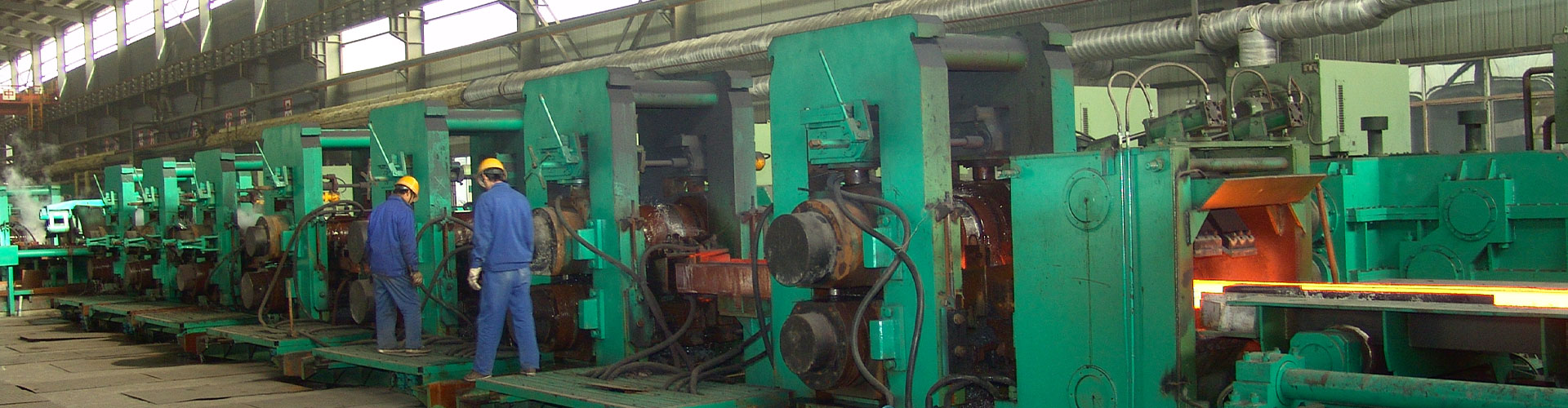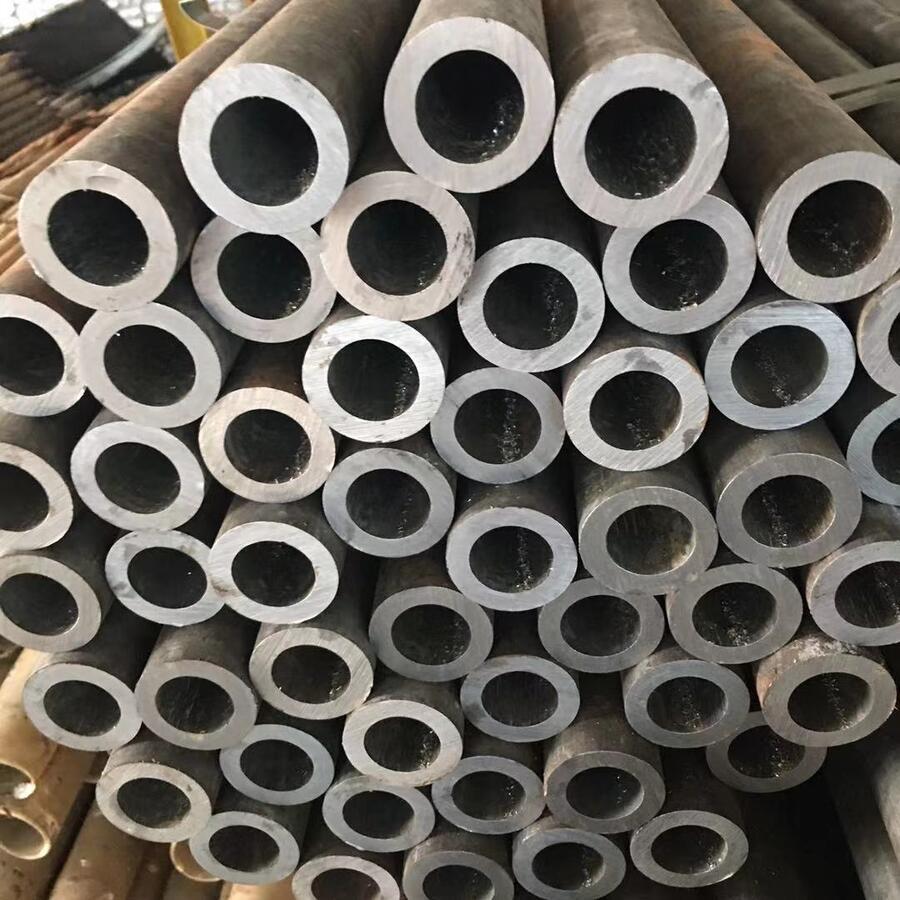
Rolls appeared along with the birth of rolling mill equipment. The development history of rolling rolls witnesses the technological progress of the entire steel rolling industry. Early rolls adopted simple sand mold integral casting. With technological iteration, metal mold casting was gradually invented and popularized.
A major technological leap occurred when manufacturers began pouring rolls through tangential gates at the bottom of casting molds. As the steel rolling industry advanced, rolling equipment put forward higher and more stringent requirements for roll comprehensive performance. Modern rolls need high surface hardness, excellent wear resistance, strong impact resistance and thermal crack resistance, as well as stable anti-slip performance. Mientras tanto, the roll core requires high strength, anti-fracture capability and small deformation.
These surface and core performance requirements are mutually contradictory in traditional integral rolls. To solve this technical bottleneck, researchers developed semi-flushing and full-flushing composite casting technologies, which laid a solid foundation for the upgrading of composite roll manufacturing.
1. Early Composite Roll Casting Technology
1.1 Semi-Flushing Composite Casting Method
The semi-flushing method pours alloy molten iron from the bottom of the casting mold. Workers stop pouring when the molten iron reaches the junction of the upper roll neck and the roll barrel. After standing for a certain period, a hard outer shell forms on the roll barrel surface.
Operators add a certain amount of silicon iron powder to the remaining molten iron in the ladle and stir evenly. Then they resume pouring to complete the roll forming. This process effectively improves the strength and toughness of the roll core while ensuring surface wear resistance.
1.2 Full-Flushing Composite Casting Method
The full-flushing method follows a similar pre-pouring process. After the roll barrel forms a solid outer shell, workers replace the original molten iron with high-strength core molten iron. The new molten iron continues to pour from the bottom gate and squeezes out the original core molten iron through the riser.
This thorough replacement realizes complete separation of high-performance outer layer and high-toughness core material. The birth of flushing composite rolling technology marks the second major leap in the development history of rolling rolls.
2. Iterative Evolution of Eight Generations of Centrifugal Composite Rolls
En 1968, Japan Kubota successfully developed the first centrifugal composite cast iron roll. This innovation perfected modern composite roll manufacturing technology. Over the past 35 años, centrifugal composite roll technology has achieved rapid iterative upgrades and gradually formed eight complete technical generations.
2.1 First Generation: Chilled and Indefinite Chilled Composite Rolls
The outer layer of the first-generation rolls adopts chilled cast iron or indefinite chilled cast iron with high hardness and wear resistance. The roll core uses ordinary gray cast iron with good toughness. The core technical breakthroughs of this generation focus on mature centrifugal composite technology, independent development of protective slag and stable cold mold coating preparation technology.
2.2 Second Generation: Ductile Core Composite Rolls
The second generation retains chilled cast iron or indefinite chilled cast iron for the outer working layer. It upgrades the core material from gray cast iron to ductile iron. This upgrade greatly improves the core strength and anti-fracture performance. The key technical difficulty is eliminating the adverse effect of black lines in the bonding layer on roll peeling resistance.
2.3 Third Generation: Ductile Iron Composite Rolls
Both the outer layer and core of the third-generation rolls adopt alloy ductile iron materials. This consistent material system optimizes the bonding stability of the composite layer. The core technical challenge is effectively preventing spheroidization recession and remelting defects of the outer ductile iron during centrifugal casting.
2.4 Fourth Generation: High-Chromium Composite Cast Iron Rolls
The fourth-generation rolls apply high-chromium cast iron as the outer working layer, matching with ductile iron cores. High-chromium materials significantly improve roll wear resistance and thermal stability. The main technical problem is controlling chromium element diffusion from the outer layer to the core, which easily causes core strength reduction and roll fracture. Three-layer composite structure is adopted in extreme working conditions to avoid failure risks.
2.5 Fifth Generation: High-Chromium Composite Cast Steel Rolls
The outer layer is upgraded to high-chromium cast steel with higher strength and toughness. The core still uses ductile iron or graphite steel. This generation further optimizes comprehensive mechanical properties. The key technologies include suppressing chromium diffusion and accurately calibrating centrifugal composite process parameters.
2.6 Sixth Generation: Composite Cast Steel and Semi-Steel Rolls
The sixth-generation rolls adopt alloy steel or semi-steel for the outer layer, paired with ordinary cast steel or graphite steel cores. It balances high wear resistance and impact resistance. The core research directions are precise setting of centrifugal forming parameters and independent development of high-melting-point protective slag suitable for steel-based materials.
2.7 Seventh Generation: High-Speed Steel and Semi-High-Speed Steel Composite Rolls
The outer working layer uses high-speed steel or semi-high-speed steel with excellent red hardness and wear resistance. The optional core materials include ductile iron, graphite steel and forged steel. This generation greatly improves roll service life and high-temperature fatigue resistance. The technical keys are accurate centrifugal process parameter matching and scientific formulation of integral heat treatment schemes.
2.8 Eighth Generation: Tungsten Carbide Composite Rolls
The eighth generation represents the latest advanced roll technology. The outer layer adopts advanced amorphous materials such as tungsten carbide and ceramic steel. The core uses high-strength ductile iron or cast steel. It achieves ultra-high hardness, ultra-wear resistance and super corrosion resistance. The main technical difficulties include stabilizing centrifugal molding parameters and eliminating casting cracks caused by shrinkage stress of high-performance alloy materials.
3. Development Summary of Modern Rolling Rolls
The entire development history of rolling rolls follows a clear technological upgrading logic. It evolves from early simple integral casting to semi-flushing and full-flushing composite casting, and finally iterates to eight generations of mature centrifugal composite rolls.
Each generation of technological upgrade solves the performance contradiction between roll surface wear resistance and core toughness. Modern eighth-generation composite rolls break through the material limits of traditional cast iron and cast steel. They provide high-reliability core components for high-speed, high-precision and high-load modern steel rolling production.