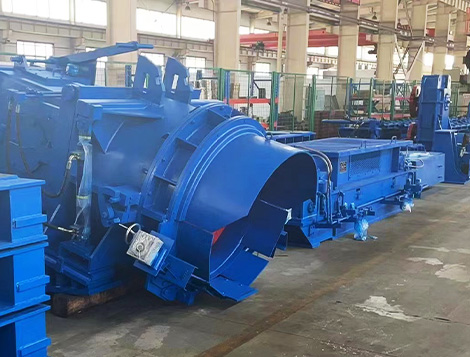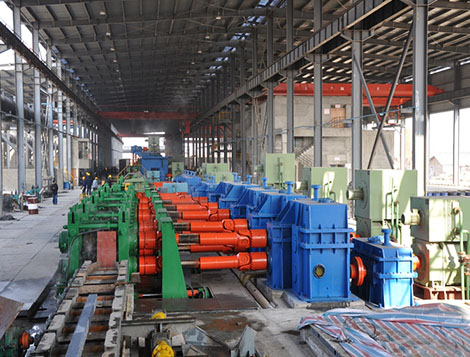
El desbaste y el laminado intermedio son la base de una empresa estable. laminador en caliente. En esta etapa, el billete todavía es grande, la temperatura es alta, y cada uno soporte de laminador requiere una gran reducción. Si un soporte no está ajustado correctamente, el error se traslada a las siguientes gradas. El resultado pueden ser adoquines., bucles, ranuras demasiado llenas, ranuras poco llenas, daño de la guía, mala precisión dimensional, defectos superficiales, o tensión inestable en el tren de acabado.
En una barra moderna o alambrón. proceso de laminación, el molino de desbaste descompone el tocho, El molino intermedio da forma y controla la sección., y el molino de acabado proporciona el tamaño y la superficie finales. El trabajo principal de ajuste durante el desbaste y el laminado intermedio es sencillo de decir pero exigente en la práctica.: mantener la pieza enrollada centrada, correctamente llenado, dimensionalmente calificado, y estable en cada pasada.
1. Papel del ajuste en el desbaste y laminación intermedia
Los molinos de desbaste e intermedios suelen funcionar con caja., oval, redondo, diamante, cuadrado, o pases de conformación especiales. El acero caliente se reduce paso a paso.. La fuerza de rodadura es elevada en los soportes de desbaste., mientras que la velocidad y la sensibilidad dimensional se vuelven más importantes en los soportes intermedios. En ambas áreas, el operador debe controlar cómo fluye el material en la ranura del rodillo.
El ajuste correcto proporciona cuatro resultados visibles:
- El proceso de laminación es suave., sin morder el shock, caída repentina de velocidad, o corriente inestable.
- El tamaño del material laminado está dentro del rango de control requerido por el siguiente stand..
- La forma del stock es normal., sin aletas, plegable, retortijón, flexión severa, o relleno unilateral.
- La distribución de la reducción está equilibrada., para que ningún soporte se sobrecargue y ningún soporte quede casi inactivo.
En líneas de alambrón de alta velocidad y barras pequeñas, El desbaste y el laminado intermedio a menudo utilizan laminado de baja tensión o microtensión.. El control de tensión podrá realizarse desde el pupitre de control principal., Pero el juicio todavía se hace en el suelo del molino.. Los operadores comprueban el comportamiento del stock entre stands, fluctuación de corriente del motor, condición de bucle donde se utilizan bucles, y cambios de tamaño después de cada pasada.
2. Principales elementos de ajuste durante el proceso de laminación en caliente
A laminador el soporte no funciona solo. Espacio entre rollos, espacio libre de guía, alineación de ranura, enfriamiento del rodillo, velocidad de parada, temperatura de entrada, y la tensión están unidas. Cuando un elemento cambia, otro elemento puede necesitar corrección. La siguiente tabla ofrece una descripción práctica para los equipos de producción..
| Elemento de ajuste | Propósito principal | Método de verificación típico | Riesgo común si es incorrecto |
|---|---|---|---|
| Ajuste del espacio entre rodillos | Controlar la reducción y el tamaño de la sección saliente. | Medir la altura de la muestra, ancho, diagonal, ovalidad, o pasar llenado | Demasiado grande, tamaño insuficiente, aletas, sobrecargar, mordida inestable |
| Configuración de la guía de entrada | Centre la culata en la ranura. | Observar la posición de las acciones., marca de desgaste de la guía, comportamiento de cabecera | Relleno unilateral, rascarse, rodando fuera de la ranura, adoquín |
| Configuración de guía de salida y guía de giro | Lleve el material sin problemas al siguiente stand, rotar la sección cuando sea necesario | Comprobar ruta de stock, ángulo de giro, vibración, temperatura guía | error de giro, quema de guías, puntuación de superficie, mala alimentación de la cabeza |
| Coordinación de la velocidad del stand | Mantener una tensión baja y estable entre soportes. | Corriente del motor, comportamiento del bucle, hundimiento de acciones, tendencia de dimensión | Besuqueo, cambio de propagación, pandeo, marcas de tensión, adoquín |
| Alineación de rollos | Mantenga la línea central del pase correcta | Compruebe el cuello enrollado, línea de pase, ventana de soporte, holgura del rodamiento | Flexión lateral, desgaste desigual, sección asimétrica |
| Ajuste del agua de refrigeración | Controlar el desgaste térmico de la corona y la ranura del rodillo. | Comprobar la presión del agua, dirección de la boquilla, color de la superficie del rollo | Craqueo térmico, tamaño de ranura desigual, desconchado por rodillos |
3. Parámetros de proceso típicos como referencia
Los valores reales dependen del grado del acero., tamaño de la palanquilla, práctica del horno, tamaño del producto, diseño de pase, rigidez del molino, material en rollo, y horario de velocidad. Los siguientes rangos son comunes en la producción de barras y alambrón y son útiles como punto de partida para verificar si la condición del molino es razonable..
| Parámetro | Gama típica del molino de desbaste | Rango típico del molino intermedio | nota de producción |
|---|---|---|---|
| Temperatura de entrada del billete | 1050–1200°C | Generalmente después del desbaste, alrededor de 950-1100°C | La baja temperatura aumenta la fuerza de rodadura y puede causar una mala mordida o grietas en la superficie.. |
| Coeficiente de alargamiento de una sola pasada | 1.15–1,45 | 1.10–1,35 | Una mayor reducción mejora la productividad pero aumenta la sensibilidad de la carga y la guía.. |
| Reducción de área por pasada | 13–31% | 9–26% | Mantenga la distribución de reducción suave. Evite un gran salto entre stands vecinos. |
| velocidad de rodadura | 0.2–3,0 m/s | 2–15 m/s | La velocidad aumenta a medida que el área de la sección se hace más pequeña. Mantenga la relación de velocidad combinada con el alargamiento. |
| Objetivo de tensión entre stands | Tensión casi nula o pequeña | Tensión baja y estable. | Una tensión grande reduce el tamaño de la sección y puede enmascarar problemas de separación entre rodillos. |
| Presión del agua de refrigeración del rodillo | 0.2–0,5 MPa | 0.3–0,6 MPa | El impacto y la cobertura de la boquilla importan más que la presión sola. |
| Espacio libre del rodillo guía | Tamaño del stock + 0.5–2,0 milímetros | Tamaño del stock + 0.3–1,5 milímetros | Demasiado apretado provoca rayaduras y calor.; demasiado flojo causa oscilación y desalineación. |
4. Ajuste del espacio entre rollos: El centro del entorno del molino
El ajuste del espacio entre rodillos es la forma más directa de controlar el tamaño saliente. En desbaste y laminado intermedio, afecta la reducción, desparramar, condición de mordida, carga del motor, pase de llenado, y el tamaño entregado al siguiente stand. Un espacio entre rodillos correcto no debe juzgarse únicamente por la posición del tornillo o el historial de campaña anterior.. Debe ser confirmado por el material rodado real..
4.1 Qué comprobar antes de cambiar la separación entre rollos
- Tamaño de la muestra: Medir altura, ancho, diagonales, y condición de las esquinas según el tipo de pase.
- Llenado de pases: Compruebe si el metal alcanza el límite de ranura diseñado sin producir aletas.
- Corriente del motor: Un aumento repentino de la corriente puede significar una reducción excesiva, temperatura baja, o configuración de guía incorrecta.
- Forma de acción: Doblar, retortijón, o las orejas unilaterales a menudo indican problemas de guía o alineación, no solo espacio entre rollos.
- Temperatura: Una palanquilla más fría necesita una mayor fuerza de laminación y puede mostrar una dispersión menor de lo esperado..
4.2 Síntomas y correcciones comunes de la brecha entre rollos
| Condición observada | causa probable | Acción de ajuste | Precaución |
|---|---|---|---|
| La sección de salida es demasiado alta y estrecha. | Espacio entre rodillos demasiado grande, o la tensión aguas arriba es demasiado baja | Reduzca ligeramente la distancia entre rollos; comprobar la relación de velocidad | No cerrar demasiado a la vez; comprobar la carga del motor. |
| La sección de salida es demasiado ancha y baja. | Espacio entre rodillos demasiado pequeño, reducción excesiva, o alta tensión después del soporte | Abra la brecha entre rodillos o reduzca la tensión aguas abajo | Verifique el riesgo de aletas en la próxima pasada. |
| Aparecen aletas en ambos lados. | Sobrellenado, reducción excesiva, ranura desgastada | Abrir espacio entre rollos; inspeccionar el desgaste de la ranura y el tamaño entrante | Las aletas pueden doblarse en la siguiente pasada y convertirse en defectos superficiales.. |
| Aleta unilateral o relleno unilateral | Desplazamiento del centro de la guía, movimiento axial del rodillo, pasar desalineación | Guía correcta y línea de paso antes de cambiar el espacio. | Cambiar la brecha por sí solo puede empeorar el defecto. |
| La cabeza de stock se inclina después de la salida | Reducción desigual, guía de salida incorrecta, relleno de pase asimétrico | Comprobar nivelación del rollo, apertura de guía, y alineación del stand | Inclinar la cabeza aumenta el riesgo de adoquines en el siguiente puesto. |
Para muchos molinos, Los pequeños cambios correctivos en la separación entre rodillos en soportes intermedios a menudo se realizan en el rango de 0.1–0,5 milímetros a la vez. En soportes de desbaste, el paso de ajuste puede ser mayor porque la sección es más grande, pero siempre hay que vigilar la carga rodante. Grandes cambios sin muestreo pueden cambiar toda la cadena de tamaño posterior.
5. Ajuste de guía: Mantener las acciones en el camino correcto
El equipo de guía a menudo se subestima. En realidad, Las buenas guías son tan importantes como los buenos rollos.. Las guías de entrada centran el material entrante en la ranura.. Las guías de salida controlan la dirección después de rodar.. Las guías de giro giran la culata cuando la secuencia de pasada requiere un giro de 45° o 90°. Las guías de rodillos reducen la fricción y se utilizan ampliamente en molinos de barras y alambrón de alta velocidad..
5.1 Espacio libre para la guía de entrada del rodillo
El espacio de la guía de entrada del rodillo generalmente se establece antes de la instalación.. Durante la producción normal, no debe ajustarse con frecuencia. Si se forma un adoquín y es necesario eliminar el material atascado cambiando la separación entre rodillos., la guía debe restablecerse antes de reiniciar. Una guía que se abre para una extracción de emergencia y no se reinicia es una causa común del siguiente adoquín..
5.2 Salir de la configuración de la guía de giro
Las guías de giro deben coincidir con la secuencia de pasada.. Por ejemplo, una secuencia de óvalo a redondo puede requerir una orientación precisa del material. Si el ángulo de giro es incorrecto, el pase redondo puede recibir un óvalo en el ángulo incorrecto, provocando llenado unilateral y dimensiones inestables. Un pequeño error angular puede volverse grave a alta velocidad..
- Compruebe que los rodillos guía giren libremente y no tengan marcas de agarrotamiento..
- Confirme que la línea central de la guía esté alineada con el centro del paso del rollo..
- Asegúrese de que la punta guía no esté demasiado cerca del rollo., para evitar quemaduras y contacto mecánico.
- Observe si la culata sale suavemente sin un movimiento lateral repentino..
- Después del cambio de rollo, Vuelva a comprobar la altura de la guía y la posición lateral antes de alimentar acero..
6. Ajuste de tensión entre soportes de laminador
La tensión es uno de los factores más sensibles en el proceso de laminación en caliente. Cuando la tensión aumenta entre dos stands, la acción se retira. Su área de sección transversal tiende a disminuir., y la longitud aumenta. Cuando se produce compresión o empuje., el caldo puede espesarse, hebilla, o formar un bucle. Ambas condiciones afectan la precisión dimensional y la estabilidad de rodadura..
En desbaste y laminado intermedio, El objetivo suele ser una tensión pequeña y estable.. En las fábricas más antiguas, el valor exacto a menudo no se mide directamente, entonces los operadores lo juzgan por la velocidad, corriente del motor, forma de bucle, y tendencia de tamaño. En molinos más nuevos, Los sistemas de control utilizan cascada de velocidad., escáneres de bucle, estimadores de tensión, y comentarios actuales.
6.1 Cómo cambia la tensión el tamaño del rollo
| Condición de tensión | señal visible | Efecto en la sección | Idea de corrección |
|---|---|---|---|
| Tensión excesiva hacia adelante | Las existencias son escasas, la corriente del soporte aguas arriba puede caer | La sección se hace más pequeña.; la extensión del ancho puede reducirse | Reduzca la velocidad descendente o ajuste la relación de cascada |
| Compresión entre gradas | Olas bursátiles, hebillas, o el bucle sube demasiado | La sección puede volverse más grande o inestable | Aumente la velocidad aguas abajo o reduzca la velocidad aguas arriba |
| Baja tensión estable | Ruta de valores suave, corriente constante del motor | Condición dimensional más estable | Mantenga la relación de velocidad y controle después de los cambios de temperatura. |
6.2 Método de campo para laminación de baja tensión
Un método útil es comparar el tamaño medido antes y después de una pequeña corrección de velocidad.. Si un soporte muestra un tamaño calificado sin tensión pero se vuelve pequeño cuando aumenta la velocidad del siguiente soporte, El cambio de dimensión es causado por la tensión., no rodar espacio. Esta es la razón por la que el ajuste de la separación entre rodillos y el ajuste de la tensión deben considerarse juntos..
- Tome una muestra en condiciones de rodadura estables..
- Registrar la corriente del motor y la velocidad del soporte..
- Haz una pequeña corrección de velocidad., generalmente dentro del rango de instrucciones de operación.
- Compruebe si el tamaño de la sección cambia en la misma dirección que la tensión..
- Si el tamaño cambia fuertemente, tensión correcta primero. Si el tamaño sigue siendo incorrecto, espacio entre rodillos correcto.
7. Llenado de paso y flujo de metal
El llenado de pasada le indica al operador si el acero fluye correctamente en la ranura.. El llenado insuficiente significa que la ranura no se utiliza por completo., y es posible que el stock saliente no coincida con el siguiente pase. El llenado excesivo significa que el metal se ve obligado a salir del límite de la ranura., a menudo formando aletas o vueltas. Ambas condiciones reducen la calidad del producto..
La propagación del metal depende de muchos factores.: reducción, diámetro del rollo, fricción, temperatura, grado de acero, pasar forma, forma de la sección de entrada, y tensión. Una temperatura más alta y una mayor reducción generalmente aumentan la propagación.. Una mayor tensión directa generalmente reduce la dispersión.. Las ranuras desgastadas también cambian el flujo del metal porque la forma real de la pasada ya no coincide con el dibujo..
8. Desgaste del rollo, Corona Térmica, y control de enfriamiento
Los rollos no tienen una geometría fija durante la producción.. Se desgastan mecánicamente y cambian de forma térmicamente.. La superficie de la ranura entra en contacto con acero caliente a alta presión.. La escala actúa como un abrasivo.. El agua de refrigeración reduce la temperatura del rodillo, pero una mala dirección de la boquilla puede crear un enfriamiento desigual y estrés térmico.
En soportes de desbaste, El desgaste de los rodillos suele ser intenso debido a la gran escala y la alta reducción.. En gradas intermedias, la sensibilidad dimensional aumenta, por lo que incluso un desgaste moderado de la ranura puede provocar una desviación del tamaño. Los operadores deben comparar el surco real con el dibujo del pase después del rodaje de la campaña.. Si el pase está usado, El cierre repetido del espacio entre rodillos puede no resolver el problema porque la forma de la ranura en sí ha cambiado..
| condición de rollo | signo de producción | Posible efecto | Acción recomendada |
|---|---|---|---|
| Desgaste de ranura | El tamaño varía gradualmente; la superficie se vuelve rugosa | Mal llenado, demasiado grande, forma de pase inestable | Compensar dentro del límite; programar cambio de rodillo o cambio de ranura |
| Corona térmica | Cambios de tamaño después de la puesta en marcha., luego se estabiliza | Los espacios cambian bajo el calor, especialmente en campañas largas | control de calentamiento; enfriamiento estable y muestreo después del estado estacionario |
| Grietas térmicas | Red de grietas finas en la superficie del rodillo | Marcas superficiales en el producto; riesgo de rotura del rollo si es severo | Mejorar la refrigeración; Inspeccionar el material en rollo y las prácticas de molienda. |
| Enfriamiento desigual | Un lado del rollo más caliente; la sección se vuelve asimétrica | Deriva de tamaño unilateral y desgaste desigual | Boquillas limpias; ángulo de pulverización y distribución del flujo correctos |
9. Alineación del soporte del molino y control de la línea de paso
A soporte de laminador Debe mantener los rollos en la posición correcta bajo carga.. Si el soporte tiene revestimientos sueltos, calzos desgastados, holgura del rodamiento, o posicionamiento axial del rodillo incorrecto, El centro de pase real puede moverse durante el rodaje.. Esto provoca asimetría en la sección y dificulta el ajuste de la guía..
La altura de la línea de pase debe verificarse después del cambio de rollo., reemplazo de rodamientos, mantenimiento del stand, o adoquín anormal. En molinos continuos, La línea de paso de las gradas vecinas debe funcionar como un solo sistema.. Un error de altura en un soporte puede empujar la culata hacia la guía en el siguiente soporte y crear una fuerza lateral..
- Compruebe el contacto del collarín del rodillo y el bloqueo axial antes de la producción..
- Confirme que las superficies de asiento de los calzos estén limpias y no dañadas..
- Mida la altura de la línea de paso después de cambiar los juegos de rodillos.
- Inspeccionar el desgaste de la ventana del soporte y el estado del revestimiento..
- Esté atento a defectos unilaterales repetidos después de la guía y la corrección de espacios; Esto a menudo significa problemas de alineación..
10. Ajuste inicial después del cambio de rollo
El cambio de rodillos es uno de los momentos de mayor riesgo en el proceso del laminador. Nuevas ranuras para rodillos, restablecer guías, condiciones de rodamiento cambiadas, y los laminados en frío afectan a los primeros tochos. Una rutina de arranque cuidadosa evita los adoquines y reduce los desechos.
11. Medición dimensional durante la producción
Las dimensiones de desbaste e intermedias no siempre son dimensiones del producto final., pero siguen siendo críticos. El tren de llegada sólo puede corregir dentro de un rango limitado. Si el stock intermedio es demasiado grande, Los soportes de acabado pueden sobrecargarse y producir aletas.. Si es demasiado pequeño, el producto final puede ser de tamaño insuficiente o estar mal lleno.
La medición debe centrarse en la dimensión que controla la siguiente pasada.. Para una sección cuadrada, medir lado y diagonal. para un óvalo, medir alto y ancho. para una ronda, medir el diámetro en varios ángulos. Para un proceso de laminación en hendidura, Mida el material antes de cortarlo con especial cuidado porque una sección madre incorrecta puede causar graves problemas posteriores..
| Tipo de sección | Principales dimensiones a medir | herramienta útil | Lo que te dice el resultado |
|---|---|---|---|
| Cuadrado | longitud lateral, diagonal, condición de esquina | Calibrar, calibre de perfil | Muestra el espacio entre rollos, pase de llenado, y condición de alineación |
| Oval | Altura, ancho, simetría | Calibrar, plantilla | Muestra difundida, tensión, y desgaste de las ranuras |
| Redondo | Diámetro a 0°, 45°, 90°, 135° | Calibrar, medidor láser si está disponible | Muestra ovalidad y preparación para el acabado. |
| Plano o rectángulo | Espesor, ancho, comba | Calibrar, borde recto | Muestra equilibrio de reducción y nivelación de balanceo. |
12. Lógica de ajuste para problemas comunes de producción
La resolución rápida de problemas es valiosa en la planta de procesamiento. Sin embargo, la acción rápida aún debe seguir la lógica. Un mismo defecto puede provenir de diferentes causas.. Por ejemplo, una sección pequeña puede deberse a una separación estrecha entre los rodillos, alta tensión hacia adelante, tamaño entrante bajo, o desgaste excesivo en un paso aguas arriba. La siguiente tabla proporciona puntos de partida prácticos..
| Problema | comprobar primero | Ajuste probable | no ignorar |
|---|---|---|---|
| Adoquín repetido en el mismo stand. | Configuración de guía, pasar alineación, forma de cabecera, relación de velocidad | Guía y velocidad correctas.; verificar la separación entre rodillos | Después de limpiar el adoquín, restablecer cualquier espacio del rodillo guía que se haya abierto. |
| El tamaño del producto fluctúa pieza por pieza | Consistencia de la temperatura del billete, tensión, ritmo de descarga del horno | Estabiliza la temperatura y la tensión entre soportes. | No persiga cada tocho con cambios en la separación entre rodillos. |
| El tamaño aumenta gradualmente | Desgaste de ranura, temperatura del rodillo, resorte del molino, distribución de reducción | Cerrar la separación dentro del límite seguro o cambiar la ranura | Es posible que la forma de la ranura desgastada no se corrija solo con la separación. |
| Arañazos superficiales | Agarre del rodillo guía, nariz guía, rugosidad de la ranura de laminación, acumulación de sarro | Reparar o reemplazar guía; Limpiar o cambiar la ranura del rodillo. | Los rayones pueden convertirse en costuras después de pasadas posteriores.. |
| Culata torcida | Ángulo de guía de giro, secuencia de pase, llenado unilateral | Correcto centrado de la guía de giro y de la guía de entrada | Un error de giro puede dañar la siguiente guía del soporte. |
| Corriente del motor demasiado alta | Temperatura del billete, espacio entre rollos, condición del rodamiento, reducción excesiva | Reducir la reducción si es necesario; Comprobar resistencia mecánica y calefactora. | Una carga elevada puede dañar los componentes impulsores y los rodillos.. |
13. Cómo la temperatura afecta el ajuste
La resistencia del acero disminuye a medida que aumenta la temperatura.. Esta es una de las razones por las que es posible laminar en caliente con grandes reducciones.. Si la temperatura del tocho es baja, La fuerza de rodadura aumenta y los cambios de comportamiento se propagan.. El mismo espacio entre rodillos puede producir un tamaño de salida diferente. La baja temperatura también aumenta el riesgo de grietas en la superficie., especialmente en aceros con alto contenido de carbono o aleados.
Diferencias de temperatura entre la cabeza., medio, y la cola también afectan el ajuste. La cola puede estar más fría porque permanece más tiempo en el aire.. Si los cambios de tamaño en la cola siempre están presentes, Es posible que el problema no sea la separación entre rodillos.. Puede ser perdida de temperatura, regulación de velocidad, o cambio de tensión en la cola.
14. Ejemplo: Flujo de ajuste para un soporte intermedio
Supongamos un intermedio soporte de laminador produce una sección ovalada para la siguiente ronda. La altura del óvalo medida es 1.2 mm más grande que el objetivo, mientras que el ancho es ligeramente menor. La corriente del motor es normal., y la trayectoria de las acciones es estable.
| Paso | Acción | Razón |
|---|---|---|
| 1 | Consulta el centrado de la guía de entrada y el llenado del pase. | Un óvalo centrado confirma que el defecto no se debe principalmente al desplazamiento de la guía.. |
| 2 | Verifique la tendencia de tensión entre rodales | La baja tracción aguas abajo puede permitir una sección más alta. |
| 3 | Si la tensión es normal, cerrar el espacio entre rodillos en una pequeña cantidad, como 0,2–0,3 mm | Reduce la altura y aumenta la extensión hacia el ancho objetivo.. |
| 4 | Tome una nueva muestra después de un rodamiento estable. | Confirma el efecto de ajuste después de que la temperatura y la tensión se estabilizan.. |
| 5 | Brecha final récord, velocidad, actual, y tamaño de la muestra | Crea una referencia confiable para la próxima campaña.. |
15. Notas del operador para desbaste estable y laminado intermedio
- Ajustar una variable principal a la vez. Si hay espacio entre rollos, guía, y la velocidad se cambian juntas, Se vuelve difícil saber qué acción resolvió o causó el problema..
- Mire atentamente la cabecera.. Muchos adoquines parten de una mala forma de la cabeza., ángulo de entrada incorrecto, u obstrucción de la guía.
- No ignores los pequeños defectos recurrentes. Una aleta ligera de un solo lado en el desbaste puede convertirse en un defecto de superficie plegada después de varias pasadas..
- Mantener registros de ajuste. Registro de tamaño de palanquilla, calificación, temperatura, espacio entre rollos, velocidad, actual, configuración de guía, y tamaño de muestra final.
- Revisar las boquillas de agua durante las paradas.. Es posible que una boquilla bloqueada no detenga la producción inmediatamente., pero puede acortar la vida útil del rollo y cambiar la estabilidad del tamaño..
- Separe los problemas de tamaño de los problemas mecánicos. Si la misma corrección falla repetidamente, inspeccionar la rigidez del soporte, aspectos, calzos, guías, y piezas de accionamiento.
16. Puntos de seguridad durante el ajuste
El trabajo de ajuste de rodadura se realiza cerca de acero caliente., equipo rotativo, sistemas hidráulicos, y agua a alta presión. La buena producción nunca debe realizarse a costa de la seguridad.. Los operadores deben seguir los procedimientos de bloqueo de la planta y nunca alcanzar las guías., rollos, o puntos de pellizco mientras el equipo puede moverse.
- Utilice herramientas aprobadas para quitar acero adoquinado.. No se pare en la posible dirección de recuperación elástica..
- Confirme la energía cero antes de la reparación de la guía, inspección de rollos, o trabajos de limpieza manual.
- Manténgase alejado de la línea de stock durante la mordedura., enhebrar, y cola.
- Use protección facial, guantes resistentes al calor, zapatos de seguridad, y ropa protectora.
- Comunicar cada ajuste con el operador del púlpito y los operadores de stand vecinos..
17. Una mentalidad de ajuste práctico
Un buen desbaste y laminado intermedio proviene de bases estables.. El tocho debe calentarse uniformemente.. El pase de rollo debe ser correcto.. Las guías deben sujetar la culata sin rayarla.. La distancia entre rodillos debe ofrecer la reducción adecuada.. Las velocidades del soporte deben mantener una tensión baja y constante.. El sistema de enfriamiento debe mantener los rollos en buenas condiciones de funcionamiento.. Cuando estos conceptos básicos están controlados, el laminador de acabado recibe una sección limpia y predecible.
Los mejores operadores no reaccionan simplemente ante los defectos. Leen el molino. Saben cuando un cambio de talla se debe al desgaste del rodillo, cuando se trata de tensión, y cuando se trata de temperatura. hacen pequeños, correcciones lógicas y confirmar el resultado con la medición. Este es el valor real del ajuste disciplinado en un laminador en caliente.