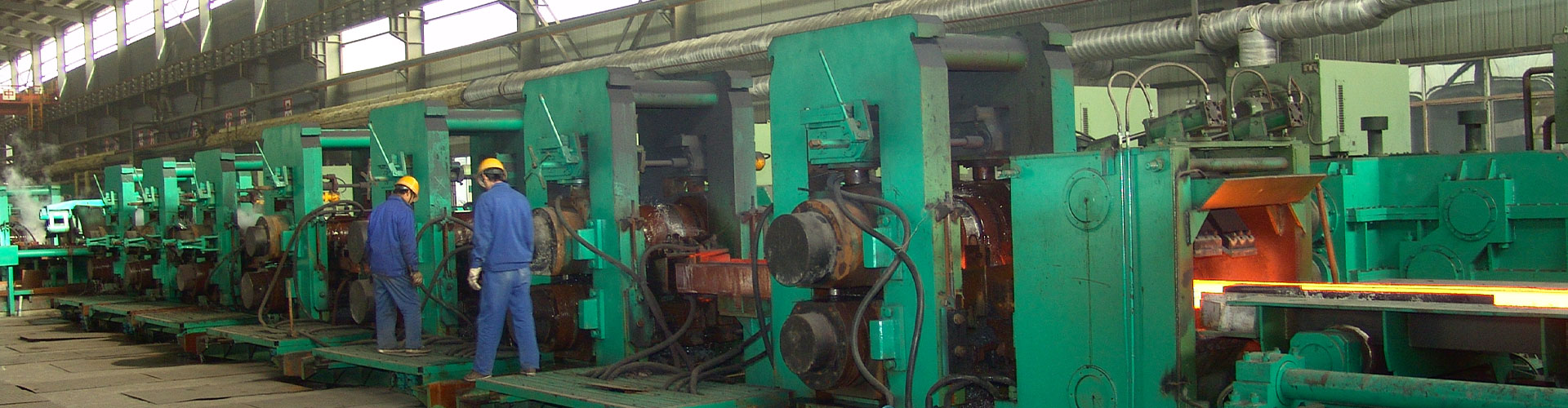
Горячая прокатка и холодная прокатка — два основных процесса формования стальных листов и профилей.. **Горячая и холодная прокатка** напрямую определяют микроструктуру, механические свойства, качество поверхности и конечные эксплуатационные характеристики стальных материалов. Большинство людей различают их только по внешнему виду.. Однако, горячая прокатка по сравнению с холодной прокаткой обеспечивает существенные различия в температуре обработки, внутренняя структура, характеристики производительности и сценарии применения. В этой статье вы найдете полное профессиональное сравнение.
## Горячая прокатка против холодной прокатки: Распространенные стальные изделия в промышленности
В сталелитейной промышленности, горячая прокатка выступает в качестве основного метода обработки. Напротив, Холодная прокатка в основном предназначена для прецизионных тонких листов и профилей небольших размеров со строгими требованиями по размерным допускам.. Ниже приводится краткое описание типичных стальных изделий..
Катанка диаметром от 5,5 мм до 40 мм представляет собой рулонную горячекатаную продукцию.. В холоднотянутые материалы они превращаются только после вторичной обработки холодным волочением.. Большую часть обычной круглой стали получают в результате горячей прокатки.; только сверхточная блестящая круглая сталь использует технологию холодной прокатки. Кроме, угловая сталь, канал сталь, Двутавровая балка и стальная арматура относятся к типичным горячекатаным профилям..
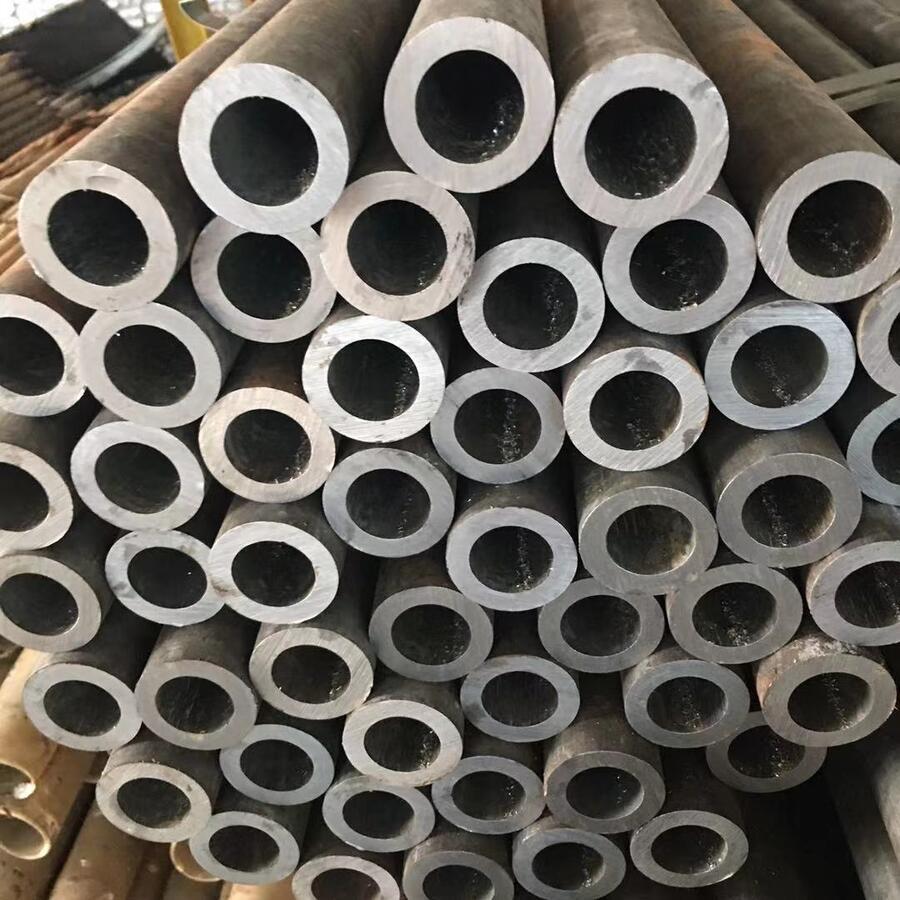
Стальные полосы и стальные пластины существуют как в горячекатаном, так и в холоднокатаном исполнении.. Холоднокатаные полосы имеют меньшую толщину и более высокую точность., в то время как горячекатаный прокат представляет собой в основном листы средней толщины. Для стальных труб, Вы можете найти горячекатаные сварные трубы, а также холоднотянутые трубы, полученные методом холодной прокатки..
>
> Внутренняя ссылка: Если вы хотите узнать больше об оборудовании для производства полосы, read our article about six‑high cold rolling mill introduction.
## Горячая прокатка против холодной прокатки: Core Metallurgical Definitions
The most intuitive distinction for hot rolling vs cold rolling lies in processing temperature. Simply stated, cold rolling runs at room temperature, whereas hot rolling takes place under high‑heat conditions. From a metallurgical standpoint, the real dividing line depends on metal recrystallization temperature.
### What Is Hot Rolling
Hot rolling means deformation finished above the metal recrystallization temperature. For steel, this threshold sits between 450℃ and 600℃. In real‑world factories, steel billets hardly deform at room temperature. Поэтому, workers heat raw billets to 1100℃‑1250℃ for high‑pressure rolling shaping.
### What Is Cold Rolling
Холодная прокатка – это прокатка, осуществляемая при температуре ниже температуры рекристаллизации.. Обычно, производители прессуют и формуют травленые горячекатаные рулоны при температуре окружающей среды. Несмотря на то, что трение и пластическая деформация нагревают стальные листы во время обработки., операция по-прежнему считается холодной прокаткой, пока температура остается ниже предела рекристаллизации..
### Краткая информация о температуре рекристаллизации
Температура рекристаллизации в разных металлах сильно различается.. Например, вольфрам имеет минимальную температуру рекристаллизации около 1200 ℃.. Как результат, деформация при 1100℃ по-прежнему считается холодной обработкой.. Напротив, температура рекристаллизации олова падает до -7℃, поэтому деформация олова при комнатной температуре в металлургии классифицируется как горячая деформация..
## Преимущества и недостатки процесса горячей прокатки
Горячая прокатка при температуре 800℃‑900℃.. После, сталь охлаждается естественным путем на открытом воздухе. Соответственно, горячекатаная сталь получает эффект, аналогичный нормализующей термообработке, привнесение уникальных структурных преимуществ плюс присущие технологическим недостаткам.
### Основные преимущества горячей прокатки
Горячая прокатка полностью разрушает исходные литые конструкции из стальных слитков.. Более того, уменьшает размер зерен и устраняет дефекты микроструктуры. Эта обработка уплотняет сталь и значительно улучшает механические характеристики в направлении прокатки..
Кроме того, Высокая температура и сильное давление прокатки могут загерметизировать внутренние дефекты, возникающие при литье, включая пузыри., трещины и пористость. Следовательно, повышается внутренняя компактность стальных изделий.
### Потенциальные дефекты горячей прокатки
Тем не менее, горячая прокатка выдавливает неметаллические включения, такие как сульфиды, оксиды и силикаты в тонкие листы. Это условие вызывает внутреннее расслоение внутри стали.. Расслоение снижает прочность на растяжение по всей толщине и может вызвать разрывы между слоями во время усадки сварного шва..
Что еще, неодинаковая скорость охлаждения в поперечном сечении профиля создает внутренние остаточные напряжения. Больший размер сечения соответствует более высокому остаточному напряжению.. Даже без внешней силы, самобалансированное остаточное напряжение может ухудшить стабильность деформации компонентов и их противоусталостные характеристики..
## Преимущества и недостатки процесса холодной прокатки
Холодная прокатка использует травленые горячекатаные рулоны в качестве исходного материала и осуществляет непрерывное сжатие при комнатной температуре.. Большая часть холоднокатаного проката в фактическом состоянии представляет собой жесткокатаные рулоны.. После процедуры отжига, Холоднокатаная сталь приобретает исключительную пластичность и относительное удлинение..
### Основные преимущества холодной прокатки
Для начала, Холодная прокатка обеспечивает сверхвысокую точность размеров и хорошие возможности формовки.. Он работает быстро и с большой производительностью, не повреждая покрытия поверхности.. Он может производить разнообразные сложные поперечные сечения для различных требований применения..
В то же время, пластическая деформация при комнатной температуре приводит к заметному наклепу. Этот эффект повышает предел текучести и твердость поверхности., удовлетворение высоких требований к прочности прецизионных компонентов.
### Потенциальные дефекты холодной прокатки
С отрицательной стороны, при холодной прокатке отсутствует высокотемпературное пластическое сжатие. Продольное остаточное напряжение остается внутри поперечных сечений., что ухудшает характеристики защиты от коробления стальных деталей..
Большинство холоднокатаных профилей имеют конструкции открытого сечения с низкой жесткостью при свободном кручении.. Они склонны к скручиванию при изгибающей нагрузке и изгибно-крутильному изгибу при сжатии.. Тем временем, тонкая толщина стенок и неармированные углы приводят к плохой местной устойчивости к сосредоточенным нагрузкам..
## Горячая прокатка против холодной прокатки: Три основных практических различия
При выборе стальных материалов для проектов, горячекатаная сталь и холоднокатаная сталь имеют явные различия в шероховатости поверхности., Диапазон размеров и механическое поведение.
### Внешний вид и качество поверхности
Холоднокатаная сталь подвергается тонкой прокатке и чистовой обработке поверхности на основе горячекатаного основного материала.. Следовательно, он обеспечивает плавность, ровные поверхности без дефектов оксидной накипи.
Горячекатаная сталь делится на травленую и нетравленную категории.. Маринованные горячие пластины имеют естественный металлический блеск.. Нетравленные горячие пластины имеют темные оксидные слои., и они легко ржавеют при хранении во влажной среде с шероховатой текстурой поверхности..
### Толщина и габаритные характеристики
Ограничено пределами процесса, Минимальная толщина горячекатаной полосы обычно достигает всего 1,0 мм.. В сравнении, Холодная прокатка позволяет производить полосы толщиной до 0,1 мм.. По этой причине, Холоднокатаная сталь доминирует в высокоточных отраслях, таких как автомобилестроение., производство бытовой техники и оборудования.
### Механические свойства & Формирование производительности
Благодаря эффектам упрочнения, Холоднокатаная сталь обладает более высоким пределом текучести и поверхностной твердостью по сравнению с горячекатаной сталью той же марки.. Даже после отжига, его общая прочность остается выше.
Хотя их основные механические зазоры остаются умеренными., качество поверхности во многом определяет окончательные результаты формовки. Благодаря плоским поверхностям и стабильному коэффициенту трения, холоднокатаная сталь обеспечивает лучшие эффекты штамповки и растяжения для той же марки стали.
## Выбор применения для горячей и холодной прокатки
Обе технологии обработки обладают своими преимуществами и служат различным промышленным сценариям.. Для обычных деталей инженерных конструкций, их механические различия можно считать незначительными.
Холоднокатаная сталь становится лучшим выбором, когда проекты требуют строгих допусков по размерам., идеальные характеристики окраски или отличные свойства штамповки. Широко применяется для автомобильных панелей., корпуса прибора, прецизионное оборудование, а также подложка для оцинкованной и окрашенной стали.
С другой стороны, горячекатаная сталь отличается высокой экономической эффективностью и хорошей общей жесткостью.. Подходит для конструктивных элементов, выдерживающих большие нагрузки., плиты средней толщины и стальные каркасы зданий, служит основным материалом для строительства и тяжелой промышленности..
>
> Внутренняя ссылка: Вы также можете ознакомиться с нашей статьей о технологии производства холоднокатаной стальной полосы для получения дополнительных знаний по обработке..
## Заключение
Подводить итоги, Основной стандарт **горячей прокатки по сравнению с холодной прокаткой** зависит от температуры относительно температуры рекристаллизации металла.. Горячая прокатка оптимизирует внутреннюю микроструктуру за счет высокотемпературной деформации и подходит для массового производства крупногабаритных изделий.. Холодная прокатка использует нагартование и чистовую обработку поверхности для изготовления высокоточных изделий тонкой толщины..
Выбирайте горячекатаный или холоднокатаный прокат в соответствии с фактическими требованиями к продукции.. Правильный выбор материала уравновешивает производственные затраты., точность размеров и срок службы для сталеобрабатывающего производства.