تعمل معظم مصانع الدرفلة الباردة الترادفية التقليدية في وضع الدفعة ذات الملف الواحد. يقوم المشغلون بتغذية ملف فولاذي واحد في كل مرة من خلال منصات دوارة متعددة. لا يمكن لهذا الإعداد تقديم إنتاج مستمر حقًا.
يؤدي تدوير الدُفعات إلى إنشاء مراحل انتقالية غير مستقرة. وتشمل هذه المراحل خيوط الشريط, إسقاط الذيل, تحولات السرعة والتباطؤ في طبقات اللحام. إنها تسبب أخطاء في الأبعاد على الشريط المدلفن على البارد وتقلل من كفاءة عمل المطحنة.
تعمل مصانع الدرفلة الباردة المستمرة الكاملة على حل نقاط الضعف هذه في الدرفلة المفردة المتقطعة. لقد سمحوا بتشغيل الشريط الفولاذي دون توقف من أجل إنتاج مستقر بكميات كبيرة.
## 1. تكوين المعدات
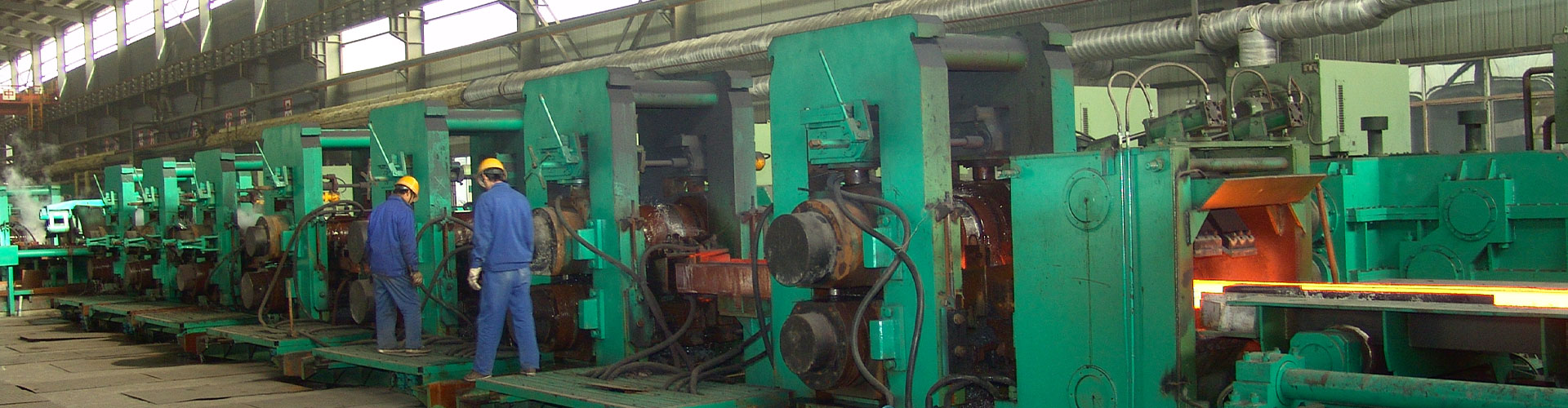
يستخدم خط الإنتاج النموذجي مطحنة باردة مستمرة كاملة بخمسة منصات. يرسل العمال لفائف الفولاذ الخام إلى ماكينة تفكيك اللفائف بعد تخليل حمض الهيدروكلوريك عالي السرعة.
يقوم الخط بتسوية رأس الشريط وتقليم نهاية الشريط. تقوم ماكينة اللحام الوميضي عالية السرعة بربط ذيل ملف واحد برأس الملف التالي.
الخط يناسب مستودع تخزين الحلقة. تقوم هذه الوحدة بتخزين شريط إضافي للحفاظ على تشغيل المطحنة بسرعة ثابتة أثناء لحام الملف.
توجد أجهزة كشف اللحام عند مدخل ومخرج مستودع الحلقة. يكتشفون تغيرات السُمك حول اللحامات. ترسل أجهزة الكشف إشارات إلى كمبيوتر التحكم. يقوم الكمبيوتر بضبط معلمات التدحرج للحفاظ على جودة المنتج المستقرة.
## 2. عملية العمل
تقوم المطحنة بتركيب أسطوانة قرصية ومقص طائر متقاطع دوار بين الحامل الخامس وبكرتي شد.
تحافظ أسطوانة القرص على شد أمامي ثابت للحامل النهائي أثناء قطع الشريط وتبديل البكرة. يبقى بعيدًا عن الشريط في ظل ظروف التدحرج العادية.
يقوم القص الطائر الدوار بقطع الشريط لتقسيم الملفات. يتناوب اثنان من بكرات التوتر على شريط الرياح, حتى يتمكن الخط من تغيير الملفات دون توقف.
تحافظ هذه المطحنة على الشريط داخل الماكينة أثناء تغيير اللفة. تبدأ الفرق في التدحرج مباشرة بعد الانتهاء من استبدال اللفة, دون اغلاق الخط الكامل.
## 3. المزايا الأساسية لطاحونة الدرفلة الباردة المستمرة الكاملة
### 3.1 تعزيز الاستفادة من وقت العمل
يؤدي التدحرج المستمر الكامل إلى إزالة ضياع الوقت من الخيوط المتكررة وسقوط الذيل. إنه يقلل من تردد تغيير اللفة ويقلل من وقت التسارع والتباطؤ.
تعمل المطحنة بسرعة عالية ومستقرة بعد بدء التشغيل. يقوم المشغلون بإبطائها إلى 5-10 م / ث فقط لتغييرات مواصفات المنتج أو قطع القص الطائر. يعمل هذا الإعداد على زيادة وقت الإنتاج الفعال إلى الحد الأقصى.
### 3.2 رفع إنتاجية المنتج النهائي
غالبًا ما يؤدي دحرجة الدفعات إلى إنشاء سماكة خارج المواصفات وتقليص النفايات عند رؤوس الملفات وذيولها. المتداول المستمر يتجنب هذه التقلبات في السُمك. إنه يقطع الخردة ويحسن إنتاجية شريط الفولاذ المدلفن على البارد.
### 3.3 تحسين شروط خدمة رول
غالبًا ما يؤدي التدحرج المتقطع إلى إتلاف أسطح اللف. طي الشريط أثناء الخيط والتأثير أثناء سقوط الذيل يخلق عيوبًا في السطح. تؤدي التغييرات المتكررة في السرعة أيضًا إلى تسريع تآكل اللفة.
المتداول المستمر يستقر في حالة المتداول. فهو يقلل من التأثير والتآكل على اللفات. تقوم الفرق بتغيير القوائم بشكل أقل. إنهم يقضون وقتًا أقل في طحن اللفائف وإدارة التخزين, وتتحسن جودة سطح الشريط.
### 3.4 تقليل الطلب على العمالة
تعتمد مصانع الدرفلة الباردة المستمرة الكاملة على التحكم الآلي بالكمبيوتر. لا يحتاج المشغلون إلى خيوط يدوية, إسقاط الذيل أو ضبط المعلمة يدويًا.
يقوم نظام التحكم بمراقبة وضبط تدفق الإنتاج بالكامل تلقائيًا. يحتاج المصنع إلى عدد أقل من العمال في الموقع ويحقق تدحرجًا ذكيًا موفرًا للعمالة.