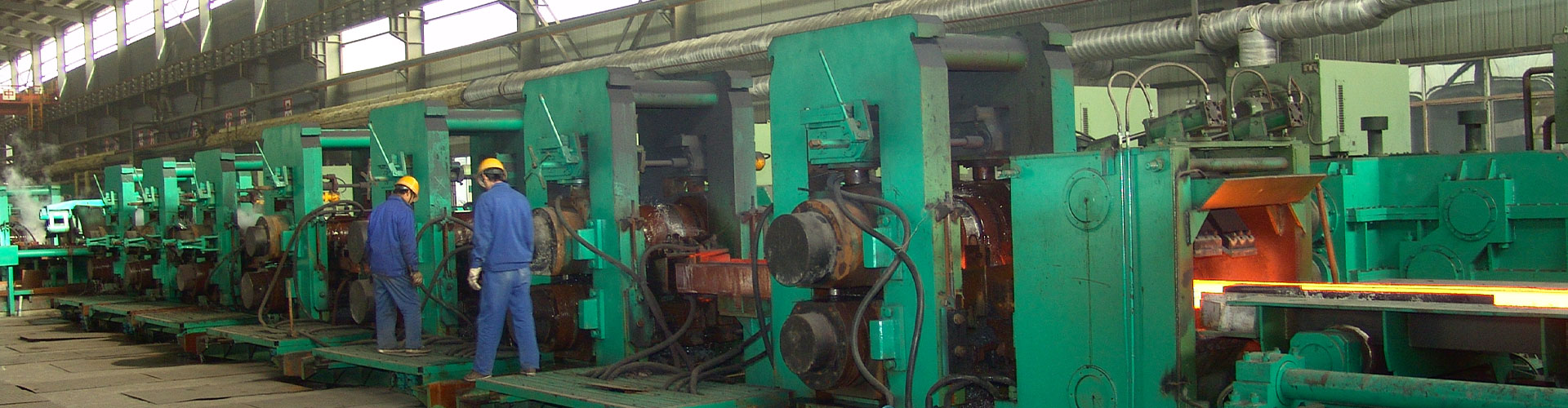
الدرفلة على الساخن والدرفلة على البارد هما عمليتان أساسيتان لتشكيل الألواح والمقاطع الفولاذية. **الدرفلة على الساخن مقابل الدرفلة على البارد** تحدد بشكل مباشر البنية المجهرية, الخصائص الميكانيكية, جودة السطح وأداء الخدمة النهائية للمواد الفولاذية. معظم الناس يميزونهم عن بعضهم البعض فقط من خلال المظهر السطحي. لكن, يوفر الدرفلة على الساخن مقابل الدرفلة على البارد فجوات أساسية في درجة حرارة المعالجة, الهيكل الداخلي, خصائص الأداء وسيناريوهات التطبيق. تمنحك هذه المقالة مقارنة احترافية كاملة.
## الدرفلة على الساخن مقابل الدرفلة على البارد: منتجات الصلب المشتركة في الصناعة
في صناعة الصلب, تعمل الدرفلة على الساخن كطريقة معالجة رئيسية. على العكس تماما, يخدم الدرفلة على البارد بشكل أساسي الألواح الرفيعة الدقيقة والمقاطع الصغيرة الحجم مع متطلبات صارمة لتحمل الأبعاد. وفيما يلي ملخص لمنتجات الصلب النموذجية.
القضبان السلكية التي يتراوح قطرها من 5.5 مم إلى 40 مم كلها عبارة عن سلع ملفوفة مدرفلة على الساخن. ولا تتحول إلى مواد مسحوبة على البارد إلا بعد إجراء عملية سحب ثانوية على البارد. معظم الفولاذ المستدير العادي يأتي من الدرفلة على الساخن; فقط الفولاذ المستدير اللامع فائق الدقة يستخدم تقنية الدرفلة على البارد. بجانب, زاوية الصلب, قناة الصلب, تنتمي عوارض H وقضبان التسليح الفولاذية إلى المقاطع النموذجية المدلفنة على الساخن.
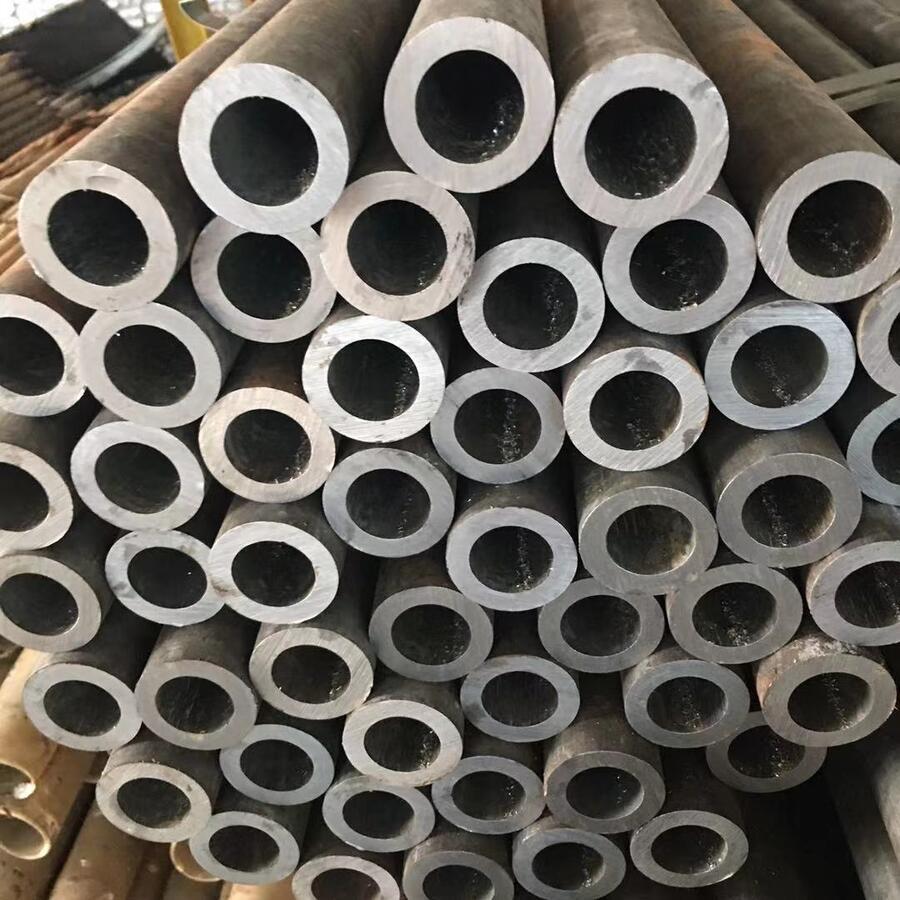
توجد شرائح الصلب والألواح الفولاذية في كل من الإصدارات المدرفلة على الساخن والمدرفلة على البارد. تتميز الشرائط المدرفلة على البارد بمقاييس أرق ودقة أعلى, في حين أن البضائع المدرفلة على الساخن تكون في الغالب عبارة عن صفائح متوسطة السُمك. للأنابيب الفولاذية, يمكنك العثور على الأنابيب الملحومة المدرفلة على الساخن بالإضافة إلى الأنابيب المسحوبة على البارد المشتقة من الدرفلة على البارد.
>
> الرابط الداخلي: إذا كنت تريد معرفة المزيد عن معدات إنتاج الشريط, اقرأ مقالتنا حول مقدمة مطحنة الدرفلة الباردة ذات الستة ارتفاعات.
## الدرفلة على الساخن مقابل الدرفلة على البارد: التعاريف المعدنية الأساسية
يكمن التمييز الأكثر سهولة بين الدرفلة على الساخن والدرفلة على البارد في درجة حرارة المعالجة. ذكر ببساطة, يتم تشغيل الدرفلة الباردة في درجة حرارة الغرفة, في حين أن الدرفلة على الساخن تتم في ظل ظروف الحرارة العالية. من الناحية المعدنية, يعتمد الخط الفاصل الحقيقي على درجة حرارة إعادة بلورة المعدن.
### ما هو المتداول الساخن
الدرفلة على الساخن تعني التشوه النهائي فوق درجة حرارة إعادة بلورة المعدن. للصلب, تقع هذه العتبة بين 450 درجة مئوية و600 درجة مئوية. في مصانع العالم الحقيقي, بالكاد تتشوه قضبان الصلب في درجة حرارة الغرفة. لذلك, يقوم العمال بتسخين الخام الخام إلى 1100 درجة مئوية - 1250 درجة مئوية لتشكيل الدرفلة بالضغط العالي.
### ما هو المتداول البارد
يشير الدرفلة على البارد إلى الدرفلة التي تتم تحت درجة حرارة إعادة البلورة. عادة, يقوم المصنعون بضغط وتشكيل اللفائف المخللة المدرفلة على الساخن تحت درجة الحرارة المحيطة. على الرغم من أن الاحتكاك وتشوه البلاستيك يؤدي إلى تسخين صفائح الفولاذ أثناء المعالجة, لا تزال العملية تعتبر بمثابة دحرجة على البارد طالما ظلت درجة الحرارة أقل من حد إعادة البلورة.
### حقائق سريعة عن درجة حرارة إعادة البلورة
تختلف درجة حرارة إعادة التبلور بشكل كبير بين المعادن المختلفة. على سبيل المثال, التنغستن لديه الحد الأدنى من درجة حرارة إعادة التبلور بالقرب من 1200 درجة مئوية. نتيجة ل, لا يزال التشوه عند 1100 درجة مئوية يعتبر عملاً باردًا. على النقيض من ذلك, تنخفض درجة حرارة إعادة تبلور القصدير إلى -7 درجة مئوية, لذلك يتم تصنيف تشوه القصدير في درجة حرارة الغرفة على أنه تشوه ساخن في علم المعادن.
## مزايا وعيوب عملية الدرفلة على الساخن
تنتهي عملية الدرفلة على الساخن عند درجة حرارة 800 درجة مئوية إلى 900 درجة مئوية. بعد ذلك, يبرد الفولاذ بشكل طبيعي في الهواء الطلق. وفقاً لذلك, يتلقى الفولاذ المدلفن على الساخن تأثيرًا مشابهًا للمعالجة الحرارية الطبيعية, جلب نقاط القوة الهيكلية الفريدة بالإضافة إلى أوجه القصور الكامنة في العملية.
### المزايا الأساسية للدلفنة على الساخن
يؤدي الدرفلة على الساخن إلى تدمير الهياكل المصبوبة الأصلية بالكامل من سبائك الفولاذ. علاوة على ذلك, فهو ينقي حجم الحبوب ويزيل عيوب البنية الدقيقة. تعمل هذه المعالجة على تكثيف الفولاذ وتحسين الأداء الميكانيكي بشكل كبير على طول اتجاه التدحرج.
فضلاً عن ذلك, يمكن أن تؤدي درجة الحرارة المرتفعة بالإضافة إلى ضغط التدحرج الثقيل إلى سد العيوب الداخلية الناتجة عن الصب بما في ذلك الفقاعات, الشقوق والمسامية. بالتالي, يتم تعزيز الاكتناز الداخلي لمنتجات الصلب.
### العيوب المحتملة للدلفنة على الساخن
مع ذلك, الدرفلة على الساخن تضغط على الشوائب غير المعدنية مثل الكبريتيدات, الأكاسيد والسيليكات إلى صفائح رقيقة. تؤدي هذه الحالة إلى التصفيح الداخلي داخل الفولاذ. يؤدي التصفيح إلى إضعاف قدرة الشد من خلال السُمك وقد يتسبب في تمزق الطبقات البينية أثناء انكماش اللحام.
ما هو أكثر من ذلك, تؤدي سرعة التبريد غير المتسقة عبر المقاطع العرضية للملف إلى خلق إجهاد داخلي متبقي. تتوافق أحجام الأقسام الأكبر مع الضغط المتبقي العالي. حتى بدون قوة خارجية, قد يؤدي الإجهاد المتبقي المتوازن ذاتيًا إلى الإضرار باستقرار تشوه المكونات والأداء المضاد للتعب.
## مزايا وعيوب عملية الدرفلة على البارد
تستخدم عملية الدرفلة على البارد لفائف مخللة مدرفلة على الساخن كمواد أولية وتقوم بضغط مستمر في درجة حرارة الغرفة. معظم السلع المدرفلة على البارد التي يتم إنتاجها هي عبارة عن لفائف مدرفلة بقوة. بعد إجراءات الصلب, يكتسب الفولاذ المدلفن على البارد مرونة واستطالة متميزة.
### المزايا الأساسية للدلفنة على البارد
لتبدأ, يوفر الدرفلة على البارد دقة أبعاد عالية جدًا وقدرة تشكيل مناسبة. إنه يعمل بسرعة مع مخرجات كبيرة دون الإضرار بالطبقات السطحية. يمكنها إنتاج مقاطع عرضية معقدة متنوعة لمتطلبات التطبيقات المتنوعة.
في نفس الوقت, يؤدي تشوه البلاستيك في درجة حرارة الغرفة إلى تصلب واضح للعمل. هذا التأثير يزيد من قوة الخضوع وصلابة السطح, تلبية متطلبات القوة العالية للمكونات الدقيقة.
### العيوب المحتملة للدرفلة على البارد
على الجانب السلبي, يفتقر الدرفلة على البارد إلى ضغط البلاستيك عالي الحرارة. يبقى الإجهاد الطولي المتبقي ضمن المقاطع العرضية, مما يضعف أداء مقاومة الإبزيم للأجزاء الفولاذية.
تعتمد معظم المقاطع المدرفلة على البارد تصميمات ذات قسم مفتوح مع صلابة التوائية حرة منخفضة. إنها تميل إلى الالتواء تحت حمل الانحناء وتعاني من التواء الانحناء والالتواء تحت الضغط. في أثناء, تؤدي سماكة الجدار الرقيقة والزوايا غير المقواة إلى ضعف القدرة المحلية على تحمل الأحمال المركزة.
## الدرفلة على الساخن مقابل الدرفلة على البارد: ثلاثة اختلافات عملية رئيسية
عند اختيار المواد الفولاذية للمشاريع, يُظهر الفولاذ المدلفن على الساخن والفولاذ المدلفن على البارد فجوات واضحة في تشطيب السطح, نطاق البعد والسلوكيات الميكانيكية.
### مظهر السطح وجودة السطح
يتلقى الفولاذ المدرفل على البارد تشطيبًا ناعمًا وسطحًا يعتمد على المواد الأساسية المدرفلة على الساخن. وبالتالي فإنه يسلم على نحو سلس, حتى الأسطح خالية من عيوب مقياس الأكسيد.
ينقسم الفولاذ المدلفن على الساخن إلى فئتين مخلل وغير مخلل. تظهر الأطباق الساخنة المخللة بريقًا معدنيًا طبيعيًا. تحمل الألواح الساخنة غير المخللة طبقات أكسيد داكنة, وتصاب بالصدأ بسهولة تحت التخزين الرطب مع ملمس سطحي خشن.
### سمك ومواصفات الأبعاد
مقيدة بحدود العملية, يصل الحد الأدنى لسمك الشريط المدلفن على الساخن بشكل عام إلى 1.0 مم فقط. بالمقارنة, يمكن أن ينتج الدرفلة على البارد شريطًا رفيعًا يصل إلى 0.1 مم. لهذا السبب, ويهيمن الفولاذ المدرفل على البارد على القطاعات عالية الدقة مثل السيارات, تصنيع الأجهزة المنزلية والأجهزة.
### الخواص الميكانيكية & تشكيل الأداء
بسبب آثار تصلب العمل, يتمتع الفولاذ المدلفن على البارد بقوة إنتاجية أعلى وصلابة سطحية مقارنة بالفولاذ المدلفن على الساخن من نفس الدرجة. حتى بعد الصلب, قوتها الإجمالية تبقى أعلى.
على الرغم من أن فجواتها الميكانيكية الأساسية تظل معتدلة, جودة السطح تقرر إلى حد كبير نتائج التشكيل النهائية. بفضل الأسطح المسطحة ومعامل الاحتكاك المستقر, يحقق الفولاذ المدلفن على البارد تأثيرات ختم وتمديد أفضل لنفس درجة الفولاذ.
## اختيار التطبيق للدرفلة على الساخن مقابل الدرفلة على البارد
تمتلك كل من تقنيات المعالجة مزاياها الخاصة وتخدم سيناريوهات صناعية متميزة. للأجزاء الهيكلية الهندسية العادية, يمكن اعتبار الاختلافات الميكانيكية بينهما غير ذات أهمية.
يصبح الفولاذ المدرفل على البارد خيارك الأفضل عندما تتطلب المشاريع تسامحًا صارمًا مع الأبعاد, أداء طلاء مثالي أو خاصية ختم ممتازة. يتم تطبيقه على نطاق واسع لألواح السيارات, قذائف الأجهزة, الأجهزة الدقيقة, بالإضافة إلى الركيزة للفولاذ المجلفن والمطلي بالألوان.
على الجانب الآخر, يتميز الفولاذ المدلفن على الساخن بكفاءة عالية من حيث التكلفة وصلابة متكاملة جيدة. يناسب المكونات الهيكلية ذات التحميل الثقيل, ألواح متوسطة السُمك وإطارات فولاذية للبناء, بمثابة المواد الرئيسية للبناء ومجالات الصناعة الثقيلة.
>
> الرابط الداخلي: يمكنك أيضًا مراجعة مقالتنا حول تكنولوجيا إنتاج شرائح الصلب المدرفلة على البارد لمزيد من المعرفة بالمعالجة.
## خاتمة
لتلخيص, يعتمد المعيار الأساسي **للدرفلة على الساخن مقابل الدرفلة على البارد** على درجة الحرارة المتعلقة بدرجة حرارة إعادة بلورة المعدن. تعمل الدرفلة على الساخن على تحسين البنية المجهرية الداخلية من خلال التشوه الناتج عن درجات الحرارة العالية وتناسب الإنتاج الضخم بكميات كبيرة. تعمل الدرفلة على البارد على زيادة تصلب العمل والتشطيب الدقيق للأسطح لتحقيق منتجات رفيعة عالية الدقة.
يجب عليك اختيار الفولاذ المدلفن على الساخن أو المدلفن على البارد وفقًا لمتطلبات المنتج الفعلية. الاختيار الصحيح للمواد يوازن تكلفة التصنيع, دقة الأبعاد وعمر الخدمة لإنتاج معالجة الفولاذ.